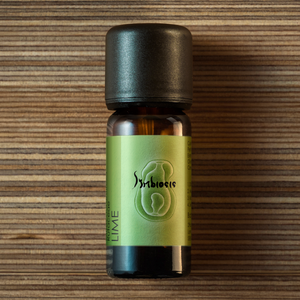


Bergamot FCF | Citrus bergamia 10mL
£11.00
Size: 10ML
Country of origin: ITALY
Botanical family: RUTACEAE
Extraction from: FRUIT PEEL
Extraction method: COLD PRESSED
Note: TOP
Blends well with:
Lavender — Softens the citrus brightness with herbal calm, creating the classic Earl Grey pairing. The blend becomes more about gentle morning rituals than social brightness—tea, journaling, easing into the day. → Restoration
Geranium — Amplifies the floral-green quality into something more garden-like and nurturing. The blend becomes about tending—to plants, to relationships, to the small acts that make a house feel cared for. → Kinship
Ylang Ylang — Deepens the floral into something more sensual and evening-appropriate. The blend loses some brightness but gains intimacy, becoming about connection rather than clarity. → Intimacy
Frankincense — Grounds the airy citrus with resinous depth, adding contemplation without losing lightness. The blend becomes more ceremonial, about intention rather than just pleasantness. → Restoration
Shelf life: Keep in a cool, dark place in a tightly sealed amber/black bottle. 1-2 years
Precautions: Dilute as needed for skin.
Bright, citrusy, and effortlessly sophisticated—like the best parts of lemon and orange combined, but with a floral complexity that makes it more than just "citrus."
The opening is sparkling and uplifting, with that characteristic bergamot sweetness that's both tart and round, almost like Meyer lemon crossed with neroli. There's a green, slightly bitter edge underneath that keeps it from being candy-sweet—the smell of citrus peel rather than juice, with hints of the white pith and leaves still attached.
As it develops, you notice the floral heart: a whisper of orange blossom, something delicate and tea-like, the scent that makes Earl Grey recognizable even before you taste it.
The FCF (furanocourmarin-free) version is cleaner and slightly less complex than the standard bergamot, missing some of the deeper, almost spicy-resinous undertones, but it's still unmistakably bergamot—just a touch more transparent, more purely citrus-floral. It has an airiness to it, a lightness that lifts without being sharp, brightens without being aggressive. The scent doesn't linger heavily; it clarifies the air and then steps back, leaving everything feeling fresher, more open.
Bergamot is the person who walks into a room and everything feels a little lighter—not because they're performing brightness, but because they're genuinely present and attentive. They notice things: the light through the window, the way you're holding your shoulders, the fact that no one's asked you how you actually are in weeks. They redirect attention toward what's good without dismissing what's hard.
Conversation with them is effortless; they ask questions that make you think but never interrogate, and they have a way of making even difficult topics feel approachable. There's sophistication without pretense—they're well-read and well-traveled, but they wear it lightly.
They're equally comfortable at a dinner party or a quiet afternoon alone with a book. They have taste, but they're not precious about it. You leave their company feeling more like yourself but somehow more refined, like they reminded you that grace and ease aren't incompatible with depth.
Color: Pale yellow-green like sunlight through citrus leaves, with flashes of soft gold and white. The color of morning light in a conservatory, champagne in a crystal glass, early daffodils against white linen.
Texture: Crisp cotton sheets that have been line-dried in spring air, the slight resistance of citrus peel before it yields under your thumb, cool porcelain that's been glazed to a smooth matte finish. Clean without being clinical.
Architecture & Interiors: Georgian and Regency orangeries and conservatories (1700s-1820s)—elegant glass structures designed to bring light and cultivation into aristocratic homes. Think the Palm House at Kew Gardens (London, 1844-48), the Orangery at Kensington Palace, or Jane Austen-era garden rooms.
Architecture: Large windows or glass walls maximizing natural light, high ceilings with classical proportions, white or pale painted woodwork, tiled or stone floors that stay cool, iron-and-glass construction that feels both substantial and airy.
Interiors: Potted citrus trees in white ceramic or lead planters, wrought-iron furniture painted white or verdigris green, minimal fabric (linen cushions at most), marble or limestone surfaces, space designed for morning light and afternoon tea. Rooms that blur the boundary between inside and outside, where cultivation and conversation happen simultaneously, where refinement doesn't mean stuffiness.
Sound: Teacups being placed gently on saucers, the rustle of newspaper pages, quiet conversation with actual pauses for thought. String quartet music played at a volume that enhances rather than dominates—Vivaldi or early Mozart. The sound of a fountain just outside the window, water on stone.
Bergamot makes a space feel civilized in the best sense—cultivated without being stuffy, refined without being cold. It's the scent of a room where good conversations happen, where breakfast feels like an occasion worth sitting down for, where you take the time to arrange flowers properly rather than just shoving them in a vase.
Some people use it in dining rooms where meals should feel like more than fuel, in morning spaces where the transition into the day deserves attention, in sitting rooms where guests should feel welcomed but not overwhelmed. It doesn't demand or push; it invites. It creates an atmosphere where people naturally sit up a little straighter, speak a little more thoughtfully, pay attention to the quality of things.
For those building a Kinship bond with their home, Bergamot creates the sense that this space is ready to hold gatherings with grace—not formal entertaining, but genuine hospitality where people feel both comfortable and valued.
For others, it supports Stimulation in a gentle way—not a jolt of energy but a lift into clarity, like opening curtains to let in morning light rather than flipping on fluorescent bulbs.
Remarks: The information provided on this website is for educational purposes only and may not be entirely accurate or complete. It is not intended to diagnose, treat, cure, or prevent any disease. Please note that the photos of the plants are intended to represent the typical appearance of each plant, but may vary based on location, growing conditions, and time of year. We recommend consulting with a healthcare professional before using any essential oils if you are pregnant or breastfeeding, or have any underlying health issues.