
Chamomile German
Chamomile German: bitter-green, ink-dark, and dried-straw sweet: the chamomile that turns its sweetness inward.
Emotional Qualities:
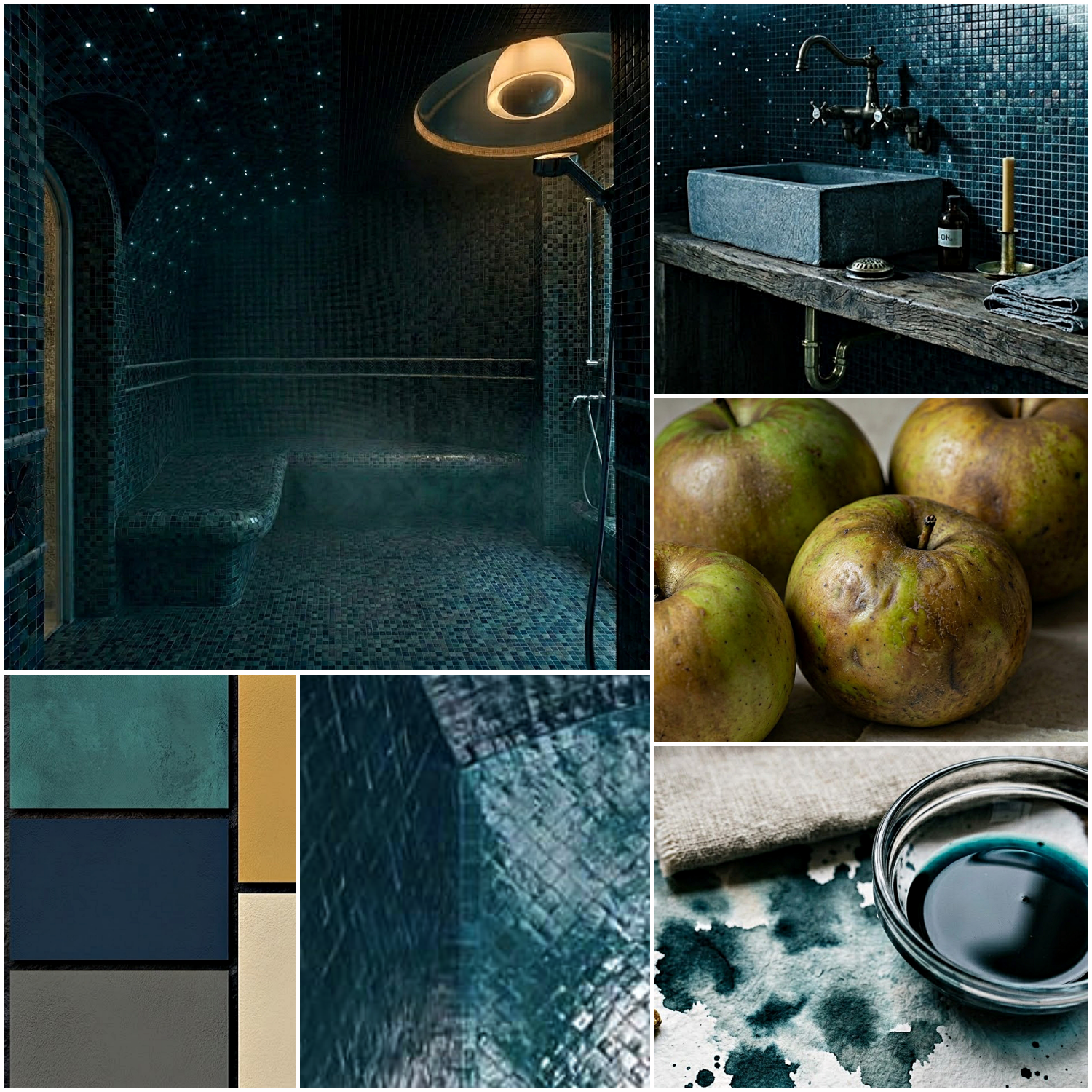
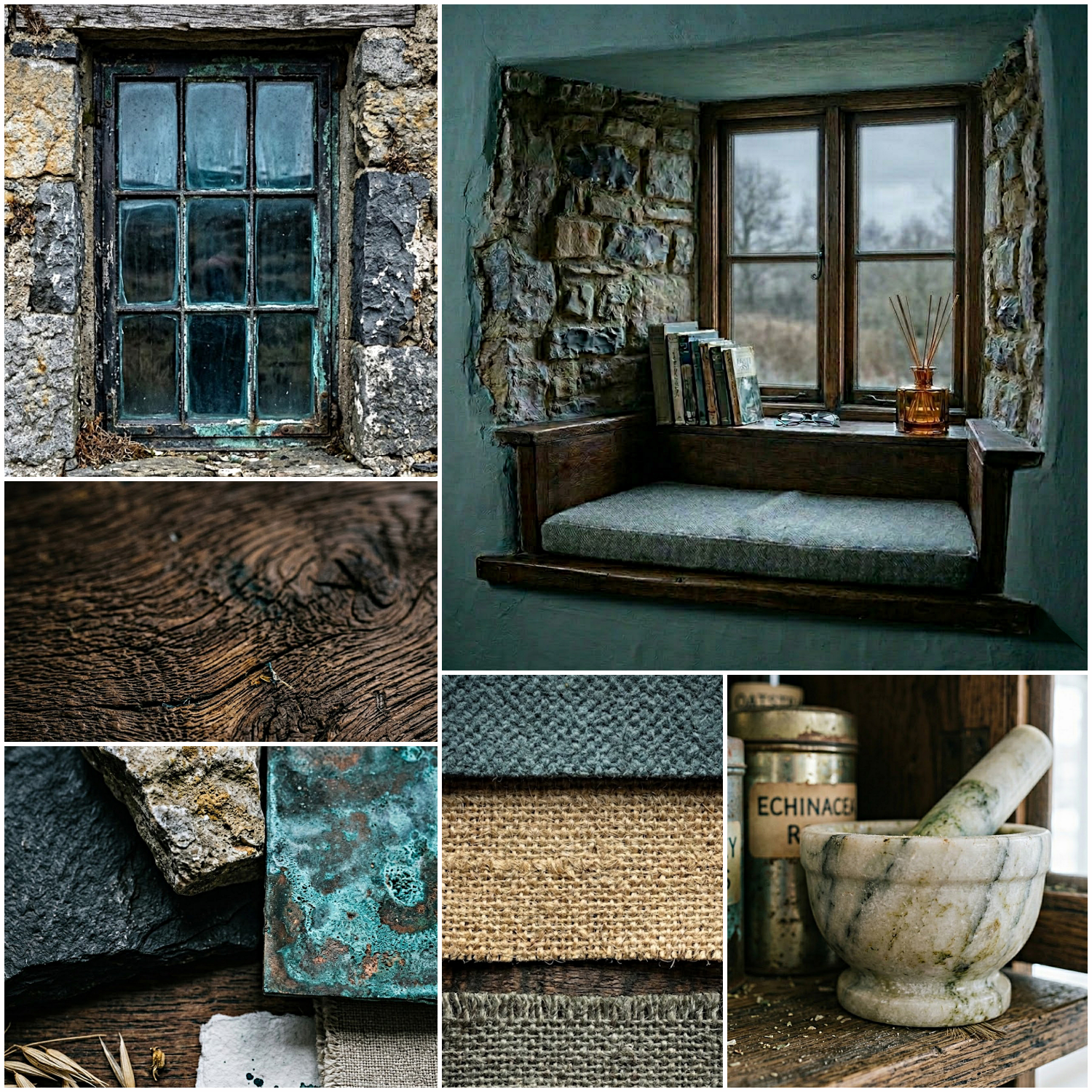
Chamomile German darkens the air of a room rather than brightening it. The character is bitter-green and inky, the smell of dried herbs kept for serious use, with an old apple sweetness fermenting somewhere underneath. It does not make a room cheerful; it makes a room honest, the way an apothecary shelf or a stone-floored bathroom carries the trace of work that matters. Some people find it suits the long evening after a difficult conversation, the bathroom corner during a slow recovery, the reading nook where something unfinished is being thought through rather than tidied away. The scent stays in the climate of a room that knows how to sit with difficulty instead of one that hurries it along.
Comparison with Similar Scents:
Chamomile German vs. Chamomile Roman
Chamomile Roman is the lighter cousin: a clear, fruity apple-sweetness, fresh and quick, bright enough to read as cheerful. Chamomile German shares the apple but turns it inward, fermenting it into something darker and more medicinal, an inky-bitter weight that does not lift. Chamomile Roman brightens the air of a room; chamomile german darkens it and keeps it there. If roman is the orchard in the morning, german is the same fruit gone over in the bowl by the window.
Chamomile German vs. Immortelle
Immortelle is the warmer of the two: the dried-hay note turned honeyed, tea-like, faintly of curry and maple, a sweetness that fills out rather than cuts. Chamomile German shares the dried straw and the fermented depth but takes them somewhere bitter and inky instead of sweet, the same preserved quality with the honey stripped out. Where immortelle warms the air of a room, chamomile german cools and darkens it. If immortelle is the hay barn in late summer, chamomile german is the herb store with the door kept shut.