

Marjoram sweet | Origanum majorana 10mL
£13.00
Size: 10mL
Country of origin: EGYPT
Botanical family: LAMIACEAE
Extracted from: LEAVES & FLOWERS
Extration method: STEAM DISTILLATION
Note: MIDDLE
Blends well with:
Lavender — Combines two gentle herbs into something even more soothing and sleep-appropriate. The blend becomes about deep rest and permission to stop. → Restoration
Bergamot — Lifts the earthy herb with citrus brightness, making it more uplifting while keeping its comforting quality. The blend becomes lighter but still nurturing. → Restoration
Chamomile Roman — Deepens the herbal gentleness into something overtly about comfort and care. The blend becomes even more maternal, more about being looked after. → Restoration
Frankincense — Adds resinous depth that makes the simple care feel more intentional and sacred. The blend becomes about tending as ritual rather than routine. → Intimacy
Shelf life: Keep in a cool, dark place in a tightly sealed amber/black bottle. 2-3 years
Precautions: Avoid during pregnancy; may promote relaxation.
Soft, herbaceous, and warmly comforting—like oregano's gentler, sweeter cousin, with less sharpness and more roundness. The opening is green and slightly camphoraceous, but subdued, with a woody-herbal quality that's warming without being spicy. There's a subtle sweetness underneath, hints of nutmeg and cardamom, something almost tea-like that makes it feel more nurturing than medicinal.
As it develops, you notice a peppery warmth and faint floral notes, with an earthy base that grounds all that herbaceous softness. The scent is comforting in an old-fashioned way, like the smell of a well-used kitchen where herbs are part of daily cooking, like grandmother's remedy for whatever ails you—not dramatic or powerful, just steady and reliable.
It doesn't announce itself loudly; it settles in quietly, creating warmth that's felt more than noticed. There's a simplicity to it, an honesty—it smells like care expressed through basic, proven means rather than through anything exotic or complicated.
Marjoram Sweet is the person who offers comfort through quiet presence and practical care rather than through words or grand gestures. They're the friend who shows up with soup when you're sick, who sits beside you without needing conversation, who makes sure you're warm enough and have eaten.
There's a maternal quality to them that has nothing to do with gender and everything to do with the way they tend to others—not hovering or fussing, just quietly ensuring basic needs are met. They're not dramatic about their care; they simply do what needs doing without expecting recognition or gratitude.
Conversation with them is often minimal—they're more comfortable with companionable silence than with processing feelings aloud. You leave their company feeling steadier, like someone just reminded you that sometimes the most important thing is simply being looked after in basic, tangible ways.
Color: Soft grey-green with warm brown undertones, like dried marjoram leaves or sage that's faded from bright to muted. Dusty olive, pale khaki, the warm grey of river stones—colors that are restful rather than vibrant.
Texture: The slight fuzziness of herb leaves, the warmth of a hot water bottle through flannel, wool that's been washed soft. Enveloping, gentle, slightly coarse but in a comforting way—texture that feels like being wrapped rather than touched.
Architecture & Interiors: English country cottage kitchens and farmhouse sick rooms (1700s-1900s)—practical domestic spaces where herbs were medicine and comfort came through warmth, rest, and simple care. Think stone cottages with low ceilings, farmhouse bedrooms with small fireplaces, or servants' halls in country estates.
Architecture: Thick walls for insulation, small windows with deep sills (often with pots of herbs), low ceilings that trap warmth, stone or brick floors at ground level, wooden floors above, open hearths or simple fireplaces in most rooms.
Interiors: Simple wooden furniture darkened by age and smoke, wool blankets and quilts for warmth, herbs hanging in bunches from rafters or stored in ceramic jars, hot water bottles wrapped in flannel, chamber pots under beds, minimal decoration because everything serves a function.
Spaces designed around the reality of cold, illness, and the need for basic comfort—where healing happened through warmth, rest, herbal remedies, and time rather than through medical intervention, where sick people were tended at home rather than sent elsewhere.
Sound: Water being poured from a kettle into a ceramic teapot, the creak of floorboards as someone checks on you in the night, the rustle of blankets being tucked in. The crackle of a fire, the clink of a spoon stirring honey into tea, mostly silence because rest is the goal.
Marjoram Sweet makes a space feel like you're being quietly looked after—not watched or monitored, but tended to with simple, steady care. It's the scent of a bedroom when you're actually unwell and need rest rather than just sleep, a kitchen where someone is making something warming and simple because you need to eat, a bathroom where evening routines are about winding down rather than maintaining appearance.
Some people use it when they need permission to be vulnerable, when strength has been required for too long and gentleness is what's needed, when the goal is simply to be warm and safe and allowed to rest. It doesn't stimulate or transform; it holds. It creates an atmosphere where it's okay to be tired, okay to need care, okay to let someone else (or your space itself) do the work of maintaining you for a while.
For those building a Restoration bond with their home, Marjoram Sweet creates the sense that this space will care for you in the most basic ways—warmth, quiet, the feeling of being tucked in—without requiring you to perform recovery or prove you're trying hard enough.
For others, it supports Intimacy by making vulnerability feel safe: the kind of space where you can be sick or sad or simply depleted without needing to hide it or apologize for it.
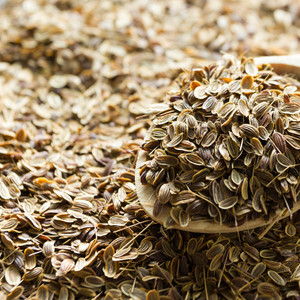
Remarks: The information provided on this website is for educational purposes only and may not be entirely accurate or complete. It is not intended to diagnose, treat, cure, or prevent any disease. Please note that the photos of the plants are intended to represent the typical appearance of each plant, but may vary based on location, growing conditions, and time of year. We recommend consulting with a healthcare professional before using any essential oils if you are pregnant or breastfeeding, or have any underlying health issues.