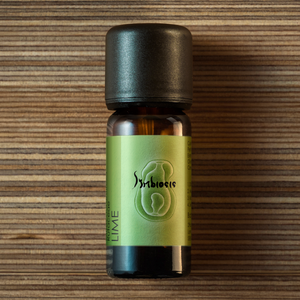


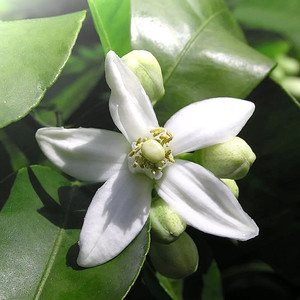

Petitgrain | Citrus aurantium 10mL
£11.50
Size: 10mL
Country of origin: ITALY
Botanical family: RUTACEAE
Extracted from: LEAVES & TWIGS
Extration method: STEAM DISTILLATION
Note: TOP/MIDDLE
Blends well with:
Neroli — Deepens the floral heart into something richer and more honeyed, the two oils sharing their Citrus aurantiumbotanical origin while occupying entirely different registers of it, the blend more complex than either achieves alone. → Kinship
Geranium — Warms the green-floral register into something with more complexity and character, the isomenthone of geranium giving the blend an edge that petitgrain's gentler bitterness does not provide alone. → Productivity
Bergamot — Brightens the citrus quality into something more openly fresh and complex, the tea-like warmth of bergamot meeting petitgrain's green bitterness to produce a blend that is more interesting than either alone without losing the quality of everyday freshness. → Kinship
Frankincense — Grounds the volatile green top into something with more structural depth, the resinous dry quality of the frankincense giving the blend a base that petitgrain's light dry-down does not sustain. → Productivity
Lavender 50/52 — Softens the green bitterness into something quieter and more settled, the linalyl acetate shared between the two oils creating a bridge that makes the blend feel like one thing, suited to a room that transitions from daytime use to evening. → Restoration
Shelf life: Keep in a cool, dark place in a tightly sealed amber or black bottle. 2-3 years
Precautions: Dilute before skin application; Avoid during pregnancy and while breastfeeding. Not for internal use. More Safety Information
The opening is green and slightly bitter: the smell of orange leaves crushed rather than orange peel expressed, the citrus quality present but without the sweetness of the fruit. A tangy freshness underlies it, the bitterness of the tree rather than its harvest. As the heart develops, the linalyl acetate brings a floral softness, gentler than neroli's honeyed complexity, more present than the opening suggested it would be. The alpha-terpineol adds a clean, faintly soapy quality that belongs to a freshly aired room rather than to a product. The dry-down is clean and slightly woody, the green quality resolved into something quieter. Neroli takes the same botanical and develops it through the flower: honeyed, indolic, complex. Petitgrain stays in the leaf: honest, functional, the complexity of the opening's bitterness moderating into ease rather than into richness. Where neroli is an occasion, petitgrain is the good daily condition of a space that is cared for.
Petitgrain is the person who makes things work smoothly and does not need it acknowledged. The competence is quiet and consistent: they tidy as they go, they know which drawer things belong in and actually return them there, they remember to open the window. There is no performance of care; the care is expressed entirely through the quality of the environments they maintain and move through. They are equally at ease hosting a casual gathering or working alone, adapting without losing the quality of their attention in either mode. Their home always feels fresh and ready, not because they fuss but because they pay attention to small things: light, air, the right amount of space between objects. You leave feeling as though you have spent time somewhere intentional but unstudied, and the distinction between those two things is one they understand precisely.
Colour:
The colour is soft green with hints of pale yellow, the colour of unripe citrus or new leaves in spring light before they have fully saturated: celadon, pistachio, the green-grey of sage. There is a cream in the linalyl acetate heart, the colour of whitewashed walls in direct sun, warm but not yellow. Nothing here is vivid or saturated; the palette suggests freshness without brightness, the quality of light in a room that has been open all morning and has taken on the colour of the outside air.
Texture:
In the air it has the quality of linen washed and line-dried, still slightly crisp from the air but softened from the sun: not stiff, not soft, a specific texture that belongs to something clean and used and clean again. The bitterness of the opening has a faint roughness, the texture of a leaf surface rather than a petal, and the linalyl acetate heart smooths it into something more like polished plaster at hand height: cool, smooth, with enough surface to feel substantial rather than merely present.
Architecture:
The plan is organised around the courtyard: whitewashed stucco walls enclosing an interior garden, the apertures arched and shaded, the threshold from courtyard to room a change in light quality rather than a physical barrier. The walls reflect heat and light outward, keeping the interior cool through the middle of the day. Terracotta tile floors extend from inside to outside, the same material on both sides of the threshold, the boundary between courtyard and room provisional rather than absolute. Shuttered windows on the outer walls allow cross-ventilation while blocking the harsh afternoon sun. The body moves from courtyard to room through a wide arched opening, feels the temperature drop, continues rather than pauses. Petitgrain runs as a green-citrus current through the transitional air of this threshold, the scent the courtyard and the room share in the morning when both are open to the same breeze, a quality held at the point where the inside air and the outside air are briefly the same thing.
Interior:
Minimal furniture in pale natural wood, the surfaces clean and showing the grain without finish or stain. Ceramic vessels for storage on open shelving, their forms simple and proportioned. A gauze curtain at the window, thin enough to move in a breeze, filtering the light without blocking it. Herbs drying in small bunches from a ceiling beam, their stems tied with undyed twine. The floor is terracotta tile, swept clean, the grout lines visible. The hand sets something down on the shelf, in the specific place it belongs, and it stays there. The patina here is of consistent, attentive use rather than of age or accumulation: the table worn smooth at the edge where the cloth is folded back, the shelf showing the faint mark where the same jar has been lifted and replaced many times. The scent gives the room its quality of prepared readiness, the green-floral current that rises from the herbs and the open window together, making the act of working or gathering in this space feel like the natural continuation of its daily care.
Sound:
Shutters being opened in the morning, the sound of them swinging back against the exterior wall: a brief, practical sound that resolves into the ambient sound of outside air entering the room. Underneath, the quiet efficiency of domestic tasks done without urgency: water running into a ceramic basin, a door closing softly, footsteps on tile. The acoustic is hard and clear, tile and plaster, the sounds moving quickly without resonance. Where geranium is the string quartet between movements, petitgrain is the shutter: the sound of the room being opened to the day, practical and immediate, the acoustic event that makes everything else possible.
Kinship
Petitgrain in a shared living space, a kitchen that transitions from cooking to gathering, or an entrance hall that sets the register of the home before anything else does, creates a quality of readiness that does not perform itself. The space feels prepared for whoever arrives without having been arranged for the arrival. The Kinship this enables is the everyday version: not the gathering of occasion but the ordinary welcome of a space that is consistently and quietly tended, where the hospitality is expressed through the quality of the air and the light rather than through any particular effort made visible.
Productivity
Petitgrain in a workspace or a room used for multiple purposes makes the transition between activities feel less weighted than it might otherwise. The green freshness of the opening clears the residue of what came before; the floral heart sustains the quality of a room that has been reset and is ready for what comes next. This is Productivity as baseline condition rather than as activated state: the workspace that is consistently fresh and organised rather than the workspace that has been heroically cleared for a specific task.
Remarks: The information provided on this website is for educational purposes only and may not be entirely accurate or complete. It is not intended to diagnose, treat, cure, or prevent any disease. Please note that the photos of the plants are intended to represent the typical appearance of each plant, but may vary based on location, growing conditions, and time of year. We recommend consulting with a healthcare professional before using any essential oils if you are pregnant or breastfeeding, or have any underlying health issues.