

Chamomile Roman | Anthems noblis 5mL
£30.50
Write a Review

Chamomile Roman | Anthems noblis 5mL
Size: 5mL
Country of origin: FRANCE
Botanical family: ASTERACEAE
Extracted from: FLOWERS
Extration method: STEAM DISTILLATION
Note: MIDDLE
Blends well with:
Lavender — Enhances the soft floral calm into something even more classically soothing. The blend becomes the quintessential bedtime scent—predictable, safe, deeply comforting. → Restoration
Mandarin — Adds gentle citrus sweetness that brightens without stimulating. The blend becomes more about peaceful contentment than about addressing difficulty. → Kinship
Neroli — Lifts the apple-honey warmth with orange blossom delicacy, adding a touch of elegance to the comfort. The blend becomes more refined while staying gentle. → Intimacy
Benzoin — Deepens the sweetness with resinous warmth, making it more about cocooning and protection. The blend becomes even more enveloping, like being wrapped in something soft. → Restoration
Shelf life: Keep in a cool, dark place in a tightly sealed amber/black bottle. 2-3 years
Precautions: Avoid if allergic to ragweed/daisies family.
Soft, sweet, and apple-like—gentler and more floral than German chamomile, with a warmth that feels genuinely comforting rather than medicinal.
The opening is fresh and fruity, like green apples and hay warmed by afternoon sun, with a honeyed sweetness that's mild rather than cloying. There's an herbal quality underneath, but it's smooth and rounded—none of the sharp bitterness or inky depth of German chamomile.
As it develops, you notice subtle floral notes that are more like chamomile tea steeped gently than like flowers themselves—a delicate, almost buttery sweetness with hints of dried grass, warm milk, and something faintly anise-like. The scent has a softness that's rare in essential oils, an almost fuzzy quality like the texture of the chamomile flower heads themselves. It smells like the kind of remedy grandmothers make—simple, trusted, gentle enough for children.
There's no edge to it, no intensity, just a quiet warmth that settles rather than stimulates. It's the scent of being cared for in an unobtrusive way, of remedies that work slowly and don't demand anything in return.
Roman Chamomile is the person who makes you tea without asking if you want any, who speaks quietly and moves gently, who never makes you feel like your needs are an imposition. They're calm in a way that's genuinely calming—not because they're performing serenity, but because they're genuinely at ease.
There's a maternal quality to them that has nothing to do with gender and everything to do with the way they create safety. They don't push or prod; they simply make space where rest is possible.
Conversation with them is easy and undemanding—long pauses are fine, silence is comfortable, you don't have to be interesting or articulate. They remember how you take your tea, they notice when you're tired before you say anything, and they adjust the environment without fanfare—dimming lights, closing curtains, offering a blanket. You leave their company feeling softer, like someone just reminded you that not everything requires effort, that sometimes the kindest thing is to simply stop.
Color: Pale butter yellow and cream, like chamomile flowers dried to their softest shade. Hints of warm ivory, the pale gold of afternoon light through linen curtains, the faded yellow of old children's book illustrations.
Texture: The softness of worn flannel, the fuzzy warmth of a favorite sweater that's been washed a hundred times, the slight give of a feather pillow. Gentle, enveloping, no sharp edges.
Architecture & Interiors: English cottage nurseries and Victorian convalescent rooms (1850s-1910s)—domestic spaces designed for the care of children and the sick, emphasizing comfort, quiet, and gentle recovery. Think Beatrix Potter cottage interiors, Kate Greenaway illustration settings, or the nursery rooms in country estates.
Architecture: Small-scaled rooms with low ceilings and small-paned windows, wallpapered walls (often with delicate floral patterns or pastoral scenes), wooden wainscoting painted soft colors, fireplaces with tiled surrounds, carpeted floors to muffle sound.
Interiors: Simple wooden furniture (rocking chairs, low shelves, small tables), quilts and crocheted blankets in gentle colors, ceramic pitchers for water and washing, children's books with cloth covers, toys made of wood and fabric rather than metal or plastic, oil lamps or candles for soft light. Spaces designed to feel protected and gentle—rooms where recovery happens through rest and routine rather than intervention, where the atmosphere itself is the medicine.
Sound: The creak of a rocking chair moving slowly, pages of a storybook being turned, the quiet pour of tea into a ceramic cup. A clock ticking softly, rain on windows, the rustle of cotton sheets being smoothed. Sounds that are rhythmic and predictable, never startling.
Roman Chamomile makes a space feel safe enough to truly rest—not just physically, but in the deeper sense of letting your guard down. It's the scent of a bedroom where sleep comes easily, a corner where crying is allowed without explanation, a room where you can be as vulnerable or tired as you actually are.
Some people use it in children's rooms where bedtime should feel like a natural transition rather than a battle, in spaces where anxiety needs to be gentled rather than confronted, in sick rooms where the goal is comfort rather than cure. It doesn't demand anything or promise transformation; it simply softens the edges of the world enough that rest becomes possible.
For those building a Restoration bond with their home, Roman Chamomile creates the sense that this space will hold you gently—that you don't have to be strong or capable here, that sometimes the deepest healing comes from being allowed to be small and cared for.
For others, it supports Kinship in quiet ways—creating an atmosphere where people naturally soften, speak more gently, attend to each other's needs without being asked.
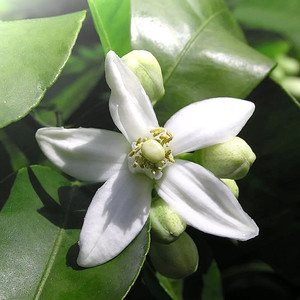
Remarks: The information provided on this website is for educational purposes only and may not be entirely accurate or complete. It is not intended to diagnose, treat, cure, or prevent any disease. Please note that the photos of the plants are intended to represent the typical appearance of each plant, but may vary based on location, growing conditions, and time of year. We recommend consulting with a healthcare professional before using any essential oils if you are pregnant or breastfeeding, or have any underlying health issues.
Related Products
-

-
-
Myrrh | Commiphora myrrh 5mL
£18.00 -