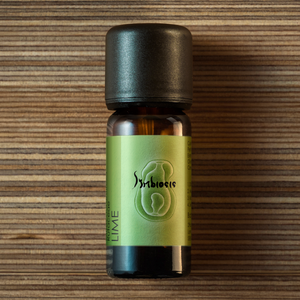


Cinnamon leaf | Cinnamomum zeylanicum 10mL
£9.50
Size: 10mL
Country of origin: SRI LANKA
Botanical family: LAURACEAE
Extracted from: LEAVES
Extration method: STEAM DISTILLATION
Note: MIDDLE
Blends well with:
Orange Sweet — Amplifies the festive warmth into something overtly celebratory. The blend becomes pure holiday cheer—mulled cider, pomander balls, spiced oranges studded with cloves. → Kinship
Clove Bud — Intensifies the spicy heat into something more medicinal and penetrating. The blend becomes more about warming circulation and clearing stagnation than about social warmth. → Restoration
Ginger — Adds sharp, fresh spice that makes the warmth more dynamic and less cozy. The blend becomes more about activation and movement than about gathering. → Stimulation
Frankincense — Grounds the bright spice with resinous depth, adding contemplation to the celebration. The blend becomes more ceremonial, about ritual rather than routine festivity. → Intimacy
Shelf life: Keep in a cool, dark place in a tightly sealed amber/black bottle. 2-3 years.
Precautions: Strong oil; always dilute heavily (0.5% or less).
Warm, spicy, and unmistakably cinnamon—but greener and more complex than the sweet bark you know from baking. The opening is sharp and almost peppery, with a clove-like heat that's more medicinal than culinary. There's a bright, herbaceous quality underneath, the smell of cinnamon tree leaves crushed between your fingers rather than ground bark in a jar.
As it develops, you notice the characteristic sweetness, but it's tempered by a woody-green edge and hints of eugenol (the compound that gives clove its distinctive scent), creating a spiciness that's less about dessert and more about warmth that penetrates. It's drier than cinnamon bark oil, less overtly sweet, with a subtle camphoraceous quality that makes it feel more serious, more grown-up.
The scent is stimulating without being harsh—it warms rather than burns, activates rather than overwhelms. There's something almost festive about it, the smell of mulled wine and winter markets, but also something that feels like medicine, like old-world remedies for cold hands and sluggish circulation. It smells like heat made aromatic, like the moment when cold air meets warm spice.
Cinnamon Leaf is the person who's genuinely enthusiastic without being exhausting, who brings energy into a room but doesn't demand that everyone match their level.
They're warm and engaging, the kind of person who makes gatherings feel more alive just by showing up. There's generosity to them—they share freely, invite easily, create spaces where people feel welcome to participate or simply observe.
Conversation with them is stimulating—they make connections between ideas quickly, get excited about possibilities, and their enthusiasm is genuinely contagious. They're the friend who suggests spontaneous plans and actually follows through, who creates tradition around small rituals. You leave their company feeling more awake, more engaged with life, like someone just reminded you that the world is full of interesting things worth paying attention to.
Color: Deep reddish-brown with warm amber undertones—the color of cinnamon bark steeped in brandy, autumn leaves backlit by late afternoon sun, terra cotta clay fired to richness.
Texture: The warmth of hands wrapped around a hot mug, the slight tackiness of honey or syrup, the dry heat of sun-warmed brick. Activating without being abrasive—warmth that moves through rather than sitting on the surface.
Architecture & Interiors: Victorian winter gardens and European market halls (1870s-1920s)—semi-public spaces designed for social gathering during cold months, where warmth and conviviality were architectural intentions. Think London's Leadenhall Market, Viennese coffee houses with their dark wood and brass, or the covered passages of Paris.
Architecture: High ceilings with ornamental ironwork, large windows or glass roofs maximizing winter light, cast iron radiators and stoves as focal points, brick or stone walls that hold heat, tiled or wooden floors that echo with footsteps and conversation.
Interiors: Dark wood paneling (mahogany, walnut), brass fixtures that glow in lamplight, marble-topped tables, upholstered seating in deep reds and golds, shelving displaying bottles and tins with ornate labels, the smell of roasting nuts and mulled wine. Spaces designed for lingering—where cold weather outside makes warmth inside feel like celebration, where strangers become acquaintances over shared heat and seasonal rituals.
Sound: The hiss of a steam radiator, the clink of spoons stirring in ceramic mugs, animated conversation with laughter breaking through. The crackle of something roasting, the pop of cork being pulled, the shuffle of feet on wooden floors as people move between warm spots.
Cinnamon Leaf makes a space feel inviting and alive—the kind of alive that comes from warmth and gathering rather than from nervous energy. It's the scent of a kitchen during holiday preparations, a living room where people naturally congregate on cold evenings, an entryway that makes coming home feel like an event worth celebrating.
Some people use it in dining spaces where meals should feel like occasions, in rooms where seasonal traditions are honored, in corners where cold weather is acknowledged rather than merely endured. It doesn't soothe or calm; it animates. It makes people want to engage—with each other, with food, with the rituals that mark time and create continuity.
For those building a Kinship bond with their home, Cinnamon Leaf creates the sense that this space is meant for sharing—that warmth is amplified rather than depleted when others are included, that hospitality is less about perfection and more about generous presence.
For others, it supports Stimulation in a social way—not about solitary productivity but about the energy that comes from connection, conversation, and the collective warmth of bodies in a room that cares about their comfort.
Remarks: The information provided on this website is for educational purposes only and may not be entirely accurate or complete. It is not intended to diagnose, treat, cure, or prevent any disease. Please note that the photos of the plants are intended to represent the typical appearance of each plant, but may vary based on location, growing conditions, and time of year. We recommend consulting with a healthcare professional before using any essential oils if you are pregnant or breastfeeding, or have any underlying health issues.