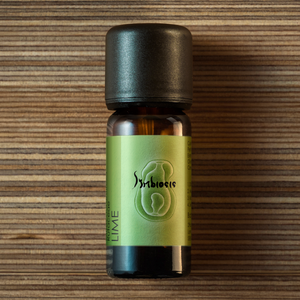


Niaouli | Melaleuca viridifora 10mL
£8.00
Size: 10mL
Country of origin: MADAGASGA
Botanical family: MYRTACEAE
Extracted from: LEAVES & TWIGS
Extration method: STEAM DISTILLATION
Note: MIDDLE
Blends well with:
Eucalyptus Radiata: Brightens the camphoraceous quality with a citrus sweetness that softens niaouli's austerity while keeping the airway-clearing function intact. A bathroom or a sickroom where functional comfort is required. → Restoration
Tea Tree: Deepens the medicinal register, the terpinen-4-ol of tea tree adding an earthy density to niaouli's drier, cleaner base. A utility space or a room where air quality is the primary concern. → Storage
Lavender 50/52: Softens the clinical edge into something with more domestic warmth, the linalyl acetate bridge carrying the blend toward a bedroom that can hold illness without feeling like a medical setting. → Restoration
Frankincense: Grounds the functional sharpness into something with more structural depth, the resinous dry quality of the frankincense giving the blend a base that niaouli's austere top does not sustain alone. → Restoration
Lemon: Brightens the green-camphoraceous quality into something more immediately clarifying, the citral of lemon aligning with niaouli's cineole to produce a blend that clears a room efficiently and without sentiment. → Productivity
Shelf life: Keep in a cool, dark place in a tightly sealed amber or black bottle. Best used within 2-3 years.
Precautions: Avoid during pregnancy and while breastfeeding. Not for internal use. More Safety Information
Sharp and piercing at first—like eucalyptus but less sweet, more medicinal and matter-of-fact. There's a green, almost bitter herbaceousness underneath, the smell of crushed leaves rather than distilled essence, something raw and unrefined. It has a camphoraceous intensity that clears the sinuses immediately, but there's also an unexpected softness: a faint sweetness like green wood sap, and a subtle smokiness as if someone burned medicinal herbs in a clay vessel.
Cleaner than tea tree, less aggressive than cajeput, with a dry, slightly dusty finish that lingers on the air. It smells functional rather than decorative—the scent equivalent of a well-made tool that does exactly what it's designed to do without apology or embellishment. There's no attempt to be pleasant, no sweetness added to make it more palatable. It's honest about being utilitarian.
Some find this refreshing—a scent that doesn't pretend to be anything other than effective. Others find it too austere, too reminiscent of medical settings, too unwilling to offer comfort alongside competence.
Niaouli is the person who shows up prepared without making a production of it. They've got the first aid kit, the backup plan, the spare phone charger—not because they're anxious, but because they're practical and paying attention. There's no melodrama to their competence, no need for recognition or praise. They're not interested in being thanked or noticed; they just handle what needs handling. When everyone else is panicking, they're already solving the problem quietly and efficiently.
They're observant in a quiet way—they notice when you're getting sick before you do, when a situation is about to turn, when someone needs help but won't ask for it. There's warmth there, but it's expressed through action rather than words. They're the friend who drops off soup without needing to stay and chat, who fixes the thing you mentioned was broken without being asked.
Reliable without being rigid, capable without being controlling. You leave feeling steadier, like someone just reminded you that most problems have solutions if you stay calm enough to find them.
Color: Forest green with a greyish cast, like lichen on stone or eucalyptus bark. Pale silvery-green like dried sage, with occasional flashes of brighter lime where fresh growth appears. The muted green of hospital scrubs or old glass medicine bottles.
Texture: Rough tree bark with papery layers that peel away to reveal smooth wood underneath. The feeling of linen washed so many times it's gone soft but still has structure. Cool stone worn by water—not polished smooth, but shaped into usefulness. The slight resistance of bandage gauze being unwound from a roll.
Architecture & Interiors: Modernist forest ranger stations and fire lookout towers (1930s-1960s)—functional structures built for observation and rapid response, perched on mountainsides or forest clearings. Think mid-century forestry cabins, coastal rescue stations, mountain weather observation posts.
Architecture: Simple rectangular forms with large windows for visibility, exposed timber framing, corrugated metal roofing, exterior stairs and platforms for scanning terrain, elevated positions for clear sightlines, minimal ornamentation.
Interiors: Built-in wooden shelving for supplies, folding camp furniture, topographic maps thumbtacked to walls, first aid kits and fire-fighting equipment stored in plain sight, wood stoves for heat, radio equipment, logbooks. Everything serves a purpose; nothing is decorative. Spaces designed for people who need to stay alert and respond quickly—architecture that acknowledges isolation while remaining ready for emergency, that values preparedness and clarity over comfort.
Sound: The clean snap of breaking dry twigs, footsteps on a forest trail covered in pine needles, the creak of a wooden door opening in cold weather. Underneath, the steady rhythm of someone splitting firewood—purposeful, efficient, unhurried. Sound that suggests competence and self-sufficiency.
Niaouli makes a space feel more functional without becoming clinical. Some people use it in rooms where they need clarity and focus without overthinking: a bathroom where morning routines happen efficiently, a workspace where problems need solving rather than philosophizing, a bedroom during illness when comfort means being able to breathe clearly rather than emotional coddling. It doesn't inspire or soothe; it clears.
For those building a Storage bond with their home, Niaouli creates the sense of a well-stocked supply closet—the feeling that this space has what you need when you need it, that preparedness is a form of care, that maintaining readiness is part of responsible dwelling.
For others, it supports Restoration not through relaxation but through practical recovery—the body's version of resetting a circuit breaker, clearing the system so it can function properly again.
Remarks: The information provided on this website is for educational purposes only and may not be entirely accurate or complete. It is not intended to diagnose, treat, cure, or prevent any disease. Please note that the photos of the plants are intended to represent the typical appearance of each plant, but may vary based on location, growing conditions, and time of year. We recommend consulting with a healthcare professional before using any essential oils if you are pregnant or breastfeeding, or have any underlying health issues.
![Tea tree [Terpinen-4-ol] | Melaleuca alternifolia 10mL](https://cdn11.bigcommerce.com/s-yyt1ynpypl/images/stencil/300x300/products/157/528/Tea_tree_plant_2__92469.1751866239.jpg?c=1 "Tea tree [Terpinen-4-ol] | Melaleuca alternifolia 10mL")