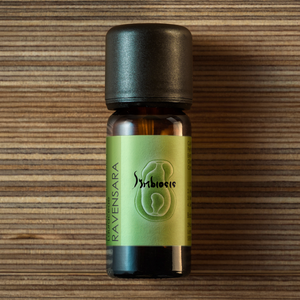


Cajeput | Melaleuca cajaputi 10mL
£11.00
Size: 10mL
Country of origin: INDONESIA
Botanical family: MYRTACEAE
Extracted from: LEAVES & TWIGS
Extration method: STEAM DISTILLATION
Note: MIDDLE
Blends well with:
Eucalyptus: Amplifies the camphoraceous clarity, pushing the blend fully into the clinical-clean register. A sickroom in active recovery, windows open regardless of weather. → Restoration
Lavender 50/52: Softens the clinical edge with herbaceous calm, letting the room recover without insisting on discipline. A bathroom after the day's exertion has been addressed. → Restoration
Peppermint: Sharpens the cold-water shock further, both oils pulling the room toward maximum alertness. A home gym at the point where motivation is running thin. → Stimulation
Rosemary: Deepens the medicinal register into something more herbal and purposeful, better suited to a desk than a bathroom. → Productivity
Bergamot FCF: Lifts the sharpness with citrus brightness, making the wake-up gentler and more sociable, suited to a kitchen rather than a clinic. → Kinship
Shelf life: Keep in a cool, dark place in a tightly sealed amber or black bottle. Best used within 2 to 3 years.
Precautions: Always dilute before use on skin. Avoid use on or near the faces of children under ten years old. Caution for those with asthma. Avoid during the first trimester of pregnancy. Not for internal use.
A bright, almost harsh green-white sharpness comes off the top, more menthol than mint, more clinical than herbal. Beneath the camphor-front emerges a slightly fermented apple-fruit note that sets Cajeput apart from the rest of the eucalyptus-tea tree family. The heart shows a quiet spiciness, traces of cardamom and clove, with a faint woody dryness underneath. Cleaner than tea tree, sharper than niaouli, less rounded than eucalyptus, Cajeput announces itself, does its work, and fades clean. The air left behind feels like the slap of cold water across the face.
Cajeput is the person who shows up at 6am for a run regardless of weather, who drinks their coffee black and is genuinely confused by anyone who would want it any other way. They are not unkind. They have zero tolerance for excuses, theirs or yours, and they believe that discomfort is often the fastest route to improvement. They do not do small talk, do not soften their opinions, and they are exhausting to be around if you are not ready for that level of directness. They make no apologies for being intense. You leave their company either motivated or irritated, sometimes both.
Colour:
Pale green-white like fresh mint leaves, with flashes of sharp silver, cool blue-grey beneath. The colour of hospital scrubs at dawn light, frosted glass, early morning mist that's cold enough to sting. Each pigment holds light coolly, with no warmth absorbed back. Beside this, Tea Tree reads slightly warmer, less silver, more clinical-beige.
Texture:
The shock of cold water meeting hot skin, the tingle of menthol against the breath, the slight burn of rubbing alcohol before it evaporates. Sharp, activating, impossible to ignore. The texture comes at you in tiny needles of brightness, with no give, no softness. Where Niaouli's texture would feel like cool damp moss, Cajeput is the clean-edged scalpel.
Architecture:
Cajeput builds in the modernist sanatorium register, post-Spanish-flu through to mid-century: Alvar Aalto's Paimio Sanatorium in Finland and Richard Neutra's Lovell Health House in Los Angeles point at the same spatial vocabulary, where clean air, water, and light are treated as therapeutic in themselves. White walls and ceilings reflect daylight back at the room, large operable windows admit cool air, balconies and terraces extend the interior into outdoor rest. Materials are chosen for hygiene: tile, terrazzo, steel, glass, with the body moving briskly through the space upright and unsupported. Where Sumatra's shell closes around its weight, this opens to scoured clean light, with the scent running through the space like a current of cold air, leaving the volume clinically clear.
Interior:
At room scale, the fixtures are clinical. Tubular steel seating, bentwood chairs, sinks and tubs at room centre, glass-fronted medicine cabinets, exercise equipment in plain sight. The patina here is clinical wear: the rub-shine of stainless steel at handle points, the slight mineral haze at tile grout, the way the floor's grain shows where wet feet have crossed it. Where Sumatra's interior dressed the room in leather and dark wool, Cajeput leaves the surfaces hard and reflective, with the scent giving each clean edge a sharper definition.
Sound:
The hiss of steam through a vent, water running in metal pipes, the snap of a towel shaken out. The breath-work of physical therapy: sharp inhales, the controlled exhales of a sit-up count, the steady metronome beep of a wall timer. Footsteps echoing on tile, never softened by carpet. Where Eucalyptus would sound rounder, more boy-scout-camp, Cajeput is the metallic ping of a hospital corridor at first light.
Restoration:
In a bathroom where the day's residue needs to be addressed properly, or a sick room where recovery is treated as active work, Cajeput holds the air clinical, clear. The scent does not soften the task. It gives the room the clean intensity of healing that requires you to show up, where convalescence stays active and the body keeps moving.
Stimulation:
At the start of the morning, in a home gym where you will not let yourself stop early, Cajeput gives the cold-water signal that the day has begun. It does not coax; it commands. The scent equivalent of turning on every light and opening every window at once.
Remarks: The information provided on this website is for educational purposes only and may not be entirely accurate or complete. It is not intended to diagnose, treat, cure, or prevent any disease. Please note that the photos of the plants are intended to represent the typical appearance of each plant, but may vary based on location, growing conditions, and time of year. We recommend consulting with a healthcare professional before using any essential oils if you are pregnant or breastfeeding, or have any underlying health issues.
![Tea tree [Terpinen-4-ol] | Melaleuca alternifolia 10mL](https://cdn11.bigcommerce.com/s-yyt1ynpypl/images/stencil/300x300/products/157/528/Tea_tree_plant_2__92469.1751866239.jpg?c=1 "Tea tree [Terpinen-4-ol] | Melaleuca alternifolia 10mL")