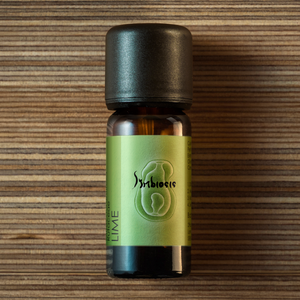



Ravensara | Ravensara aromatica 10mL
£14.50
Size: 10mL
Country of origin: MADAGASCAR
Botanical family: LAURACEAE
Extracted from: LEAVES
Extration method: STEAM DISTILLATION
Note: MIDDLE
Blends well with:
Eucalyptus Radiata: Brightens the camphoraceous quality with citrus sweetness, the two oils sharing their cineole brightness while eucalyptus's limonene moderates ravensara's spiced complexity into something lighter and more immediately fresh. A sickroom or a bathroom during illness. → Restoration
Lavender 50/52: Softens the medicinal edge into something with more domestic warmth, the linalyl acetate bridge carrying the blend toward a bedroom that can hold illness without feeling like a treatment space. → Restoration
Frankincense: Grounds the sharp opening into something with more structural depth, the resinous dry quality of the frankincense giving the blend a base that ravensara's volatile top does not sustain alone. → Restoration
Tea Tree: Deepens the functional-medicinal register, the terpinen-4-ol of tea tree adding an earthy density to ravensara's cleaner, more complex base. A utility space where air quality is the primary concern. → Storage
Lemon: Brightens the camphoraceous green top with citrus clarity, the citral of lemon aligning with the cineole to produce something that clears the air more decisively while the ravensara's spiced warmth keeps the blend from becoming purely sharp. → Productivity
Shelf life: Keep in a cool, dark place in a tightly sealed amber or black bottle. 2-3 years
Precautions: Dilute before skin application; Avoid during pregnancy and while breastfeeding. Avoid use with children. Not for internal use.
The opening is camphoraceous and immediately clearing: cineole making its presence known before the nose has finished assessing the air, the sinuses responding before conscious identification. What follows is less expected: the methyl chavicol warmth entering in the heart, a spiced-anise quality that has nothing to do with the eucalyptus family and everything to do with the forest this oil comes from, a different geography of aromatic chemistry entirely. A woody-green depth develops underneath, the base carrying a warmth that the opening did not suggest. The dry-down is quieter, the camphoraceous quality resolved into something more herbaceous, the spice still present but at a distance. Eucalyptus radiata takes the cineole family and keeps it clean and citrus-bright; ravensara takes the same opening and turns it toward a spiced complexity that eucalyptus does not attempt. Tea tree stays earthy and dense throughout; ravensara moves from sharp through spiced to quiet, a more varied progression than either sister oil offers.
Ravensara is the person who gets things done without announcing the getting done. The competence is practical and expressed through action: when something is broken, they fix it; when someone is unwell, they arrive with specific useful things rather than with sympathy or emotional availability. There is a clarity to how they assess situations, an absence of the self-consideration that slows other people's response times. They are adaptable without being without a centre, moving between contexts easily while maintaining the quality of their attention. The warmth is real but expressed entirely through usefulness; they are not interested in being appreciated for it, only in it having been adequate to the situation. You leave their company feeling that most problems have practical solutions if you stay clear-headed enough to find them, which is not a small thing to be reminded of.
Colour:
The colour is spring green with flashes of bright yellow-green at the sharpest moments of the cineole opening, the colour of new growth against darker forest green, a particular quality of morning light on dewy leaves. There is a warm amber in the methyl chavicol heart, briefly, the colour of resin in thin light, and a blue-green in the cineole that belongs to the eucalyptus adjacency. The palette is cooler in the opening and warmer in the heart, the scent's temperature shift legible in the colour shift.
Texture:
In the air it has the slight oiliness of aromatic leaves crushed between the fingers: not sticky, with a smoothness that registers as living rather than processed. The cineole opening has a coolness that penetrates gently rather than shockingly, and the methyl chavicol heart adds a faint warmth, the texture shifting from cool and smooth toward something with slightly more body. The dry-down is simply clean, the textural complexity resolved into an absence of sensation that reads as the air having been attended to.
Architecture:
The plan is low and outward-facing: a single-storey structure with large windows on the landscape side, the roof flat or very low-pitched, the building sitting in the landscape rather than on it. Natural materials in honest combination: timber framing, stone floors, glass facing the garden, the structure making no claim to permanence greater than the landscape it sits within. Interior courtyards bring the outside air through the building. Walkways connect separate pavilions through gardens, the body moving between enclosed and open air repeatedly as it moves through the plan. The threshold between inside and outside is a sliding glass panel rather than a door: the body passes through without pausing, the temperature change minimal. Ravensara runs as a camphoraceous-spiced current through the transitional air of the walkway, the scent the plan holds at the point where the enclosed air and the garden air briefly share the same passage, clarifying as it moves.
Interior:
Minimal furniture in teak and canvas, the surfaces clean and showing the material without applied finish. White walls amplifying the natural light from the large windows. A simple treatment bed with clean linen, the surface unencumbered. Potted plants at the interior threshold, their leaves large enough to move in the air circulation. The floor is natural timber or stone, easy to clean, carrying no warmth. The hand sets something down on the teak surface, feels the grain and the slight warmth the wood holds. Nothing in this space is decorative without also being functional; the plants are here because they change the quality of the air, the linen is here because the body needs a surface, the light is here because the body heals better in it. The scent gives the room its quality of supported clarity, the camphoraceous-spiced current through the clean air that makes the body feel that the space is organised around what it actually needs.
Sound:
Wind chimes made of bamboo struck lightly by a passing breeze: clear tones that arrive and do not linger, each sound complete in itself before the next arrives. The acoustic is outdoor-adjacent, the interior in continuous auditory contact with the garden through the open panels. Underneath, the sound of footsteps on a timber walkway, a door closing at a distance, the early morning sound of birds in a garden that has not yet been disturbed by the day. Where niaouli is the axe splitting firewood, ravensara is the wind chime: the same register of functional clarity, but lighter, the sound of a space that is in contact with something larger than itself.
Restoration:
Ravensara in a bathroom during illness, a bedroom where recovery is being supported, or any space where the body needs the kind of practical help that clear air provides, gives those spaces a quality of organised support: the room is working with the body rather than simply containing it. The cineole's airway-clearing function and the methyl chavicol's spiced warmth together create a quality of air that is neither clinical nor merely pleasant, but specifically adequate to what the body is trying to do. This is restoration as environmental support rather than as comfort or permission.
Productivity:
Ravensara in a workspace where physical malaise is making mental clarity difficult bridges the gap between being unwell and being functional. The cineole addresses the congestion or physical fog; the spiced warmth of the methyl chavicol keeps the room from feeling purely medicinal. The result is not energy but access: the return of the capacity to focus that illness had temporarily obscured.
Remarks: The information provided on this website is for educational purposes only and may not be entirely accurate or complete. It is not intended to diagnose, treat, cure, or prevent any disease. Please note that the photos of the plants are intended to represent the typical appearance of each plant, but may vary based on location, growing conditions, and time of year. We recommend consulting with a healthcare professional before using any essential oils if you are pregnant or breastfeeding, or have any underlying health issues.