Frankincense
Cool, dry resin: pine and a thread of lemon at the top, wood and paper at the base, never smoke, never honey.
Emotional Qualities:
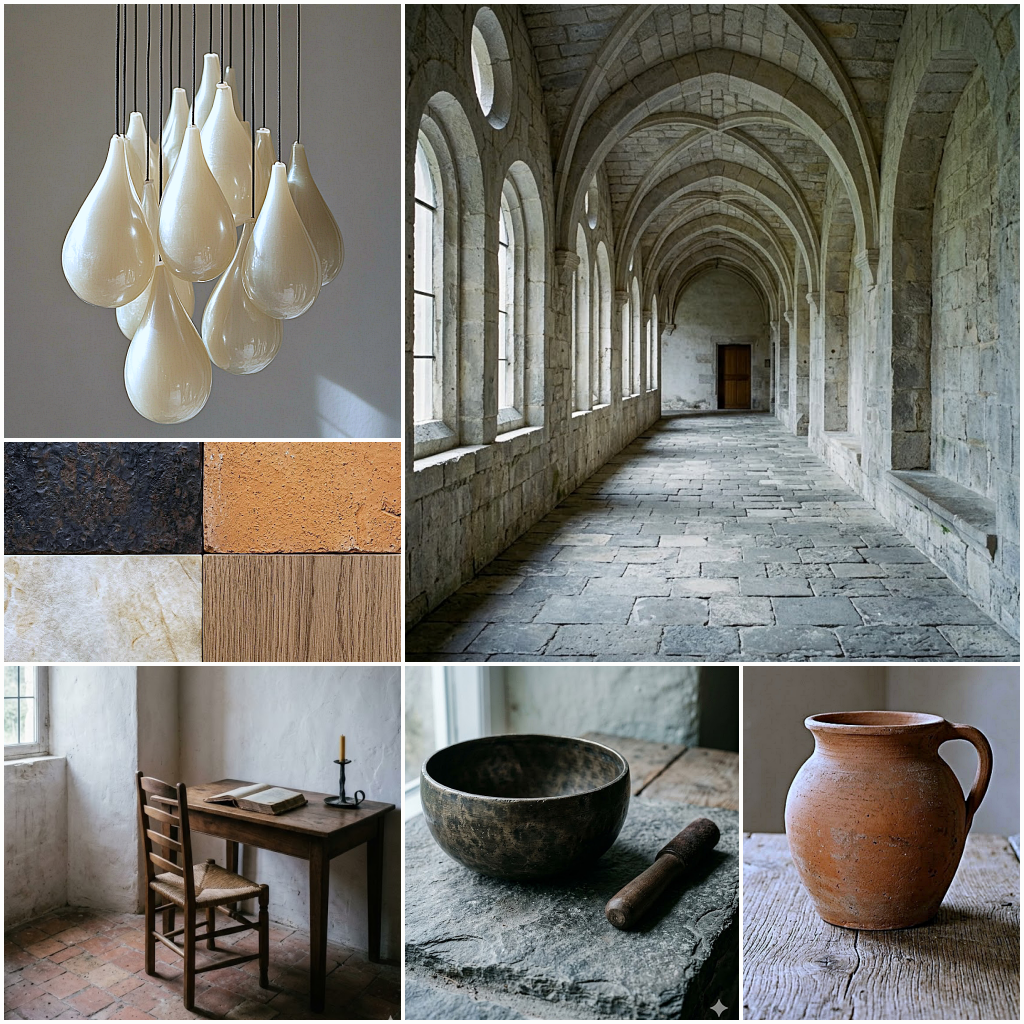
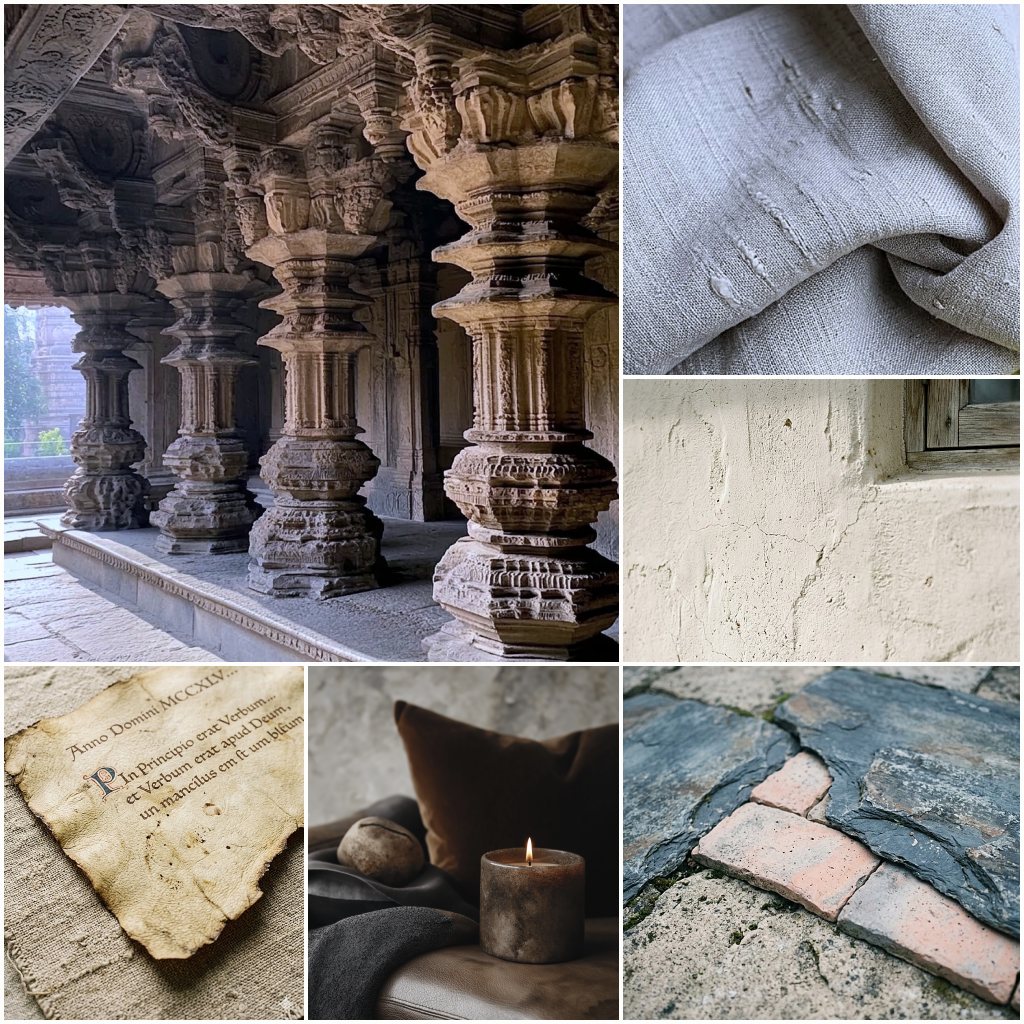
Frankincense (serrata) is for clarity in the presence of feeling, not relief from it. The opening is sharp enough to cut through; the dry-down stays long without ever sweetening. It does not soften a difficult feeling or make a hard truth easier, but it does not push the feeling away either. Some people find it suits the moments when a feeling needs to be held steady rather than dissolved, when a question can be kept open without rushing toward an answer. Contemplative without being precious about it, the scent steadies the emotional climate of a room rather than easing it.
Comparison with Similar Scents:
Frankincense vs. Myrrh
Myrrh is heavier and moves more slowly, with a bitter, earthy body and a slight animalic undertone in the heart. Frankincense is lighter at every stage: the opening sharper, the heart cooler, the dry-down drier. Myrrh sits in a room; frankincense clears the air above it. Myrrh is for the room that holds an old weight. Frankincense is for the room that has just been cleared.
The two share a clean-wood character in their dry-downs, but they arrive there from different places. Cedarwood opens warm in the wood with a forest-floor earthiness, builds into a sweeter resin at the heart, and settles slowly. Frankincense opens sharp at the pine-citrus top, stays dry through the heart without sweetening, and only arrives at the wood at the end. Cedarwood holds its character throughout; frankincense sharpens, then cools, then clears. Cedarwood suits the room that has settled; frankincense suits the room still in the act of settling.