

Jasmine absolute | Jasminum officinale 5mL
£50.00
Size: 5mL
Country of origin: INDIA
Botanical family: OLEACEAE
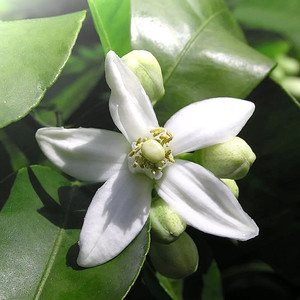
Extracted from: FLOWERS
Extration method: SOLVENT EXTRACTED
Note: BASE
Blends well with:
Sandalwood — Grounds the heady floral with creamy wood, making it more meditative and less overtly seductive. The blend becomes about sensuality that's contemplative rather than urgent. → Intimacy
Bergamot — Lifts the heavy sweetness with citrus brightness, making it more wearable during the day. The blend becomes lighter but keeps its floral richness. → Intimacy
Rose Otto — Combines two opulent florals into something even more luxurious and layered. The blend becomes about beauty as an end in itself, not needing to serve any other purpose. → Intimacy
Ylang Ylang — Intensifies the tropical, indolic sweetness into something almost overwhelming. The blend is not for subtlety—it's unabashedly about pleasure and desire. → Intimacy
Shelf life: Keep in a cool, dark place in a tightly sealed amber/black bottle. 2-3 years
Precautions: Highly concentrated; dilute and use sparingly. More Safety Information
Intensely floral, rich, and almost intoxicatingly sweet—like standing near jasmine flowers at night when their scent is at its strongest, heavy and heady and impossible to ignore.
The opening is lush and honeyed, with a creamy sweetness that's both floral and fruity, hints of overripe apricot and banana mingling with the white flowers. There's an indolic quality underneath—a slight animalic muskiness, something faintly fecal or sweaty that gives the sweetness depth and makes it smell alive rather than perfumey.
As it develops, you notice tea-like notes and a subtle greenness, but the dominant impression remains that opulent, narcotic floral richness. The scent is dense and enveloping, the kind that fills a room completely and lingers on skin and fabric for hours. It's not light or fresh; it's warm, heavy, and overtly sensual—the smell of night-blooming flowers, of bedrooms and skin, of desire made aromatic. Some people find it overwhelmingly beautiful; others find it too much, too cloying, too obviously about seduction.
Jasmine is the person who's unapologetically sensual and fully inhabits their body without shame or performance. They're magnetic not because they're trying to be, but because they're genuinely comfortable with pleasure, beauty, and desire as natural parts of being alive.
There's an intensity to them that can feel overwhelming—they don't do casual or half-engaged, they're either all in or not interested. They're the friend who talks openly about things others whisper about, who treats physical pleasure as worthy of attention and conversation, who doesn't apologize for wanting what they want.
Conversation with them can feel intimate even when it's not personal—they have a way of making everything feel slightly charged, slightly more alive. You leave their company feeling either awakened and more aware of your own body, or slightly uncomfortable because they refuse to pretend that desire and sensuality aren't constantly present.
Color: Deep cream-white with golden undertones, like jasmine petals at their peak just before they brown. Hints of warm amber and the palest yellow-green, luminous in darkness.
Texture: The velvety softness of flower petals, the slight oiliness of perfume on warm skin, silk that clings and slides. Rich, enveloping, unmistakably tactile—more about touch than about distance.
Architecture & Interiors: Moorish courtyards and Persian garden pavilions (800s-1600s)—intimate outdoor rooms designed for evening leisure, where night-blooming flowers are planted intentionally near seating areas, where scent is as important as sight. Think Alhambra's Court of the Lions, Persian chahar bagh garden pavilions, or Mughal pleasure gardens.
Architecture: Enclosed courtyards with central fountains for sound and coolness, arcaded walkways that frame views without exposing interiors completely, mashrabiya screens that allow air and scent to pass while maintaining privacy, low seating built into walls or on raised platforms, tiled floors and walls that stay cool and reflect water.
Interiors (or semi-enclosed spaces): Cushions and carpets for reclining rather than upright sitting, hanging oil lamps that can be dimmed, braziers for burning incense, alcoves for privacy within communal spaces. Gardens surrounding these pavilions filled with night-blooming jasmine, tuberose, and other flowers whose scent intensifies after dark.
Spaces designed for evening and night use—where the heat of day has passed, where scent becomes more important than color, where the point is to linger and attend to pleasure rather than to accomplish or display.
Sound: Water trickling in fountains, the rustle of fabric and cushions as people shift positions, low conversation and occasional laughter. Night sounds—crickets, distant music, the absence of daytime urgency.
Jasmine makes a space feel unabashedly sensual and intimate—not subtly romantic, but overtly about pleasure, desire, and the body's aliveness. It's the scent of a bedroom where sexuality is welcomed rather than hidden, a bathroom where getting ready is a ritual of adornment rather than just hygiene, a room where beauty and sensuality are treated as valuable rather than frivolous.
Some people use it when they want to reconnect with their own sensuality, when desire has been buried under daily demands, when the physical body needs to be remembered as a source of pleasure rather than just a vehicle for tasks. It awakens. It creates an atmosphere where inhibition feels unnecessary, where pleasure is allowed to be complicated and intense, where the body's desires are information worth attending to.
For those building an Intimacy bond with their home, Jasmine creates the sense that this space can hold the fullness of desire—that sexuality, sensuality, and physical pleasure belong here without apology, that the body is worthy of beauty and attention.
For others, it supports Restoration in an unexpected way: by reminding you that pleasure itself is restorative, that reconnecting with what feels good in your body is part of healing, that numbness or disconnection from physical sensation is its own kind of wound.
Remarks: The information provided on this website is for educational purposes only and may not be entirely accurate or complete. It is not intended to diagnose, treat, cure, or prevent any disease. Please note that the photos of the plants are intended to represent the typical appearance of each plant, but may vary based on location, growing conditions, and time of year. We recommend consulting with a healthcare professional before using any essential oils if you are pregnant or breastfeeding, or have any underlying health issues.