

Sandalwood | Santalum album 5mL
£63.00
Size: 5mL
Country of origin: INDIA
Botanical family: SANTALACEAE
Extracted from: HEARTWOOD
Extration method: STEAM DISTILLATION
Note: BASE
Blends well with:
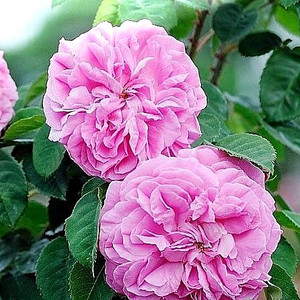
Rose Otto: Warms the floral richness into something with more woody depth, the two oils meeting at their shared quality of warmth that deepens over time, the rose giving the sandalwood a floral complexity it does not carry alone. → Intimacy
Frankincense: Lifts the creamy base with a cool, dry resinous quality, the two oils creating a blend that is both warm and measured, suited to a space where depth and clarity coexist. → Storage
Vetiver: Deepens the base into something earthier and drier, the two oils reinforcing each other's exceptional longevity while the vetiver's smoky quality gives the sandalwood's creaminess something to contrast against. → Storage
Jasmine absolute: Warms the floral-animalic register into something richer and more complex, the indolic warmth of jasmine meeting the skin-adjacent santalol for a blend that fills a room at very low concentration. → Intimacy
Clary sage: Warms the musky base into something more herbal and bodily, the sclareol of clary sage meeting the santalol in the same register of warm, unhurried depth. → Intimacy
Shelf life: Keep in a cool, dark place in a tightly sealed amber or black bottle. Best used within 4 to 6 years; the santalol content gives genuine S. album exceptional stability.
Precautions: Dilute before skin application. Avoid during pregnancy and while breastfeeding. Not for internal use. More Safety Information
The opening is immediately creamy and woody: no sharp top note, no phase of brightness before the depth arrives. The alpha-santalol is present from the first moment, the characteristic quality of warm wood that has been polished by long contact with hands, the slight muskiness already present underneath. As the heart develops, the warmth deepens without changing register, the santalol complexity becoming more apparent as each of its components distinguishes itself within the whole: the creaminess, the skin-warmth, the very faint incense quality that is more about accumulated time than about anything burned. The dry-down is quieter but unchanged, the character simply more settled, less assertive, the muskiness the last quality to leave the air. Cedarwood takes the woody family and keeps it dry and precise; vetiver takes it into earthy, smoky depth; patchouli takes it into dark organic earthiness. Sandalwood alone stays in the warm, skin-adjacent register throughout, the material that smells most like the body's own warmth reflected back from a wooden surface.
Sandalwood is the person who has nothing left to prove and the ease that comes with that. The work of arriving at themselves has already been done; what remains is simply being that, without effort or performance. They are comfortable with silence, with slowness, with things taking as long as they take. They do not fill space with chatter or offer opinions unless they are useful; when they do speak, it is from somewhere considered rather than reactive. There is a sensuality in them that is entirely integrated, present as a quality of how they inhabit their own body rather than as a statement about desire. Time with them does not feel as though it is building toward anything; it feels complete in itself. You leave feeling less rushed, reminded that some kinds of richness come from depth rather than from intensity, which is a different thing entirely.
Colour:
The colour is warm honey-gold with pale amber throughout, the colour of aged wood or sandalwood paste ground on stone: not the sharp yellow of lemon or the bright tangerine of sweet orange, but a warm, slightly translucent gold that belongs to things that have been accumulating warmth for a long time. There is a creamy beige in the base, the colour of aged ivory, and the musky dry-down shifts the palette toward a soft terracotta, the colour of evening light through a carved wooden screen. Nothing here is cool or bright; the palette is consistently warm and quietly accumulated.
Texture:
In the air it has the creamy density of sandalwood paste, something between smooth and slightly resistant, warm to the contact rather than cool. The alpha-santalol creaminess registers as a softness in the air itself, a quality of the atmosphere having more body than usual without any weight being added. As the heart deepens, the musky quality adds a very faint stickiness, the texture of warm skin rather than of a surface: the scent has crossed the boundary between air and body and is now a quality of both.
Architecture:
The plan is proportioned for stillness: columns of carved stone or teak supporting a ceiling at a height that is neither oppressive nor vast, the volume calculated to make the body feel appropriately located rather than either compressed or exposed. Jali screens or carved wooden panels filter the light into geometric patterns on the floor, the light itself becoming a material in the room, warm and specific in its angles. Platforms for sitting are positioned for the quality of light at particular times of day, the architecture organised around the body at rest rather than the body in motion. The body enters, feels the change in air quality, the creaminess of the sandalwood already present in the atmosphere, finds the platform, settles. Nothing in the plan encourages movement through; everything encourages staying. Sandalwood runs as a slow warm current through the full volume of this space, so embedded in the carved timber and the warm stone that it is a property the space has developed over time rather than something added to it.
Interior:
Wood floors worn smooth by countless footsteps in the same paths, the surface carrying no finish beyond the accumulated contact of use and time. A single low platform or table, the timber heavy and dark, the surface smooth where hands have rested. Air that carries the permanent warmth of sandalwood burned and breathed over many generations, the scent in the walls and the ceiling and the floor at the same concentration as in the air. Minimal objects: a bowl, a cloth, a candle in a simple holder. The hand rests on the floor beside the platform, feels the warmth the wood has absorbed, the smooth-rough texture of grain that has been walked on for longer than anyone now living can account for. The patina here is the deepest in the range: not the patina of use but the patina of practice, the accumulated trace of attention paid in the same space over many years. The scent gives the room its quality of settled depth, the warm creamy current that rises from every surface equally and makes the act of sitting still in this space feel like the thing the space was built to support.
Sound:
A brass singing bowl struck and held, the tone low and resonant, seeming to come from the room rather than from the bowl itself, filling the space without demanding that the space respond to it. The sound does not rise or fall; it simply sustains, the vibration felt in the chest as much as heard by the ear. As the sound fades, the silence it reveals has more quality than the silence before it: the room has been sounded and is still resonating. Where frankincense is the bell that has already rung and is still ringing, sandalwood is the singing bowl: lower, rounder, the sound that does not resolve but continues until it is simply gone.
Storage:
Sandalwood in a room where significant things are kept, where objects that carry meaning coexist with daily life, gives the keeping a quality of reverence without solemnity: what is held here is held because it matters, and the room knows this without requiring it to be stated. The creaminess and longevity of the santalol make the scent feel as though it has always been present in the space, as though the room has been accumulating this particular warmth for longer than the current arrangement of objects. Storage with sandalwood in the air is the keeping of things that have deepened rather than the keeping of things that have merely accumulated.
Intimacy:
Sandalwood's Intimacy is the most settled in the range. In a bedroom where connection happens without performance, or in a space used for meditation or for whatever private practice the person has developed over years, the warm skin-adjacent creaminess of the santalol makes the room feel adequate to vulnerability: not through permission, as German chamomile offers, and not through the animalic warmth of jasmine or patchouli, but through the simple quality of a space that has depth and does not require the person in it to supply what is missing. What is already here is enough. That quality is rare and the scent is one of its most specific olfactory expressions.
Remarks: The information provided on this website is for educational purposes only and may not be entirely accurate or complete. It is not intended to diagnose, treat, cure, or prevent any disease. Please note that the photos of the plants are intended to represent the typical appearance of each plant, but may vary based on location, growing conditions, and time of year. We recommend consulting with a healthcare professional before using any essential oils if you are pregnant or breastfeeding, or have any underlying health issues.
Related Products
-

-
-
-
Rose otto | Rosa damascena 5mL
£150.00