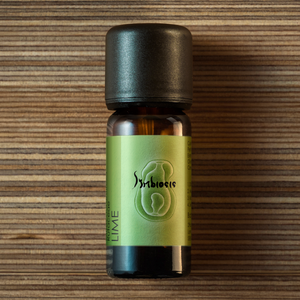


Lemon | Citrus limonum 10mL
£8.00
Size: 10mL
Country of origin: ITALTY
Botanical family: RUTACEAE
Extracted from: FRUIT PEELS
Extration method: COLD PRESSED
Note: TOP
Blends well with:
Peppermint — Combines bright citrus with cool mint into something overtly energizing and clarifying. The blend becomes purely functional—wake up, focus, clear your head. → Stimulation
Lavender — Softens the sharp citrus with floral calm, making it more balanced and approachable. The blend becomes more about gentle clarity than aggressive cleaning. → Restoration
Rosemary — Adds herbal sharpness that makes the brightness more about mental focus than physical cleanliness. The blend becomes more cognitive, more study-appropriate. → Productivity
Ginger — Combines cooling citrus with warming spice in interesting contrast. The blend becomes more dynamic, more about energy that's both bright and grounded. → Stimulation
Shelf life: Keep in a cool, dark place in a tightly sealed amber/black bottle. 1-2 years
Precautions: Phototoxic; avoid direct sunlight 12-24 hrs after topical use.
Bright, clean, and unmistakably citrus—like cutting into a fresh lemon and releasing that sharp, tart spray of zest and juice that makes your mouth water instantly.
The opening is intensely fresh and slightly acidic, with a green brightness that's more peel than juice, more zest than pulp. There's a subtle sweetness underneath that balances the tartness, but the dominant impression is that clean, clarifying sharpness that cuts through everything else.
As it develops, you notice hints of bitter white pith and a faint floral quality, almost neroli-like, with a light, airy quality that doesn't linger heavily but lifts and then fades clean. The scent is transparent and uncomplicated—what you smell initially is what you get, no hidden layers or surprises. It smells like cleanliness itself, like surfaces wiped down, like air cleared of staleness, like morning light in a kitchen where everything has been put back in order. There's an honesty to it, a straightforwardness—it doesn't try to be anything other than exactly what it is.
Lemon is the person who believes most problems would improve with basic organization, fresh air, and actually addressing what's in front of you rather than complicating it. They're practical and efficient without being cold—they simply see no reason to make things harder than they need to be. They're the friend who helps you clean when you're overwhelmed, who suggests the obvious solution you've been overlooking, who believes that clarity comes from clearing clutter rather than from deep analysis.
Conversation with them is straightforward and often action-oriented; they're less interested in processing feelings and more interested in what you're actually going to do about the situation. You leave their company feeling either refreshed and ready to tackle things, or slightly dismissed if you wanted emotional support more than practical advice.
Color: Bright yellow with white undertones, like lemon zest in sunlight. Clean, transparent, no muddiness—the color of early morning light reflecting off pale surfaces.
Texture: The cool spray of citrus mist, the slight sting of lemon juice on a small cut, the smooth coolness of citrus peel. Sharp, clean, activating—nothing soft or lingering.
Architecture & Interiors: Italian lemon grove villas and Mediterranean kitchen courtyards (1700s-1900s)—practical working spaces where citrus is grown, harvested, and processed, where cleanliness and brightness are functional requirements. Think Amalfi Coast terraced lemon groves with adjacent processing areas, Sicilian farmhouse kitchens with outdoor washing areas, or Provençal mas with citrus trees in courtyards.
Architecture: White-washed or pale yellow stucco walls that reflect rather than absorb heat and light, terracotta tile roofs and floors that shed water easily, outdoor sinks and work surfaces made of stone or tile for easy cleaning, large doorways and windows for cross-ventilation, pergolas providing dappled shade over outdoor work areas.
Interiors: Simple wooden or tile surfaces that can be scrubbed down, open shelving displaying everyday dishes and glass storage jars, copper or ceramic bowls for lemons, minimal fabric (it traps moisture and smells in warm climates), the smell of citrus always present from fruit stored nearby or peels dried for use.
Spaces designed around the practical work of processing food—where surfaces get messy and need to be cleaned multiple times daily, where brightness helps you see what you're doing, where fresh air carries away the intensity of citrus oils being released.
Sound: The slice of a knife through citrus, juice hitting a bowl, the splash of water washing down surfaces. The rustle of leaves in citrus trees, birds, the efficient sounds of work being done without fuss.
Lemon makes a space feel clean and ready—not sterile or cold, but cleared and prepared for whatever comes next. It's the scent of a kitchen after you've cleaned up from cooking, a bathroom after it's been properly scrubbed, a workspace where surfaces are clear and nothing is cluttering your ability to focus.
Some people use it when they need to reset a space, when staleness or clutter has accumulated and needs to be addressed, when the goal is simply to return to baseline cleanliness and order. It clarifies. It creates an atmosphere where mess feels less acceptable, where starting fresh is easier because the space itself feels clean and ready.
For those building a Productivity bond with their home, Lemon creates the sense that this space supports clear thinking by maintaining clear surfaces—that physical order enables mental order, that you can't think straight in chaos, that sometimes the best thing you can do is clean your space and start again.
For others, it supports Storage by making the work of organizing and maintaining feel more manageable—the scent itself makes you want to wipe things down, put things away, keep only what actually serves rather than what merely accumulates.
Remarks: The information provided on this website is for educational purposes only and may not be entirely accurate or complete. It is not intended to diagnose, treat, cure, or prevent any disease. Please note that the photos of the plants are intended to represent the typical appearance of each plant, but may vary based on location, growing conditions, and time of year. We recommend consulting with a healthcare professional before using any essential oils if you are pregnant or breastfeeding, or have any underlying health issues.