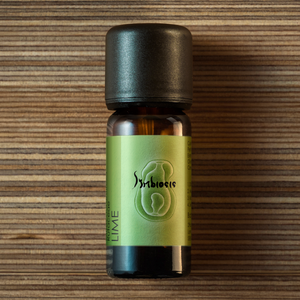


Mandarin | Citrus nobilis 10mL
£6.50
Size: 10mL
Country of origin: ITALY
Botanical family: RUTACEAE
Extracted from: FRUIT PEEL
Extration method: COLD PRESSED
Note: TOP
Blends well with:
Sweet Orange — Deepens the warm citrus sweetness into something with more juice and less powder, the two oils sharing the limonene warmth but sweet orange pulling the blend toward a fuller, more openly fruity register. A kitchen or a living room in the morning. → Kinship
Lavender 50/52 — Softens the sweet brightness toward something quieter and more settled, the linalyl acetate bridge carrying the blend from the morning register toward the early evening, the mandarin sweetness keeping the lavender from becoming too austere. → Restoration
Neroli — Warms the floral quality already present in mandarin's methyl anthranilate heart, the two oils sharing a sweet-floral register that the blend makes more complex and more sustained than either achieves alone. → Kinship
Chamomile Roman:— Deepens the soft, approachable sweetness into something with more body and warmth, the two oils meeting at their shared quality of uncomplicated gentleness. A child's room or a family sitting room in the evening. → Restoration
Bergamot — Lifts the warm sweetness with a citrus brightness that introduces more complexity without losing the approachability, the bergamot's floral depth meeting mandarin's methyl anthranilate in the same register. → Stimulation
Shelf life: Keep in a cool, dark place in a tightly sealed amber or black bottle. 1 - 1.5 year
Precautions: Dilute before skin application. Suitable for use around children at appropriate dilution. Avoid during the first trimester of pregnancy. Not for internal use.
The opening is bright and immediately sweet: the limonene warmth arriving without the tartness or astringency that lemon or lime carry alongside it. The sweetness is natural rather than artificial, the methyl anthranilate giving it a faint floral-grape quality that is specific to mandarin and absent from every other citrus oil in the range. As the heart develops, this quality deepens into something slightly powdery, warm and round, the citrus brightness softening into something closer to the fruit peeled and held in a warm hand than to the spray of freshly cut zest. The dry-down is quiet and slightly vanilla-adjacent, the sweetness sustained well past the point where lemon or lime have already cleared. Sweet orange is the closest comparison in the range: also warm and round, but juicier and less powdery, without mandarin's specific floral depth. Mandarin is where the citrus family becomes uncomplicated and makes no apology for it.
Mandarin is the person who makes ordinary moments feel worth marking. The lightness they carry is not performed; they simply have a genuine preference for what is good in a situation over what is difficult, which is not the same as naivety. They remember to celebrate small things: the first day of something, the end of something, the Tuesday that deserves a treat for no particular reason. There is a quality of ease in their company that does not require effort to maintain. Conversation with them is playful and unhurried, the kind that leaves you feeling lighter than you arrived without being able to identify a specific reason. You leave thinking the world has a little more in it than you had been giving it credit for.
Colour:
The colour is soft orange with golden undertones, the colour of mandarin segments held up to warm afternoon light: not the sharp yellow of lemon or the electric green-white of lime, but a warm peachy-coral that carries no edge. There is a pale gold in the heart, the colour of the fruit's inner membrane, warm and slightly translucent, and the powdery dry-down registers as a shift toward a softer, more diffuse version of the same palette, as though the colour has been seen through gauze rather than directly.
Texture:
In the air it has the slight give of a ripe mandarin segment under gentle pressure: no resistance, no sharpness, a yielding softness that is unusual in the citrus family. The methyl anthranilate quality adds a faint powderiness, the texture of something that has been dried and softened rather than cut fresh, and the warmth of the limonene carries through without the astringency that makes other citrus oils feel sharp at the surface.
Architecture:
The plan is east-facing and morning-oriented: a bay window that brings the room forward into the garden, the glazing arranged to catch early light across a wide angle rather than directing it as a single stripe. The ceiling is at a domestic height, the room proportioned for daily family use rather than for occasion, the volume warm and slightly enclosed without being compressed. Painted woodwork in pale cream or soft white at the skirting and the window frame, the colour chosen to hold the morning light rather than to make a statement. The floor is carpeted or covered in something soft underfoot, the sound of the room muffled and domestic. The body moves to the window, settles into the window seat, feels the morning sun on the forearm. Mandarin runs as a warm sweet current through the lower volume of this room in the morning hours, the scent the plan holds at the level of the table where breakfast happens, rising when the fruit is peeled and staying as a gentle presence in the warm air.
Interior:
A round table with four chairs pulled close, the surface carrying the rings of many mornings: the mark of a mug set down without a coaster, the slight stickiness where juice has dripped and been wiped but not entirely removed. A bowl of fruit at the centre, the mandarins at the top because they were bought most recently. Simple china in everyday use, the pattern worn at the rim where hands have lifted cups thousands of times. A child's drawing pinned to the wall without a frame. The hand peels a mandarin, the oil releasing from the skin in a fine spray, the segments separating easily. The patina here is entirely of use and affection: no surface has been preserved, everything has been touched. The scent gives the room its quality of gentle warmth, the sweet powdery current that rises from the peeled fruit and the warm morning air together, making the ordinary fact of being in this room at this hour feel like something worth being present for.
Sound:
The quiet peel of mandarin skin separating from the fruit in one piece, a soft tearing sound with no sharpness, the citrus spray audible only as a faint hiss. Then the sound of segments separating, easy and unhurried. The acoustic is soft and domestic: carpet and curtain absorbing the room's sounds, conversation at a volume that does not require effort. Where lime is the crack of ice, mandarin is the peel: the same citrus family, the opposite register, the sound of something given rather than something demanded.
Kinship:
Mandarin in a breakfast room, a family kitchen, or a living room where people gather without occasion creates a quality of welcome that does not require preparation or formality. The sweetness of the methyl anthranilate, the warmth of the limonene, makes the room feel as though it has been organised around the comfort of whoever is in it rather than around any other purpose. The Kinship this enables is the everyday version: not the gathering of occasion but the ordinary Tuesday when everyone happens to be in the same room at the same time and the room makes that feel sufficient.
Restoration:
Mandarin's restoration is the gentlest in the range. It does not address difficulty, as German chamomile does, or enable surrender, as clary sage allows. It simply offers sweetness and light in a register that makes rest feel natural rather than effortful, the way an uncomplicated afternoon makes the body slower without anything having been resolved. In a child's room at the end of the day, or in any space where the goal is the mild restoration of ordinary pleasure rather than recovery from something specific, this is the quality the scent makes available.
Remarks: The information provided on this website is for educational purposes only and may not be entirely accurate or complete. It is not intended to diagnose, treat, cure, or prevent any disease. Please note that the photos of the plants are intended to represent the typical appearance of each plant, but may vary based on location, growing conditions, and time of year. We recommend consulting with a healthcare professional before using any essential oils if you are pregnant or breastfeeding, or have any underlying health issues.