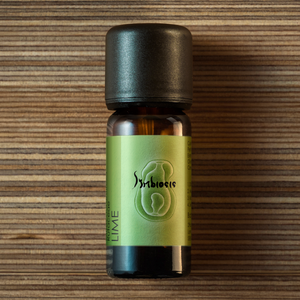


Nutmeg | Myristica fragrans 10mL
£12.50
Size: 10mL
Country of origin: INDONESIA
Botanical family: MYRISTICACEAE
Extracted from: SEEDS
Extration method: STEAM DISTILLATION
Note: MIDDLE
Blends well with:
Orange — Brightens the heavy spice with citrus lift, making it more about celebration than contemplation. The blend becomes festive without losing sophistication. → Kinship
Lavender — Softens the intensity into something more about rest than richness. The blend becomes about comfort that's both sensual and relaxing—warm baths, clean sheets, recovery. → Restoration
Clove — Doubles down on the spice, creating something almost too intense—medicinal warmth that borders on overwhelming. The blend becomes about deep heat and old-fashioned remedies. → Intimacy
Sandalwood — Adds creamy wood that smooths the sharp edges. The blend becomes more about quiet luxury than aromatic punch—less kitchen, more private study. → Storage
Shelf life: Keep in a cool, dark place in a tightly sealed amber/black bottle. 2-3 years
Precautions: Avoid during pregnancy; dilute and use moderately.
Warm and penetrating, with an immediate sweet-spicy kick that's almost peppery. There's a resinous, slightly oily richness—like the inside of a wooden spice drawer that's absorbed decades of use, holding the memory of everything it's stored. Not just the ground spice you know from baking; this is deeper, more complex: burnt sugar meeting camphor, with a faint medicinal edge that keeps it from being purely comforting.
There's something slightly narcotic about it, a heaviness that settles in the back of your throat and lingers. Woody-sweet with bitter undertones, like chewing on a seed that's both aromatic and astringent at once. As it develops, you notice layers—sweet warmth on top, darker woody-resinous depth underneath, occasional flashes of something almost mentholic. It smells old-world and mercantile, the kind of scent that traveled in ship holds and was once worth its weight in silver, that built fortunes and changed the course of empires.
Some find it deeply comforting in a grown-up way—cozy without being innocent. Others find it too heavy, too intense, too redolent of excess and indulgence.
Nutmeg is the person who knows exactly how much spice a situation needs, not so much it overwhelms, not so little it goes unnoticed. They have quiet authority; when they speak, people listen, not because they demand attention but because they've clearly thought things through and speak with earned confidence. There's warmth there, but it's not indiscriminate, they're selective about where they direct their energy, choosing depth over breadth in relationships.
They're the friend who brings structure to chaos without being controlling, who can turn an ordinary evening into something memorable just by being present and knowing what matters. They have old-fashioned competence: they know how to make things from scratch, how to fix what's broken, how to host without fuss or anxiety.
There's a sensuousness to them that's more about appreciation than display—good food, good materials, good craft. Time with them feels both comforting and slightly intoxicating, like a third glass of wine that tips an evening from pleasant into memorable.
Color: Deep russet-brown with amber lights, like polished mahogany or strong black tea with honey. Burnt orange fading into cinnamon, with flashes of golden-brown like autumn leaves still clinging to oak branches. The warm brown of well-worn leather or aged terracotta warmed by sun.
Texture: The grain of close-grained hardwood—dense, oily, smooth when polished but with enough texture to feel substantial. The tackiness of tree resin on your fingers, or the dusty-soft feeling of ground spice that's slightly clumped from humidity. Velvet that's been crushed and re-smoothed, holding heat.
Architecture & Interiors: Colonial-era apothecary shops and spice merchants' warehouses (17th-18th century)—timber-framed buildings with thick plank floors darkened by age and constant use, where valuable goods were weighed, sampled, negotiated over. Think Dutch trading houses, English spice merchants' shops, port warehouse offices where commerce and sensory expertise intersected.
Architecture: Exposed ceiling beams darkened by smoke and time, small-paned windows with wavy glass letting in filtered light, wide-plank floors that creak and tell stories, brick hearths for warming samples and keeping spaces habitable, thick walls for temperature control and security.
Interiors: Wooden crates and barrels stamped with exotic trade routes, brass scales and measures for precise commerce, ceramic apothecary jars with hand-lettered labels, thick ledgers bound in leather recording transactions, wooden drawers and compartments for storing different grades of spice. Everything smells faintly of the goods it once held—cinnamon, clove, pepper, nutmeg itself. Spaces where material culture and wealth intersected, where knowing your product intimately was how you stayed in business.
Sound: The deep resonance of a wooden spoon stirring in a heavy pot, the creak of floorboards in an old building settling for the night, the soft thud of closing a leather-bound book. Underneath, the distant murmur of adult conversation in another room—low voices, occasional laughter, the clink of glasses.
Nutmeg makes a space feel inhabited by people who know what they're doing—lived-in with competence and intention. Some people use it in rooms where skill matters: kitchens where actual cooking happens rather than reheating, dining rooms used for meals worth lingering over, studies where serious work gets done in comfortable surroundings. It doesn't make a room feel sacred or urgent; it makes it feel capable and practiced.
For those building a Kinship bond with their home, Nutmeg creates the sense that this space is ready for gathering—not in a fussy way, but with the confidence that comes from knowing how to feed people well, how to make an evening feel intentional without being over-planned.
For others, it supports Intimacy by adding a layer of sensuality that's more about pleasure than seduction—the recognition that physical comfort and aesthetic attention are forms of care worth practicing, that feeding the senses is part of caring for people you love.
Remarks: The information provided on this website is for educational purposes only and may not be entirely accurate or complete. It is not intended to diagnose, treat, cure, or prevent any disease. Please note that the photos of the plants are intended to represent the typical appearance of each plant, but may vary based on location, growing conditions, and time of year. We recommend consulting with a healthcare professional before using any essential oils if you are pregnant or breastfeeding, or have any underlying health issues.