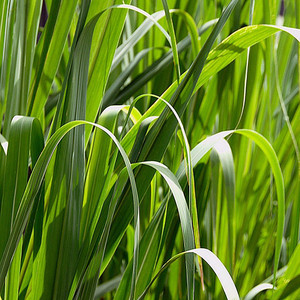


Peppermint | Mentha piperita 10mL
£7.50
Size: 10mL
Country of origin: INDIA
Botanical family: LAMIACEAE
Extracted from: HERB
Extration method: STEAM DISTILLATION
Note: TOP
Blends well with:
Rosemary: Amplifies the mental clarity, the camphoraceous quality of rosemary aligning with peppermint's menthone to produce a blend suited to a workspace where sustained focus is required rather than just initial alertness. → Productivity
Eucalyptus Radiata: Softens the cold shock into something with more airway-opening warmth, the cineole's citrus brightness moderating peppermint's sharpest edge while keeping the clarifying function intact. A bathroom or sickroom. → Restoration
Lemon: Brightens the cold clarity with a citrus freshness that gives the blend more air, the citral of lemon aligning with peppermint's sharpness to produce something that clears a room decisively without the pure menthol cold of peppermint alone. → Productivity
Frankincense: Grounds the sharp volatility into something with structural weight, the resinous dry quality of the frankincense giving the blend a base that peppermint's rapid dissipation does not sustain, the combination suited to a workspace that needs both alertness and stillness. → Productivity
Spearmint: Warms the cold-sharp register into something rounder and more accessible, the carvone sweetness of spearmint moderating peppermint's menthol intensity for a blend that is still clarifying but less physiologically insistent. → Stimulation
Shelf life: Keep in a cool, dark place in a tightly sealed amber or black bottle. Best used within 2 to 3 years.
Precautions: Dilute before skin application. Keep well away from the face of infants and young children; menthol can cause respiratory distress in young children and should not be applied to or near their faces. Avoid during pregnancy and while breastfeeding. Do not apply near mucous membranes undiluted. Not for internal use.
The opening is cold before it is a smell: menthol activating the thermoreceptors before the olfactory system has finished processing what arrived. The sharpness of menthone follows immediately, keeping the cooling sensation from settling into sweetness, the menthyl acetate's fruity softness present only as a very brief moderation before the clarity reasserts. The dry-down brings a faint herbal bitterness, a green note that is the plant rather than the laboratory, and then the air clears. Spearmint takes the minty family and rounds it toward sweetness with carvone, the cooling effect present but not insistent; peppermint keeps everything at the point of maximum sharpness and maximum cold, the menthol proportion preventing any softening. Eucalyptus radiata shares the register of airway-clearing functional clarity but via cineole's citrus-warmth; peppermint is colder and more physiologically immediate, the difference between clearing and shocking.
Peppermint is the person who is always awake and finds it genuinely puzzling that this requires comment. The alertness is not performance; they simply operate at full capacity as a default and have limited patience for the gradual ramp-up that other people require in the morning or after lunch or at the point in the afternoon when everything slows. They are efficient and direct in the way that cold water is efficient and direct: not unkind, simply without the cushioning that would make the contact more comfortable and slightly less effective. They are good in emergencies because they do not waste the emergency on feelings about it. You leave their company more awake and more capable of what needs doing, whether or not you had planned to be either of those things when you arrived.
Colour:
The colour is bright mint-green verging on teal, with flashes of ice-white at the coldest moments: not the soft celadon of geranium or the dusty sage of clary sage, but a saturated, slightly metallic green-white that carries its own light source. There is a blue-green in the menthol register, the colour of shallow water over white sand, and a chrome-metallic quality in the menthone sharpness, the colour of a surface so clean it reflects everything around it. Nothing here is warm; the palette belongs to bright cold light and surfaces that hold no heat.
Texture:
In the air it has the shock of cold water on the face: not a surface sensation but an event, registering throughout the sinus before the skin has had time to respond. The menthol cooling is tactile rather than merely olfactory, a genuine temperature differential that makes the air feel physically colder than it is. The menthone adds a slight sharpness, the sensation of something with an edge that does not cut but makes itself definitively known. As the dry-down arrives, the texture becomes more herbal and less cold, a faint roughness of plant matter before the air simply clears.
Architecture:
The plan is symmetrical and rational: a classical facade with clean columns at the entrance portico, the geometry precise, the proportions derived from a system rather than from intuition. High ceilings with clerestory windows bring daylight from above, the light white and even, falling on pale marble or limestone without creating shadow or warmth. The grand staircase ascends at the centre of the plan, the body directed upward by the architecture before any decision has been made about direction. The floor reflects light and sound, the acoustic live and precise. The threshold from outside to inside is a distinct event: the portico, the step, the heavy door, the changed quality of air. Peppermint runs as a cold, clean current through the full height of this space at the threshold line, the scent the plan holds at the point of entry where the outside air and the institutional air briefly meet, clarifying before it dissipates into the volume above.
Interior:
Polished floors reflecting light and the undersides of things: the surface so clean that its own reflections become part of the room's visual content. White walls amplifying daylight, the plaster smooth and without incident. Brass fixtures kept bright rather than allowed to patina, the metal surfaces carrying no warmth. Tall windows without heavy curtains, the light unmediated. The furniture, where present, is spare and positioned by function: a reading table oriented toward the window, a chair at right angles to the table. The hand sets a book down on the table, the sound of it on the hard surface immediate and clearly resolved. Nothing in this space has been softened for the body's comfort; everything has been organised for the mind's clarity. The scent gives the room its quality of functional alertness, the cold clean current along the window line and the hard floor surface that makes sitting down to work feel like the obvious and correct thing to do.
Sound:
A tuning fork struck cleanly and held up: the note immediate, high, and precise, travelling the length of its decay without wavering or warming. The acoustic is hard and live, the sound moving quickly through a room with no fabric to catch it. Where eucalyptus radiata is the bell tone that travels its full decay, peppermint is the tuning fork: more clinical, more precisely pitched, the sound of something calibrated rather than simply struck.
Productivity:
Peppermint in a workspace does not motivate; it removes the physiological option of remaining foggy. The menthol's cold shock to the thermoreceptors, the menthone's sharpness in the sinuses, creates an involuntary alertness that the body cannot easily override. In a home office where a deadline is approaching, a study where focus has been elusive, a kitchen where the preparation requires attention, the scent makes the state of alertness immediately available rather than requiring it to be cultivated. This is Productivity as environmental condition rather than personal achievement.
Stimulation:
Peppermint's stimulation is the most physiologically direct in the range. It does not raise curiosity or delight; it raises the body's functional alertness through a mechanism that bypasses the mind's preference for comfort. In a bathroom for morning routines that need to happen quickly, or in any space where the transition from one state to another needs to be abrupt rather than gradual, the scent creates the quality of a threshold crossed rather than approached.
Remarks: The information provided on this website is for educational purposes only and may not be entirely accurate or complete. It is not intended to diagnose, treat, cure, or prevent any disease. Please note that the photos of the plants are intended to represent the typical appearance of each plant, but may vary based on location, growing conditions, and time of year. We recommend consulting with a healthcare professional before using any essential oils if you are pregnant or breastfeeding, or have any underlying health issues.