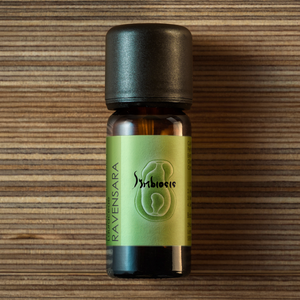


Thyme Linalol | Thymus vulgaris 10mL
£11.50
Size: 10mL
Country of origin: SPAIN
Botanical family: LAMIACEAE
Extracted from: LEAVES & STEMS
Extration method: STEAM DISTILLATION
Note: MIDDLE
Blends well with:
Bergamot — Brightens the herbal sweetness with citrus clarity, making it more about cheerful freshness than gentle care. The blend becomes lighter, more morning than evening. → Stimulation
Cedarwood — Grounds the airy herb with woody depth, adding structure and warmth. The blend becomes more about steady presence than gentle action. → Storage
Clary Sage — Softens both oils into something more about calm restoration. The blend becomes less about practical care and more about quiet recovery. → Restoration
Frankincense — Adds contemplative depth that elevates the herbal into something more ceremonial. The blend becomes about tending as ritual rather than routine. → Intimacy
Shelf life: Keep in a cool, dark place in a tightly sealed amber/black bottle. 3-5 years
Precautions: Dilute well; avoid during pregnancy.
Herbal and sweet, much softer than you'd expect from thyme. There's a bright, almost citrusy top note with hints of lemon and fresh green leaves, then a warm, slightly spicy middle that's recognizably thyme but without the medicinal harshness of the common kitchen herb. There's a floral sweetness underneath—the linalool softening everything—with a subtle woody-earthy base and faint camphoraceous edge that gives it depth.
It smells like a gentler version of the Mediterranean hillside: sun-warmed herbs, honey, wildflowers, and dry earth, but approachable rather than intense. Fresh without being sharp, warming without being hot. The scent is comforting in a practical way—like the smell of a well-stocked kitchen garden or a pot of soup simmering with fresh herbs added at just the right moment. It has depth and complexity but remains light, almost airy.
Some find it perfectly balanced—herbal enough to be interesting, sweet enough to be welcoming. Others find it too middle-ground, neither bold enough to be memorable nor simple enough to disappear.
Thyme Linalool is the person who's genuinely helpful without making you feel incapable. They're the friend who shows up with soup when you're sick, who remembers you mentioned needing something and brings it next time they see you, who offers assistance in a way that doesn't create obligation or debt. There's warmth to them, but it's expressed through action rather than sentiment or emotional declarations. They're practical and grounded—they know how things work, how to make things better, and they do it without fanfare or seeking recognition.
They're not dramatic or intense; they're steady. They create spaces where people feel cared for without feeling managed or infantilized. There's a gentleness to them that doesn't mean weakness—they have clear boundaries and strong opinions, but they don't need to prove anything or win arguments.
They're the person who makes you feel like everything will probably be okay, not because they're blindly optimistic but because they're competent and present. Time with them feels nourishing in a simple way, like good food or a proper rest. You leave feeling tended to, like someone paid attention to what you actually needed.
Color: Soft green-gold, like honey infused with herbs. Pale amber, spring green, the warm beige-gold of afternoon light through gauze curtains. Colors that suggest both freshness and warmth, green meeting gold.
Texture: The slight stickiness of honey, the velvety softness of fresh herbs between your fingers, or the feeling of warm flannel that's been washed many times. Comfortable, approachable textures—nothing harsh or scratchy.
Architecture & Interiors: Provençal farmhouses and cottage gardens (18th-20th century)—humble, practical buildings surrounded by useful plants, where architecture and agriculture blend. Think French mas, English cottage kitchens, Italian cascine—buildings where thyme grows by the door because of course it does.
Architecture: Thick stone walls plastered and whitewashed, small windows with shutters, terracotta tile roofs, outdoor bread ovens built into walls, kitchen gardens against south-facing walls for maximum sun, paths worn between house and garden.
Interiors: Exposed beams darkened by age and smoke, stone or tile floors, open shelving with everyday crockery, dried herbs hanging in bunches from rafters, copper pots showing honest wear, wooden tables scrubbed clean daily, linen curtains filtering light, earthenware vessels for storing oil and honey. Everything serves daily life; beauty emerges from use and care rather than decoration. Spaces designed around the rhythms of food and seasons, where cooking and living happen in the same warm rooms.
Sound: A wooden spoon stirring in a pot, herbs being chopped on a cutting board, the quiet of a kitchen where someone's cooking but not in a rush. The sound of care being taken—gentle, rhythmic, purposeful.
Thyme Linalool makes a space feel tended and nourishing. Some people use it in rooms where care happens: kitchens where actual cooking feeds actual bodies, rooms where people recover from illness with attention and time, spaces where children are looked after with patience rather than performance. It doesn't excite or transform; it sustains.
For those building a Kinship bond with their home, Thyme Linalool creates the sense that this space is fundamentally generous—that care is offered here without keeping score, that nourishment (physical, emotional) is simply what happens rather than something performed.
For others, it supports Restoration in the most practical sense: by making rest feel like something you do rather than something you hope for, by reminding the body that healing involves being fed, warmed, and gently supported.
Remarks: The information provided on this website is for educational purposes only and may not be entirely accurate or complete. It is not intended to diagnose, treat, cure, or prevent any disease. Please note that the photos of the plants are intended to represent the typical appearance of each plant, but may vary based on location, growing conditions, and time of year. We recommend consulting with a healthcare professional before using any essential oils if you are pregnant or breastfeeding, or have any underlying health issues.