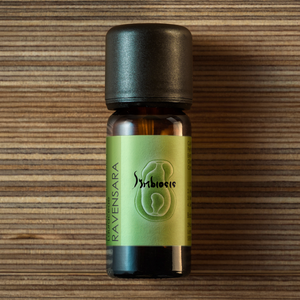


Thyme Linalol | Thymus vulgaris 10mL
£11.50
Size: 10mL
Country of origin: SPAIN
Botanical family: LAMIACEAE
Extracted from: LEAVES & STEMS
Extration method: STEAM DISTILLATION
Note: MIDDLE
Blends well with:
Lavender 50/52: Deepens the linalool character, the two oils sharing their dominant chemistry in different contexts, the lavender's floral warmth meeting thyme linalol's herbal-citrus brightness for a blend that is both calming and gently interesting. A bedroom or a sitting room used for recovery. → Restoration
Lemon: Brightens the citrus top into something more immediately fresh and clarifying, the citral of lemon aligning with thyme linalol's opening brightness to produce a blend suited to a kitchen or a workspace in the morning. → Productivity
Chamomile Roman: Deepens the gentle warmth into something softer and more specifically restorative, the two oils meeting at their shared register of uncomplicated, unhurried care. → Restoration
Frankincense: Grounds the warm herbal sweetness into something with more structural depth, the resinous dry quality of the frankincense giving the blend a base that thyme linalol's lighter dry-down does not sustain alone. → Intimacy
Geranium: Warms the herbal-citrus opening into something with a rosy complexity, the two oils sharing a linalool-adjacent chemistry while the geranium's isomenthone gives the blend a defined edge that thyme linalol withholds. → Kinship
Shelf life: Keep in a cool, dark place in a tightly sealed amber or black bottle. Best used within 2 to 3 years.
Precautions: Dilute before skin application. Avoid during pregnancy and while breastfeeding as a precaution. Not for internal use.
The opening is bright and slightly citrusy: the linalool carrying a green-herbaceous freshness that is recognisably thyme in its family but without the phenolic sharpness that common culinary thyme delivers. A faint lemon quality runs through the top, the linalyl acetate adding a fruity brightness alongside the herb. As the heart develops, the linalool warmth deepens into something more floral and slightly spiced, a honey-herb quality that belongs to sun-warmed plants rather than to extracted medicine. The dry-down is warm and slightly woody, the herbal character settled and quiet, the earthiness of the small terpinen-4-ol content present at the very end. Common thyme's thymol chemotype takes the same botanical and drives it into medicinal sharpness that demands attention; thyme linalol takes it in the opposite direction entirely, the linalool's softening effect so complete that the result is closer to a gentle herbal floral than to anything that announces its thyme origin loudly. It smells like the herb at the most hospitable moment of its existence.
Thyme Linalol is the person who makes you feel cared for without making you feel managed. The helpfulness is expressed through action rather than through sentiment or declarations about helping: they show up with the specific thing that was needed, they remember what was mentioned casually, they offer assistance in a way that creates no debt and no obligation. There is warmth in them but it is practical warmth, the warmth of someone who knows how things work and simply does what needs doing. They are steady rather than dramatic, present rather than intense, the kind of company that makes everything feel slightly more manageable than it did before they arrived. Time with them is nourishing in the way that good food is nourishing: uncomplicated, reliably good, felt rather than analysed.
Colour:
The colour is soft green-gold, like honey infused with fresh herbs: not the sharp yellow of lemon or the vivid green of lemongrass, but a warm, slightly amber-tinged gold with green running through it, the colour of afternoon light through gauze curtains in a south-facing room. There is a pale spring green in the citrus-bright opening and a warm amber in the linalool heart, the two tones meeting at the point where the herb is at its most hospitable. The dry-down resolves into a warm beige-gold, the colour of old linen that has been washed many times and held the warmth of many different afternoons.
Texture:
In the air it has the slight stickiness of fresh herbs between the fingers before the oil fully releases: not smooth, not rough, with a warm give that registers as alive rather than processed. The linalool softness gives the air a quality of gentle presence without weight, and the linalyl acetate adds a very faint fruitiness that reads as texture rather than as sweetness, a slight viscosity to the air that resolves quickly into the warm herbal base.
Architecture:
The plan is south-facing and kitchen-centred: thick stone walls with a kitchen garden against the warmest exterior face, the planting within arm's reach of the kitchen window, the relationship between cooking and growing visible from the place where cooking happens. Small windows with shutters manage the heat; the interior is always cool relative to the midday sun outside. An outdoor bread oven built into the wall, its chimney visible above the roofline. The path between the kitchen door and the herb garden worn smooth by daily use, the stone carrying no loose gravel, only the compressed evidence of the same route taken many times. The body moves through the kitchen door, crosses the path, reaches for a stem, returns. The threshold between inside and outside is a change of temperature rather than a change of purpose; the work continues on both sides of it. Thyme linalol runs as a warm herb-sweet current through the air of this transition, the scent the south wall holds in the heat of the afternoon and releases as the temperature drops, making the daily movement between kitchen and garden feel like the specific and sufficient practice it is.
Interior:
Exposed beams darkened by age and cooking smoke, the timber carrying the colour of many seasons of the same warmth. Open shelving with everyday crockery at the height where the hand reaches without thinking, the position of each object the result of years of the same motion. Dried herbs hanging from a rafter hook, their fragrance released when the kitchen warms. A wooden table, its surface scrubbed pale from daily cleaning, the grain raised slightly from water contact over many years. Earthenware vessels for oil and honey on the shelf below the window, their surfaces warm from the afternoon sun. The hand reaches for the herb bundle, crushes a sprig, returns it. The patina here is of daily cooking and daily care: the table worn at the edge where the same hands have worked, the floor darker in the path between the stove and the table, the copper pot handle smooth where it has been lifted many times. The scent gives the room its quality of sustained, practical warmth, the honey-herb current that rises from the dried bundles and the warm stone and the afternoon light together, making the act of cooking in this room feel like the care it actually is.
Sound:
A wooden spoon stirring in a pot, slow and rhythmic: not the rapid chop of rosemary's focused work or the assertive sizzle of cinnamon leaf's gathering heat, but the quiet sound of something being maintained, tended, kept at the right temperature without urgency. Underneath, herbs being chopped gently on a board, the sound of care being taken rather than efficiency being pursued. The acoustic is soft and absorbed, the old stone and the dried herbs and the linen curtains catching the sound and returning it quieter than it arrived. Where rosemary is the knife moving through preparation with focused intention, thyme linalol is the spoon: the sound of the next stage, after the cutting is done, when the cooking requires only attention and time.
Kinship:
Thyme linalol in a kitchen where actual feeding happens, a dining space where meals are taken seriously as acts of care, or any shared room where the quality of daily life is attended to through the small repeated acts that constitute genuine hospitality, creates a quality of fundamental generosity: care is offered here without keeping score, nourishment is simply what happens in this space rather than something that requires an occasion. The Kinship this enables is the most everyday version: the Tuesday dinner that is made with the same attention as the Sunday one, the cup of tea that appears because someone noticed it was needed.
Restoration:
Thyme linalol's restoration is the most practically nurturing in the range. In a room where someone is recovering from illness, or in a kitchen where the cooking is for someone who cannot cook for themselves, or in any space where the dailiness of care is what the recovery actually requires, the scent creates the quality of a room that knows what it is for and is doing it without fanfare. This is not the restoration of permission or of permission withdrawn; it is the restoration of being fed, warmed, and gently attended to, which is the most foundational form of care.
Remarks: The information provided on this website is for educational purposes only and may not be entirely accurate or complete. It is not intended to diagnose, treat, cure, or prevent any disease. Please note that the photos of the plants are intended to represent the typical appearance of each plant, but may vary based on location, growing conditions, and time of year. We recommend consulting with a healthcare professional before using any essential oils if you are pregnant or breastfeeding, or have any underlying health issues.