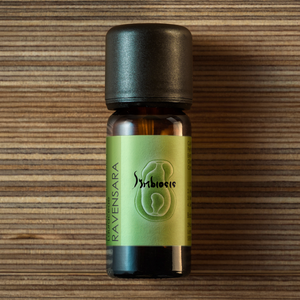


Vetiver | Vetiveria zizanoides 10mL
£17.50
Size: 10mL
Country of origin: INDONESIA
Botanical family: POACEAE
Extracted from: ROOTS
Extration method: STEAM DISTILLATION
Note: BASE
Blends well with:
Frankincense: Lifts the deep earthiness with a cool resinous quality, the two oils meeting at their shared ancient register while the frankincense's vertical quality gives the blend some upward movement alongside vetiver's downward pull. A meditation space or a study. → Restoration
Sandalwood: Warms the mineral depth into something with more skin-adjacent creaminess, the two base oils meeting at their shared quality of exceptional longevity while the sandalwood's warmth moderates vetiver's coldness. → Intimacy
Patchouli: Deepens the earthy register into something denser and more organic, the two oils reinforcing each other's exceptional longevity while the patchouli's surface-earth quality adds a warmth that vetiver's underground character withholds. → Storage
Clary Sage: Warms the smoky earthiness into something more musky and herbal, the sclareol of clary sage meeting vetiver's sesquiterpene depth in a register that is both grounded and bodily. → Intimacy
Cedarwood: Warms the mineral dry-down into something with more horizontal woody weight, the two oils meeting at their shared quality of durable natural materials, the cedar's creaminess softening vetiver's austerity without dissolving it. → Storage
Shelf life: Keep in a cool, dark place in a tightly sealed amber or black bottle. Best used within 4 to 5 years; the heavy sesquiterpene molecules give vetiver exceptional stability. Like sandalwood and patchouli, vetiver may deepen and improve over the first year or two of storage.
Precautions: Dilute before skin application. Avoid during pregnancy and while breastfeeding. Note on viscosity: vetiver is a thick oil that may need gentle warming to pour; do not use direct heat. Not for internal use.
The opening is the only moment of green: the zizanene quality of a fresh root pulled from damp soil, the raw plant present for a few seconds before the sesquiterpene weight takes over. What follows is the full complexity of the deep earth: smoky and woody, with bitter chocolate and coffee-grounds adjacency, a leather note that has nothing to do with the animal it came from and everything to do with the compressed dark it developed in. The dry-down is mineral and ancient, the complexity at its greatest depth, a faint sweetness buried in it like dried fruit in deep soil, present only when everything else has settled around it. Patchouli shares the earthy depth but stays at the surface of the earth, damp and organic; vetiver goes underneath it, into the root system and the mineral layer below. Sandalwood is warm and skin-adjacent; vetiver is cold and ground-adjacent. Myrrh is dark and resinous; vetiver is dark and geological. Nothing in the range pulls downward with the same specificity or the same patience.
Vetiver is the person who is unshakeable not because they are trying to be strong but because they are rooted in something that does not shift with circumstances. The depth takes time to access; surface conversation does not interest them, but they will engage fully if you are willing to go where they already are. When they speak it carries weight, not because they dominate but because it comes from somewhere that most conversations never reach. They remain calm in difficulty not through detachment but through genuine groundedness, the quality of someone who has found the thing that holds and stopped needing to look for it. Time with them slows everything down; you leave feeling more substantial, as though you have remembered you have weight and presence rather than just velocity.
Colour:
The colour is deep brown verging on black, the colour of rich soil after rain, wet tree bark, strong coffee at the bottom of the cup. There is a green-black in the brief opening, the colour of deep forest shadow where light barely reaches the floor, and an occasional flash of mossy green where the rawness of the root is briefly present. The dry-down is mahogany and rust-brown, the colour of aged leather that has absorbed decades of use and carries no memory of its original tone. Nothing here is bright or saturated; the palette belongs to things that exist below the surface rather than on it.
Texture:
In the air it has the feeling of roots under the hand, twisted and substantial: not smooth, not soft, with a density that registers as weight before it registers as texture. The green opening has a slight roughness, the feel of soil-damp plant matter, and then the heart takes over with the dense, slightly rough quality of unpolished wood that has been underground long enough to have become part of the soil around it. The dry-down is the texture of compressed earth under pressure: heavy, slightly resistant, carrying no warmth of its own but holding the warmth of whatever has been above it.
Architecture:
The plan descends rather than rises: an entrance that requires going down, steps cut into the earth, the threshold a point below the surrounding ground level. Thick earthen or rammed earth walls, their mass the primary structural argument, the weight of what is above supported by what is below. Low ceilings, the compression intentional, the volume intimate through density rather than through careful proportion. Minimal windows set into deep reveals, the light entering as narrow columns that change angle through the day. The temperature and humidity remain constant year-round, the building's mass insulating it from the variability of the outside air. The body descends, feels the change in pressure and temperature at the threshold, moves into the interior where the air is different in kind from the air above. Vetiver runs as a deep earthy current through the full volume of this space, so embedded in the walls and floor and the compressed air of the interior that it is indistinguishable from the quality of the space itself, a mineral thread that makes being underground feel like the condition the space was built to express rather than a limitation it works around.
Interior:
Stone floors worn smooth by centuries of footsteps, the surface carrying the colour of long exposure: darker at the centre of the most-used path, lighter at the edges where feet have not worn the original surface away. Exposed beams darkened by time and the accumulated warmth of many bodies in a small space. Everything structural; no decoration that does not serve the function of the room. The natural materials show age without apology: the stone is cracked at the threshold where the temperature differential has worked on it, the timber is checked along the grain from years of drying. The hand rests on the stone wall, feels the coolness of the earth it is made from, the weight of what is above it. The scent gives the space its quality of ancient permanence, the deep earthy-mineral current that rises from the floor and the walls and the compressed air together, making the act of being still in this space feel like the most natural response to what the space itself is doing.
Sound:
The deep, resonant tones of a double bass played with a heavy bow: the sound felt in the chest before the ear has located it, the vibration moving through the floor and the walls as much as through the air. Or complete silence: the particular quiet of being underground where sound is absorbed rather than echoed, the silence that has texture because of what it is absorbing. Where myrrh is the censer in motion, vetiver is the silence after the censer has been set down and the room has taken the smoke fully into itself, the sound of a space that has absorbed so much over so long that it has become its own acoustic.
Storage:
Vetiver in a room where things are kept with genuine seriousness gives the keeping a quality of foundation: what is held here is held by something deeper than shelves and walls, the mass and permanence of the earth itself providing the metaphorical underpinning. This is not the organisational version of Storage or even the sentimental version; it is the geological version, the sense that what is preserved here is preserved against forces larger than circumstance, that permanence is not hoped for but built into the ground the room stands on.
Restoration:
Vetiver's restoration is delivered through weight rather than through ease. In a room where anxiety has made rest impossible by keeping the body in constant low-level motion, the scent does something specific: it makes the body feel heavy enough to actually stop. The grounding is not comfort in the conventional sense; it is the specific relief of feeling substantial rather than untethered, present in the body rather than scattered above it. Some people find this the most restorative quality available to them and others find it too much weight when they needed lightness; the description should be honest about both possibilities.
Remarks: The information provided on this website is for educational purposes only and may not be entirely accurate or complete. It is not intended to diagnose, treat, cure, or prevent any disease. Please note that the photos of the plants are intended to represent the typical appearance of each plant, but may vary based on location, growing conditions, and time of year. We recommend consulting with a healthcare professional before using any essential oils if you are pregnant or breastfeeding, or have any underlying health issues.