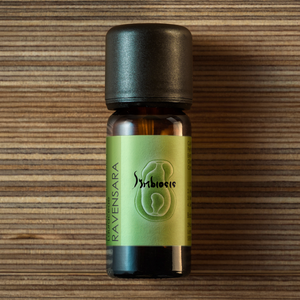



Basil C.T. estragole | Ocimum basilicum 10mL
£10.50
Size: 10ML
Country of origin: INDIA
Botanical family: LAMIACEAE
Extraction from: LEAVES
Extraction method: STEAM DISTILLATION
Note: TOP/MIDDLE
Blends well with:
Lemon — Sharpens Basil's brightness, making the clarity almost bracing. For mornings when you need to think fast. → Productivity
Lavender — Softens Basil's peppery edge without dulling it. The green stays, but the urgency fades. → Restoration
Rosemary — Doubles down on the herbaceous bite—more forest than garden, more focus than ease. → Stimulation
Bergamot — Adds a citrus warmth that makes Basil feel less solitary, more convivial. Like opening the kitchen to guests. → Kinship
Shelf life: Keep in a cool, dark place in a tightly sealed amber/black bottle. 2-3 years
Precautions: Avoid during pregnancy; use in moderation if estrogen-sensitive.
Sweet and herbaceous, but softer than you'd expect from basil. The linalool chemotype takes the sharp, almost peppery bite of common kitchen basil and rounds it into something gentler—still recognizably basil, but with a creamy floral sweetness underneath.
There's that fresh green brightness, the slight anise-like quality, the smell of leaves crushed between your fingers on a summer morning, but it's been smoothed out, made more approachable. Less "pesto and pizza" and more "garden at dawn before the heat arrives."
The opening is bright and clean, then it settles into a warm, slightly spicy-sweet middle with hints of mint and clove, finishing with a subtle woody-herbal dryness. It has clarity without harshness—the scent equivalent of good organization: everything in its place, nothing screaming for attention.
It blends easily, supports other scents without dominating them, and somehow makes whatever it touches feel more composed.
Basil Linalool is the person who gets things done without making a production of it. They're the friend who shows up exactly when they said they would, who remembers what you mentioned needing and brings it next time without fanfare.
There's a quiet competence to them—they're organized but not rigid, focused but not obsessive, helpful without hovering. They create spaces where work feels possible, where clarity emerges naturally rather than being forced.
Conversation with them is easy; they listen well, ask the right questions, and somehow make complicated things feel manageable without oversimplifying. They're warm but not effusive, present but not demanding. You leave their company feeling more capable, like someone just tidied up your mental desk. They don't solve your problems for you, but they help you see what needs doing and make you believe you can do it.
Color: Fresh green with pale cream undertones—like new basil leaves with their slightly fuzzy, silver-green undersides catching morning light. Not the deep forest green of mature herbs, but that tender spring-green that still has innocence to it.
Texture: Smooth cool ceramic, the kind that's been well-made and well-used. Freshly washed linen that's been line-dried and still holds a bit of stiffness. The slight give of herb leaves before they're crushed—tender but resilient.
Architecture & Interiors: Mid-century Scandinavian workspaces (1950s-1970s)—offices and studios designed around the principle that good design supports good work without announcing itself. Think Arne Jacobsen's SAS Royal Hotel offices (Copenhagen, 1960), Alvar Aalto's studio spaces, or the clean functionalism of Finnish modernism.
Architecture: Simple geometric forms, abundant natural light through large windows, blonde wood (birch, oak, ash), white or pale walls that reflect rather than absorb light, built-in storage that keeps surfaces clear.
Interiors: Functional without being cold—wooden desks with clean lines, adjustable task lighting, shelving that serves a purpose, plants that soften the efficiency. Everything is there for a reason, nothing is merely decorative, yet the overall effect is welcoming rather than austere. Spaces where productivity feels natural rather than forced, where order supports rather than constrains.
Sound: The quiet click of a well-made pen, pages turning in a notebook, the soft tap of fingers on a keyboard in a room with good acoustics. The background hum of a workspace where people are focused but not stressed—no urgency, just steady progress. A window slightly open, letting in breeze and distant birdsong.
Basil Linalool makes a space feel ready for work—not in a demanding way, but in a supportive way. It's the scent of a desk that's been cleared, a morning when your mind feels sharp but not wired, a to-do list that's achievable rather than overwhelming.
Some people use it in home offices where focus matters but rigidity would kill creativity, in kitchens where meal prep should feel like care rather than chore, in entryways where the shift from outside chaos to inside order needs to happen gently. It doesn't energize aggressively or calm heavily; it clarifies.
For those building a Productivity bond with their home, Basil Linalool creates the sense that this space supports your work without demanding it—that structure can be flexible, that organization can breathe.
For others, it supports Storage by making the act of tending to things feel manageable rather than burdensome—like the scent of a well-kept pantry or a linen closet where everything has its place and you can actually find what you need.