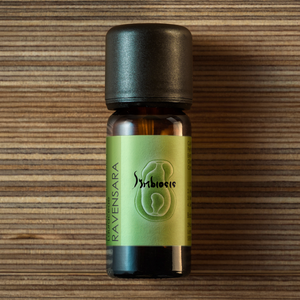



Basil C.T. estragole | Ocimum basilicum 10mL
£10.50
Size: 10ML
Country of origin: INDIA
Botanical family: LAMIACEAE
Extraction from: LEAVES
Extraction method: STEAM DISTILLATION
Note: TOP
Blends well with:
Bergamot FCF: Lifts the anisic sharpness with citrus brightness, softening the noon-garden heat into something more approachable. The kitchen counter at the start of prep, not mid-chop. → Productivity
Lemon: Sharpens the green edge further, the two oils meeting at their shared brightness to cut through a sluggish morning. A hallway passed through ten times before the day properly starts. → Stimulation
Rosemary: Doubles the herbal clarity into something more purposeful and less social, better suited to a desk than a kitchen. → Productivity
Cedarwood: Grounds the volatile top with something that stays, extending basil's brief lift into a longer, steadier undertone. A workshop where the task runs past the first half hour. → Productivity
Clary Sage: Softens the bite with a wine-sweet weight, pulling the blend away from morning urgency toward an unhurried evening kitchen. → Kinship
Shelf life: Keep in a cool, dark place in a tightly sealed amber or black bottle. Best used within 2 to 3 years.
Precautions: This estragole‑type basil is best used in a diffuser. If applied to skin, dilute heavily in a carrier oil. Avoid during pregnancy and while breastfeeding. Do not use with children. Use caution if you have liver conditions. Not for internal use.
The opening lifts fast, anise sweetness and a brief camphoraceous bite arriving together before settling into the herbal body of the scent. The sweetness is the licorice-tarragon kind, never floral, with a coarse green running underneath. Where the linalool chemotype reads as the garden in soft afternoon light, this one reads as the same garden at noon with the sun directly overhead. As it clears, the anisic sweetness fades a beat before the herbal greenness does, leaving a slightly drying spice tail that smells closer to a busy pantry than to a fresh herb bed.
Basil estragole is the person who comes in, says what needs saying, and leaves before you can offer them tea. There is no buffering, no softening, no warming up. The warmth is competent rather than affectionate. The linalool chemotype is the family friend who lingers in the kitchen for an hour after dinner. This one taught you to chop an onion properly, declined the tea, and was already in the car.
Colour:
A high, lit green with a metallic catch where the light strikes it. Less the deep green of basil leaves at full maturity, more the brighter green of young fennel fronds in direct morning sun. A fine silver line runs through it, the silver that flashes off a wet blade in raking light. The linalool chemotype, set beside this, reads as a dustier green that loses chroma by mid-afternoon.
Texture:
The scent's texture snaps cleanly on contact, with no give. Papery beneath that initial snap, with a fine grit that suggests cracked seed husks turned in the palm. A brief glassy quality at the opening breaks within seconds. The linalool chemotype, by comparison, carries a cottony fibre and a slower release.
Architecture:
A narrow working strip running along one wall, ceiling low, the volume contained, scaled for daily use. The threshold carries the weight here: the body enters, moves in one direct line through door, shelf, worktop, hob, then leaves. Apertures are frequent, operable, and set at hand height, so cool straight light crosses the room horizontally and keeps junctions sharp on lime-washed plaster and terracotta plane. This is the farmhouse-kitchen typology played at working scale, with the scent marking the path like a sharp green seam in the air.
Interiors:
Inside the working strip, a worn beech table slightly off-centre, its working end permanently claimed by a chopping board and a steel knife. Linen aprons on plain hooks beside the door, slightly creased from the morning. The shelves are open, holding tightly packed glass jars with handwritten labels in plain view, so the eye and the nose travel the same line. The hand meets unsealed wood, the cool rim of glass, the bare terracotta underfoot taking splashes from the worktop, and the scent gives the whole corner a pantry-clean edge.
Sound: The dry click of a wooden spoon against a metal bowl. A single high pizzicato note on a violin, struck and released before it rings. Underneath, the running rhythm of a small radio playing in the next room, language unknown. The linalool chemotype would call for legato strings in the same key; this one calls for staccato, played short.
Productivity
Basil estragole belongs in the desk space at the moment of beginning, less useful once you have settled in for the long stretch. Diffused in the first half hour of the working day, it sharpens the air enough to make the first decision feel obvious. The volatility is part of the function: it clears before it can become wallpaper, leaving the room to whoever is using it.
Stimulation
In a room that has gone polite, basil estragole introduces a single bracing note that resets the air. It belongs in the kitchen that has become a performance space, the afternoon stretch when attention has gone flat, the hallway you pass through ten times a day without noticing. The wonder it provokes is practical: it finishes one task and opens the next.