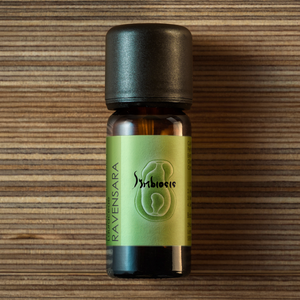


Black Pepper | Piper nigrum 10mL
£12.00
Size: 10mL
Country of origin: INDIA
Botanical family: PIPERACEAE
Extracted from: DRIED PEPPERCORNS
Extration method: STEAM DISTILLATION
Note: MIDDLE
Blends well with:
Ginger — Amplifies the warming spice into something more about physical heat and circulation. The blend becomes more bodily, more about movement and blood flow than mental sharpness. → Stimulation
Bergamot — Lifts the spicy heat with citrus brightness, making it more socially energizing and less confrontational. The blend becomes about dynamic conversation rather than solitary focus. → Kinship
Frankincense — Grounds the sharp spice with resinous depth, adding contemplation to the clarity. The blend becomes more about focused meditation than aggressive alertness. → Productivity
Cedarwood — Softens the pepper with woody warmth, making it less about immediate stimulation and more about sustained strength. The blend becomes more structural, more grounding. → Storage
Shelf life: Keep in a cool, dark place in a tightly sealed amber/black bottle. 2-3 years
Precautions: Black pepper essential oil should always be diluted before use, avoid excessive amounts, and do not use during pregnancy or on sensitive skin to prevent irritation. More Safety Information
Sharp, spicy, and unmistakably peppery—like freshly cracked black peppercorns, but more complex and less purely culinary than you'd expect.
The opening is bright and almost citrusy, with a green, slightly woody freshness that cuts through the air immediately. There's heat to it, but it's dry heat rather than the wet burn of chili—it warms without overwhelming, stimulates without irritating.
As it develops, you notice more layers: a subtle sweetness underneath, hints of pine and resin, something almost floral in the background that softens the initial bite. The spiciness isn't one-dimensional; it has depth, a mineral-like quality, the scent of sun-warmed stone and dried vines rather than just kitchen spice. It clears the senses, makes you breathe more deeply, almost makes you feel more alert just by smelling it.
There's an earthiness at the base—not heavy soil, but the smell of roots and woody stems, things that grow close to the ground and develop strength through resistance. The scent doesn't linger sweet or heavy; it cuts and clarifies, then fades clean.
Black Pepper is the person who tells you the truth even when it's uncomfortable, not because they're cruel but because they respect you enough to be direct. They're sharp-witted and quick, the kind of person who sees through pretense immediately and has no patience for it.
They don't suffer fools, don't waste time on small talk unless it's genuinely interesting, and they'll call out inconsistencies without hesitation. But there's warmth underneath—they're fiercely loyal to people who've earned it, and their honesty comes from caring enough to not let you settle for less than you're capable of. They're energizing to be around in small doses, exhausting in large ones. They push you, challenge you, make you sharper just by proximity.
Conversation with them is stimulating but requires you to be present—they notice when you're phoning it in. You leave feeling either invigorated or slightly bruised, depending on whether you were ready for that level of directness. They don't apologize for taking up space or having strong opinions, and they make no effort to be palatable.
Color: Deep charcoal grey with warm undertones, like freshly ground pepper or volcanic stone in sunlight. Hints of dried green vine, the brown-black of whole peppercorns, flashes of warm terracotta.
Texture: The slight abrasion of rough stone, the dry heat of sun-warmed concrete, the prickle of coarse wool against skin. Sharp without being cutting—more awakening than painful.
Architecture & Interiors: Industrial loft conversions and brutalist interiors (1960s-1990s)—raw, honest spaces that expose structure rather than concealing it, designed for people who want their surroundings unfiltered. Think converted warehouses in Shoreditch or Brooklyn, Le Corbusier's Unité d'Habitation interiors, or Tadao Ando's concrete-and-light compositions.
Architecture: Exposed brick, concrete left bare and unsealed, steel beams and industrial fixtures, large factory windows, high ceilings with visible ductwork, materials chosen for function rather than comfort.
Interiors: Minimal furniture with strong lines (Eames, Le Corbusier, Mies van der Rohe), polished concrete or reclaimed wood floors, Edison bulb lighting, open floor plans with few partitions, art that makes statements rather than matches décor. Spaces that challenge rather than soothe, where every element earns its place through purpose rather than prettiness.
Sound: The crack of wood splitting, the strike of flint on steel, rapid-fire typing on a mechanical keyboard. Sharp, percussive sounds—hand claps, drumsticks on rim shots, the snap of fingers. No background music; if there's sound, it's intentional and clear.
Black Pepper makes a space feel awake and uncompromising. It's the scent of a room where real work happens, where you show up fully or not at all, where mediocrity isn't tolerated—not harshly, but simply because the space demands better.
Some people use it in studios where creative work requires honest self-assessment, in gyms or training spaces where physical effort is the point, in offices where decisions need to be made quickly and clearly without second-guessing. It doesn't comfort or coddle; it sharpens. It cuts through brain fog, indecision, the comfortable numbness of routine.
For those building a Productivity bond with their home, Black Pepper creates the sense that this space respects your time and intelligence—it won't let you hide behind excuses or half-efforts.
For others, it supports Stimulation in the most direct way: not gentle encouragement but a clear signal that it's time to engage, focus, move, think harder.
Remarks: The information provided on this website is for educational purposes only and may not be entirely accurate or complete. It is not intended to diagnose, treat, cure, or prevent any disease. Please note that the photos of the plants are intended to represent the typical appearance of each plant, but may vary based on location, growing conditions, and time of year. We recommend consulting with a healthcare professional before using any essential oils if you are pregnant or breastfeeding, or have any underlying health issues.