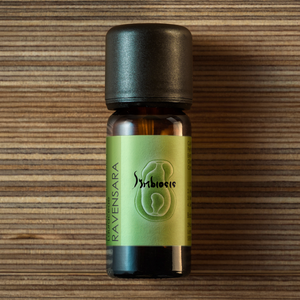


Black Pepper | Piper nigrum 10mL
£12.00
Size: 10mL
Country of origin: INDIA
Botanical family: PIPERACEAE
Extracted from: DRIED PEPPERCORNS
Extration method: STEAM DISTILLATION
Note: MIDDLE
Blends well with:
Cardamom: Softens the dry snap with a floral-aromatic sweetness, rounding the pepper's edge without dulling it. A studio at the point where focus needs company rather than more demand. → Productivity
Ginger: Sharpens the heat further, both oils pulling the blend toward something more directional and dry. A cold morning kitchen where the body needs convincing to start moving. → Stimulation
Frankincense: Deepens the dry base into something slower and more resinous, tempering the pepper's severity into resolve rather than urgency. A desk at the end of a long project. → Productivity
Bergamot FCF: Lifts the charcoal weight with citrus brightness, making the demand feel less like an order and more like an invitation. A morning studio rather than a night shift. → Stimulation
Sandalwood: Warms the bare concrete register with cream and wood, giving the blend somewhere to land after the initial cut. A room used for both work and its aftermath. → Restoration
Shelf life: Keep in a cool, dark place in a tightly sealed amber or black bottle. Best used within 2-3 years.
Precautions: Always dilute before use on skin. Avoid during pregnancy. Avoid on sensitive or damaged skin. Keep away from eyes and mucous membranes. Not for internal use. More Safety Information
A green-citrus brightness comes off the top, with a slight pine-resin edge that reads almost coniferous, more turpentine-clean than kitchen-spice. The heart settles into the warm woody snap of caryophyllene, dry, clove-edged, with a mineral quality underneath that brings sun-warmed stone and dried vines to the air. The base goes drier still, the smell of roots and woody stems, things that draw strength up from the ground rather than down from the sun. Where Cubeb Pepper would smell more medicinal and Pink Pepper more juicy-bright, Black Pepper is the dry one, the aromatic without the wet. It cuts the room clean and fades fast, leaving the air sharper than it found it.
Black Pepper is the person who tells you the truth even when it is uncomfortable, because they respect you enough to be direct. They see through pretense immediately and have no patience for it. They are fiercely loyal to people who have earned it, and their honesty comes from caring enough not to let you settle for less than you are capable of. They are energising in small doses, exhausting in large ones, and they make you sharper just by being in the room. They make no effort to be palatable.
Colour:
Deep charcoal grey with warm undertones, the colour of volcanic stone in late afternoon sun. Beneath, the dry green of pine needles in dust, and flashes of warm terracotta where the light catches the edges. The palette is uncovered, never glossy; each pigment holds light at the surface and nothing sinks in. Pink Pepper would read pinker and lighter in comparison, more like dried hibiscus than basalt.
Texture:
Grainy at first, with the kind of grit that hangs in the air after stone has been dressed. Dry heat to it but no wet burn, only the sense of friction met cleanly. The texture wakes more than it abrades; sharpness is what catches on the breath, with no rough scratch underneath. Where Cardamom would feel silken and warm, Black Pepper is the surface of unsealed terracotta, raised and slightly catching.
Architecture:
Black Pepper builds in the Brutalist register, post-war béton brut through to the 1990s warehouse conversion: poured concrete left unsealed, exposed steel beams, factory windows admitting a single directional shaft of cool light. Le Corbusier's Unité d'Habitation interiors and Tadao Ando's concrete-and-light compositions point at the same spatial vocabulary, where the proportions are austere, the plan open with few partitions, and every material is chosen because it carries its weight at the structural level. The body enters and stays upright, the eye drawn first to the way light catches a single edge of concrete. Where Cardamom's architecture would be warmer and more enclosed, this is the bare shell where the scent runs along the lit edge like a thin sharp current, cutting the volume without softening it.
Interior:
At room scale, function makes the choices. Furniture in the modernist register: clean lines, visible joinery, low silhouettes that show their structure. Polished concrete underfoot, an Edison bulb low over a worktable that has been worked at. The patina here is honest: leather darkened by hands, brass tarnished by use, wood worn smooth at the spots where the hand returns. Where Cardamom's interior would dress the space in textile and warmth, Black Pepper leaves the surface bare, the scent giving each working edge a clean point that the eye and the nose travel together.
Sound:
The crack of wood splitting, the strike of flint on steel, the rapid-fire of mechanical keys under fingers. The percussive register at its most specific: hand claps, drumsticks at the rim shot, the snap of fingers. No background music in the room; if sound is here, it is intentional. Where Cardamom's sound would be a warm Hammond organ chord, Black Pepper is the staccato xylophone phrase, struck and gone.
Productivity:
In a studio where creative work needs honest self-assessment, or an office where decisions need to be made cleanly, Black Pepper makes the space awake. It cuts through brain fog, indecision, the comfortable numbness of routine.The room does not let you hide behind half-efforts; it respects your time and your intelligence and asks the same in return.
Stimulation:
In a gym or a training room, at a desk where the work has gone soft, Black Pepper gives the clear signal to engage. It does not coax. It tells you to focus, move, think harder, and the room sharpens around the demand.
Remarks: The information provided on this website is for educational purposes only and may not be entirely accurate or complete. It is not intended to diagnose, treat, cure, or prevent any disease. Please note that the photos of the plants are intended to represent the typical appearance of each plant, but may vary based on location, growing conditions, and time of year. We recommend consulting with a healthcare professional before using any essential oils if you are pregnant or breastfeeding, or have any underlying health issues.