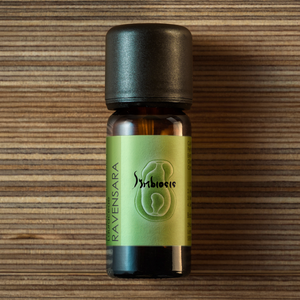


Carrot Seed | Daucus carota 10mL
£11.50
Size: 10mL
Country of origin: INDIA
Botanical family: APIACEAE
Extracted from: DRIED SEEDS
Extration method: STEAM DISTILLATION
Note: BASE
Blends well with:
Cedarwood — Adds warm wood to the earthy root, making it more about wooden storage than earth storage. The blend becomes more structured, like a well-built shed. → Storage
Vetiver — Deepens the earthiness into something more intense and grounding. The blend becomes darker, more about roots going deep than about harvest. → Restoration
Bergamot — Lifts the heavy earth with citrus brightness, making it more approachable without losing its grounding quality. The blend becomes lighter but stays honest. → Productivity
Geranium — Adds green floral notes that connect the root to the plant above ground. The blend becomes more about the full cycle of growth rather than just preservation. → Kinship
Shelf life: Keep in a cool, dark place in a tightly sealed amber/black bottle. 2-3 years
Precautions: Avoid during pregnancy. More Safety Information
Earthy, dry, and distinctly root-like—like pulling carrots from the ground and smelling the soil still clinging to them, but there's more going on than just "dirt."
The opening is green and slightly bitter, with a woody-herbal quality that's closer to parsley or celery seed than to the sweet orange vegetable. There's a subtle sweetness underneath, but it's more like dried hay or grain than anything fruity—vegetal rather than floral, grounding rather than uplifting.
As it develops, you notice hints of pepper and spice, a faint nuttiness, something almost smoky or balsamic that gives it unexpected depth. It smells like a root cellar, like preserved vegetables in glass jars, like the smell of your hands after working in a garden all afternoon.
There's an honesty to it, an unadorned quality—it makes no attempt to be pretty or appealing, it simply is what it is. T he scent is dry and slightly dusty, with a mineral quality that suggests stone and clay as much as plant matter. It's grounding in the most literal sense: it smells like earth, like things that grow slowly and develop strength underground before showing themselves.
Carrot Seed is the person who's deeply practical in ways that aren't immediately obvious. They're not flashy or charismatic, but they know how things work—how to preserve food properly, how to read soil, how to fix what's broken using what's already available.
They're patient in a way that modern life doesn't reward; they understand that some things can't be rushed, that growth happens underground before it becomes visible.
Conversation with them is quiet and often about the tangible—they're more interested in what you're actually doing than what you're planning or feeling. They have knowledge that comes from paying attention over years rather than reading about things once.
They're not warm in a conventional sense, but there's a steadiness to them that feels like care expressed through competence. You leave their company feeling more connected to physical reality, like someone just reminded you that despite everything, seeds still grow and seasons still turn.
Color: Dried ochre and sienna, the brown-grey of root vegetables and turned soil. Hints of pale straw yellow, the cream of parsnips, the dusty green of carrot tops left to dry.
Texture: Rough burlap, the grit of soil under fingernails, the dry papery feel of seed pods. Slightly scratchy, unrefined, honest.
Architecture & Interiors: Rural vernacular architecture and farmhouse cellars (pre-1900s)—utilitarian spaces built by necessity rather than design, focused entirely on preservation and practicality. Think New England root cellars, French Canadian farmhouse storage, Shaker utility rooms, or English country larders.
Architecture: Below-ground or partially buried spaces for temperature stability, stone or brick walls for insulation and moisture control, small windows for ventilation without light exposure, thick wooden doors, earthen or flagstone floors.
Interiors: Wooden shelving built into walls, ceramic crocks and glass jars for storage, hanging bunches of dried herbs and alliums, baskets for root vegetables, bare stone or whitewashed walls, oil lamps or candles for infrequent visits. Spaces designed purely for function—no decoration, no comfort, just effective preservation of what's been harvested. Rooms that smell like earth and time, where silence is normal and nothing goes to waste.
Sound: The scrape of a spade in soil, seeds rattling in a paper envelope, the rustle of dried plant matter. Minimal sound—more like the absence of noise, the quiet of underground spaces where sound is absorbed by earth.
Carrot Seed makes a space feel grounded and purposeful—connected to cycles of growth, preservation, and sustenance rather than to aesthetic trends or emotional states. It's the scent of a pantry stocked for winter, a workspace where you make things with your hands, a room that values utility over appearance.
Some people use it in kitchens where cooking means actual nourishment rather than performance, in mudrooms where gardening tools are kept, in studios where craft matters more than concept. It doesn't inspire or uplift; it roots. It reminds you that beauty isn't the only value, that some of the most important work is invisible, that there's dignity in the practical and the plain.
For those building a Storage bond with their home, Carrot Seed creates the sense that this space honors what sustains—that keeping, preserving, and tending to basics is as worthy as any other function.
For others, it supports Productivity in a different way: not through stimulation but through reconnection to tangible work, to the satisfaction of hands in soil, to making and mending rather than buying and discarding.
Remarks: The information provided on this website is for educational purposes only and may not be entirely accurate or complete. It is not intended to diagnose, treat, cure, or prevent any disease. Please note that the photos of the plants are intended to represent the typical appearance of each plant, but may vary based on location, growing conditions, and time of year. We recommend consulting with a healthcare professional before using any essential oils if you are pregnant or breastfeeding, or have any underlying health issues.