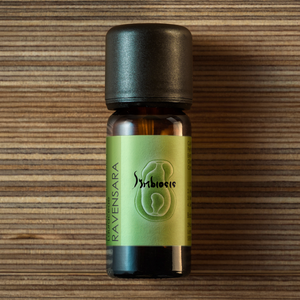


Carrot Seed | Daucus carota 10mL
£11.50
Size: 10mL
Country of origin: INDIA
Botanical family: APIACEAE
Extracted from: DRIED SEEDS
Extration method: STEAM DISTILLATION
Note: BASE
Blends well with:
Cedarwood: Deepens the dry root register with warm wood, both oils sharing a quality of things kept and aged well. A cedar chest opened once a season. → Storage
Orange sweet: Lifts the earthy dryness with a rounder, sunnier sweetness, keeping the pantry from feeling purely functional. A kitchen where preserving is done with some pleasure in it. → Kinship
Frankincense: Anchors the root-cellar dryness into something slower and more resinous, extending the sense of time held rather than time passing. A study where old papers are kept, not just stored. → Storage
Geranium: Warms the green-bitter opening with a rosy complexity, softening the practicality of the scent without losing its dry edge. → Productivity
Black Pepper: Sharpens the earthy base into something more active, better suited to a workbench where the work is urgent rather than slow. → Productivity
Shelf life: Keep in a cool, dark place in a tightly sealed amber or black bottle. Best used within 2-3 years.
Precautions: Avoid during pregnancy, as this oil may interfere with gestation. Not for internal use. More Safety Information
Earthy, dry, distinctly root-like, with the soil-warmth of carrots just pulled from the ground but more complex than dirt. The opening reads green and slightly bitter, closer to parsley seed or celery seed than to the sweet orange vegetable, with a woody-herbal quality underneath. The heart shows traces of pepper and spice, a faint nuttiness, and a surprising apricot edge that catches in the dry-down. The base settles into the smell of a root cellar in late autumn, preserved vegetables in glass jars, the hands of someone who has spent the afternoon turning soil. Drier than Vetiver, dustier than Patchouli, more cellar-than-forest in feel.
Carrot Seed is the person who is deeply practical in ways that aren't immediately obvious. They are not flashy, but they know how things work, how to preserve food properly, how to read soil, how to fix what is broken using what is already to hand. Their patience is the kind modern life does not reward; they understand that some things cannot be rushed, that growth happens underground before it becomes visible. They are not warm in a conventional sense, but there is a steadiness that feels like care expressed through competence. You leave their company reminded that despite everything, seeds still grow and seasons still turn.
Colour:
Dried ochre and sienna, the brown-grey of turned soil and root-vegetable skin. Hints of pale straw yellow, the cream of parsnips, the dusty green of summer grasses gone dormant. Each pigment holds the matte quality of clay, nothing reflective, nothing bright. The palette of late autumn at field-edge, with Vetiver beside it reading wetter, more bronze, more leaf-mould.
Texture:
Rough burlap held against the palm, the grit of soil under fingernails, the dry papery feel of seed pods crushed between thumb and finger. Slightly scratchy, unrefined, honest. Nothing slides; everything catches lightly. Beside Vetiver's wet-rope earth, Carrot Seed is the same earth gone dry, the same texture but with the moisture pulled out.
Architecture:
Carrot Seed builds in pre-industrial vernacular: New England root cellars, French Canadian farmhouse storage, Shaker utility rooms, English country larders. These are spaces built by necessity, partially or wholly below ground for temperature stability, with stone or brick walls thick enough to hold their own moisture, small ventilation windows that let air through without letting much light in, thick wooden doors, earthen or flagstone floors. The body enters and stoops slightly; the air drops in temperature as the body crosses the threshold. Where Bergamot's architecture opens around movement and light, this closes around stillness and storage, with the scent settling into the corners and staying.
Interior:
At room scale, every fixture is built for keeping what has been harvested. Wooden shelving fitted into the walls, ceramic crocks and glass jars in rows along the floor, baskets for root vegetables stacked by the door, hanging bunches of dried herbs and alliums above the table. The patina here is the patina of seasons: the jar lids slightly hazed with cellar dust, the basket rims softened where the hand reaches in, the floor worn smooth in the path from door to shelf, the shelf wood darkened where the autumn pumpkins have rested year after year. Carrot Seed's interior is whitewashed stone and unfinished wood, with the scent giving each shelf the air of a place where things have been kept.
Sound:
The scrape of a spade in soil, seeds rattling in a paper envelope, the rustle of dried plant matter between fingers. Minimal sound otherwise. The acoustic of an underground room, where the earth itself absorbs anything that tries to ring. Where Vetiver's sound would be the bow drawn slowly across a low cello string, Carrot Seed is the dry whisper of seeds passing through a sieve.
Storage:
In a pantry stocked for winter, in a cellar where preserves wait through the dark months, in a drawer at the back of the wardrobe where the woollens have been folded with cedar, Carrot Seed gives the air the quality of a place where things are being kept. The room does not perform. It accumulates slowly, and remembers what has been put aside for later.
Productivity:
At a workbench where something is being mended rather than replaced, in a kitchen where the cooking is feeding, in a studio where the hands stay busy with materials, Carrot Seed brings the Productivity of slow work. The lift is not toward novelty or excitement. The lift is toward the satisfaction of the made thing, the mended thing, the kept thing.
Remarks: The information provided on this website is for educational purposes only and may not be entirely accurate or complete. It is not intended to diagnose, treat, cure, or prevent any disease. Please note that the photos of the plants are intended to represent the typical appearance of each plant, but may vary based on location, growing conditions, and time of year. We recommend consulting with a healthcare professional before using any essential oils if you are pregnant or breastfeeding, or have any underlying health issues.