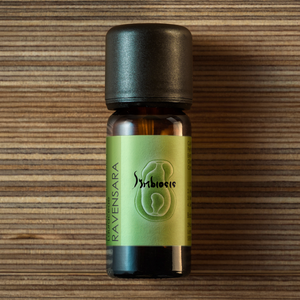


Cedarwood Atlas | Cedrus atlantica 10mL
£8.50
Size: 10mL
Country of origin: MOROCCO
Botanical family: PINACEAE
Extracted from: WOOD
Extration method: STEAM DISTILLATION
Note: BASE
Blends well with:
Benzoin — Adds resinous sweetness to the dry wood, making it more about comfort than structure. The blend becomes warmer, more embracing, like a library with deep chairs rather than a timber frame. → Restoration
Bergamot — Lifts the woody warmth with citrus brightness, making it more about morning clarity than evening shelter. The blend becomes lighter, more about fresh starts than preservation. → Productivity
Rose Otto — Softens the dry wood with floral depth, adding tenderness without losing grounding. The blend becomes more about keeping precious things safe, storage as an act of love. → Intimacy
Black Pepper — Adds spicy sharpness to the steady wood, creating tension between stability and stimulation. The blend becomes more dynamic, about strength that's active rather than passive. → Storage
Shelf life: Keep in a cool, dark place in a tightly sealed amber/black bottle. 4-6 years
Precautions: Avoid during pregnancy; dilute for sensitive skin.
Warm, dry, and unmistakably woody—like standing inside a cedar closet or a freshly built wooden cabin, but softer and more refined than raw lumber.
The opening is clean and slightly sweet, with that characteristic pencil-shavings quality that cedarwood is known for, but there's more complexity underneath: hints of resin and balsam, a subtle smokiness, something almost honey-like that rounds out the dryness. Atlas cedarwood specifically has a smoother, less sharp quality than Virginian or Texas cedar—it's more about sustained warmth than immediate impact, more sandalwood-adjacent in its creaminess.
As it develops, you notice the subtle spice: cinnamon bark, dried tobacco leaf, the smell of old wooden furniture that's been polished with beeswax for decades.
There's a grounding steadiness to it, a scent that doesn't shift or surprise but simply holds. It smells like permanence, like things built to last, like the structural beams of a house that will stand for generations. The dryness is comforting rather than austere—not the dryness of desert but of well-seasoned wood, of storage spaces that keep things safe without trapping moisture.
Cedarwood Atlas is the person who's been the same for as long as you've known them—not because they're rigid, but because they figured out who they are early and saw no reason to perform otherwise. They're steady, reliable, the one everyone calls when things fall apart because they won't panic or dramatize. They're not warm in an effusive way, but they show up. They remember what you told them months ago, they follow through on what they say they'll do, and they create a sense that as long as they're around, the foundation won't crumble.
Conversation with them is straightforward—no hidden agendas, no passive aggression, just direct communication about what is. They're comfortable with silence, with sitting beside you while you work through something without offering unsolicited advice. They're not trying to inspire you or transform you; they're just there, solid and unchanging, which is its own kind of gift. You leave their presence feeling more grounded, like someone just reminded you that not everything has to be complicated or urgent.
Color: Warm honey-brown and amber, the color of aged cedar heartwood or maple syrup held up to light. Hints of golden resin, the pale cream of fresh-cut sapwood, the deeper rust of old barn wood.
Texture: Smooth sanded wood still showing grain, the slight give of a well-worn leather belt, warm stone that's been heated by sun all day. Dry but not brittle—more like cured than desiccated.
Architecture & Interiors: Craftsman bungalows and mountain lodges (1900s-1930s)—homes designed around honest materials, visible structure, and integration with landscape. Think Greene & Greene California bungalows, Adirondack Great Camps, or National Park Service rustic architecture (Timberline Lodge, Oregon, 1938).
Architecture: Low-pitched roofs with deep overhangs, exposed timber framing and bracket details, stone foundations and chimneys, built-in furniture that becomes part of the structure, windows placed to frame views rather than simply admit light.
Interiors: Unpainted wood throughout (Douglas fir, redwood, cedar), built-in benches and window seats, stone fireplaces large enough to heat the room, handcrafted details (hammered copper fixtures, art-glass lighting), rooms that feel smaller and more sheltering than grand. Spaces designed for endurance—built to withstand weather, use, and time without pretending to be anything other than what they are.
Sound: The creak of floorboards that have settled into their place, the soft thud of a well-made wooden door closing, the crack of firewood splitting cleanly. A rocking chair on a porch, footsteps on wooden stairs, rain on a shake roof overhead.
Cedarwood Atlas makes a space feel structurally sound—not just physically, but emotionally. It carries the memory of cedar chests and closets, those intentional containers where valued things were kept safe. The scent itself has that quality of steady holding, of a space that won't shift or surprise you when you need it to stay steady.
Some people use it in rooms where heirlooms are kept or memories are stored, in bedrooms where sleep should feel protected rather than vulnerable, in studies or libraries where accumulated knowledge deserves respect and preservation. It doesn't excite or transform; it anchors. It creates a sense that this space has been here before you and will be here after you, that it's not subject to trends or moods, that it can be trusted.
For those building a Storage bond with their home, Cedarwood Atlas creates the sense that what you keep here will be held with integrity—memories, objects, even difficult truths can rest here without decay.
For others, it supports Restoration not through active healing but through providing a stable base from which recovery can happen—like sleeping in a bed that doesn't creak, in a room that doesn't demand anything.
Remarks: The information provided on this website is for educational purposes only and may not be entirely accurate or complete. It is not intended to diagnose, treat, cure, or prevent any disease. Please note that the photos of the plants are intended to represent the typical appearance of each plant, but may vary based on location, growing conditions, and time of year. We recommend consulting with a healthcare professional before using any essential oils if you are pregnant or breastfeeding, or have any underlying health issues.