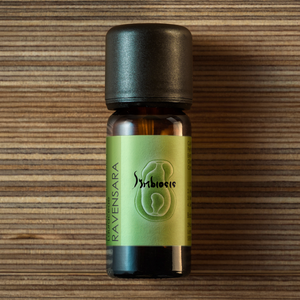


Cedarwood Atlas | Cedrus atlantica 10mL
£8.50
Size: 10mL
Country of origin: MOROCCO
Botanical family: PINACEAE
Extracted from: WOOD
Extration method: STEAM DISTILLATION
Note: BASE
Blends well with:
Benzoin: Deepens the creamy wood into something darker and more resinous, the two base notes meeting at their shared warmth. A study at the far end of a winter evening. → Restoration
Sandalwood: Softens the grain with cream and silk, rounding the wood's dryness into something closer to skin-warmth. A bedroom built for slow mornings, not just sleep. → Restoration
Vetiver: Anchors the dry wood into something rootier and more mineral, the blend reading as a cellar built from timber rather than stone. → Storage
Carrot Seed: Warms the pre-industrial dryness of the cellar with the honeyed patina of aged wood, the two oils sharing a quality of things kept well over time. → Storage
Bergamot: Lifts the heavy timber with citrus brightness, keeping the cabin from tipping into total enclosure. A morning porch rather than an evening study. → Kinship
Shelf life: Keep in a cool, dark place in a tightly sealed amber or black bottle. Best used within 6-8 years. A well-kept bottle continuses to mature for years.
Precautions: Dilute before use. Avoid in the first trimester of pregnancy. Not suitable for infants under three months, internal use, or contact with eyes; keep out of reach of children. Not for internal use.
Warm, dry, unmistakably woody, with a softer creaminess that distinguishes Atlas from the sharper American cedars. The opening reads clean and faintly sweet, with hints of resin and balsam coming through, a subtle smokiness, something almost honey-like that rounds out the dryness. The heart shows quiet spice: cinnamon bark, dried tobacco leaf, the smell of old wooden furniture that has been polished with beeswax for decades. Smoother than Virginian Cedar (which carries the classic pencil-shaving signature), less turpentine-edged than Texas Cedar, more sandalwood-adjacent than coniferous. The dry-down is the dryness of well-seasoned wood and cedar chests opened after a long winter, never austere, never desiccated.
Cedarwood Atlas is the person who has been the same for as long as you have known them, because they figured out who they are early and saw no reason to perform otherwise. They are steady. They are the one everyone calls when things fall apart, because they will not panic or dramatise. They are not warm in an effusive way, but they show up. They remember what you told them months ago, follow through on what they say they will do, and create the sense that as long as they are in the room, the foundation will not crumble.
Colour:
Warm honey-brown and amber, the colour of maple syrup held up to light. Hints of golden resin in old varnish, the pale cream of fresh-cut sapwood, the deeper rust of barn wood weathered by twenty winters. The palette of a craftsman's workshop in late afternoon, where the light has gone amber and each pigment carries warmth from inside the colour. Beside Virginian Cedar, this reads warmer, deeper, less pencil-shaving pale.
Texture:
Smooth sanded wood still showing grain, the slight give of a well-worn leather belt, warm stone that has been heated by sun all day. Dry but not brittle, more like cured than desiccated. The texture has weight without resistance; the hand passes over it and feels warmth coming back through. Beside Sandalwood's silk-and-cream feel, Atlas Cedar is the same warmth but with the grain still visible.
Architecture:
Cedarwood Atlas builds in the Craftsman and National Park rustic register, roughly 1900 to the 1930s: Greene & Greene California bungalows, Adirondack Great Camps, and lodges like Timberline (Oregon, 1938) point at the same spatial vocabulary, where honest materials, visible structure, and integration with landscape carry the design. The roofs are low-pitched with deep overhangs, the timber framing exposed and braced, the foundations and chimneys built in stone laid by hand. Furniture is built into the structure: window seats, benches, shelving. Where Sumatra's shell closes in around its weight, this opens into a sheltering volume that breathes through the timber, with the scent running through the wood like slow warmth held after a day of sun.
Interior:
At room scale, the wood is everywhere: Douglas fir on the ceiling, redwood at the wainscot, the cedar tongue-and-groove of built-in benches and window seats. A stone fireplace large enough to heat the room sits at one end, the throat darkened by a century of small fires. Handcrafted details carry the room's tempo: hammered copper at the fixtures, art-glass shades on the lamps, leaded panes at the smaller apertures. Where Sumatra's interior leaned toward leather and dark wool, Atlas Cedar's interior is unfinished wood and stone, with the scent settling into the grain and staying long after the fire has gone out.
Sound:
The creak of floorboards that have settled into their place, the soft thud of a well-made wooden door closing, the crack of firewood splitting cleanly. A rocking chair on a porch, footsteps on wooden stairs, rain on a shake roof overhead. The acoustic of a room with deep timber walls: warm, settled, with no echo. Where Virginian Cedar would sound brighter, with a higher-frequency edge, Atlas is the low cello sustained on an open string.
Storage:
In a cedar chest where wool sweaters wait through the warm months, in a closet of linens that have been folded by hand and kept against time, in a study where the books and letters of a life are shelved by intention, Cedarwood Atlas gives the air the quality of a place built to hold. The space has been here before you. It will be here after you. What you put here will not decay.
Restoration:
In a bedroom where sleep should feel sheltered, in a quiet study where the work of recovery happens slowly, Cedarwood Atlas provides the steady base. The healing is not active. The room does not demand, the bed does not creak, the foundation holds while the body restores itself.
Remarks: The information provided on this website is for educational purposes only and may not be entirely accurate or complete. It is not intended to diagnose, treat, cure, or prevent any disease. Please note that the photos of the plants are intended to represent the typical appearance of each plant, but may vary based on location, growing conditions, and time of year. We recommend consulting with a healthcare professional before using any essential oils if you are pregnant or breastfeeding, or have any underlying health issues.