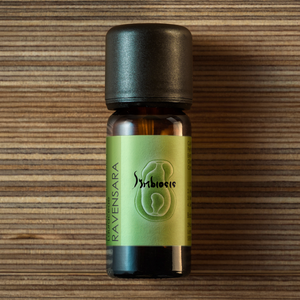


Clary sage | Salvia sclera 10mL
£12.00
Size: 10mL
Country of origin: FRANCE
Botanical family: LAMIACEAE
Extracted from: LEAVES & FLOWERS
Extration method: STEAM DISTILLATION
Note: MIDDLE
Blends well with:
Lavender — Enhances the herbal calm into something more traditionally soothing and less intoxicating. The blend becomes more about intentional rest than about narcotic surrender. → Restoration
Bergamot — Lifts the heavy sweetness with citrus brightness, making it more wearable and less sedating. The blend becomes lighter while keeping the herb's relaxing quality. → Restoration
Geranium — Adds rosy-green depth that makes the blend more floral and balanced. The scent becomes softer, less earthy-musky, more approachable. → Kinship
Vetiver — Deepens the earthy quality into something even more grounding and rooted. The blend becomes about deep rest and total release—sleep that's heavy and dreamless. → Restoration
Shelf life: Keep in a cool, dark place in a tightly sealed amber/black bottle. 2-3 years
Precautions: Avoid during pregnancy.
Herbaceous and deeply complex, with a sweet, almost wine-like quality that's unusual among herbs. The opening is green and slightly bitter, reminiscent of sage but softer and more rounded, with less of the sharp camphoraceous edge. There's a nutty, hay-like sweetness underneath—something like dried tobacco leaf or muscatel grapes, with hints of lavender and bergamot that give it an unexpected floral-fruity complexity.
As it develops, you notice a musky, almost animalic undertone that some people find intoxicating and others find off-putting—it's earthier and more bodily than most essential oils, less about clean herbal brightness and more about fermented plant matter and skin.
The scent has a narcotic quality, something heavy and slightly disorienting, like the feeling of lying in tall grass on a hot afternoon when the air is thick and time moves slowly. It's sweet but not sugary, herbal but not fresh, grounding but in a way that softens rather than stabilizes. The overall effect is both calming and slightly intoxicating—it doesn't sharpen focus, it blurs edges.
Clary Sage is the person who's deeply present but in a dreamy, unhurried way—they're listening, but they're also watching light move across the floor and thinking about three other things simultaneously. They have no interest in productivity or urgency; they move through life at their own pace and seem genuinely unbothered by others' expectations.
There's a sensuality to them that's not performative—they notice textures, tastes, the way air feels on skin, and they're unashamed about prioritizing pleasure and rest.
Conversation with them meanders; they'll follow tangents, pause mid-thought to notice something, circle back to topics hours later. They're the friend who suggests lying in the grass instead of going to the party, who'd rather cook a slow meal than meet for coffee, who falls asleep easily and wakes up slowly. You leave their company feeling either deeply relaxed or slightly unmoored, depending on how comfortable you are with loosening structure.
Color: Dusty sage green with hints of mauve and grey-brown, like dried herbs that have faded in the sun. The purple-pink of clary sage flowers gone to seed, the pale silver-green of the leaves.
Texture: The fuzzy softness of sage leaves, the slight stickiness of plant resin on fingertips, the heaviness of limbs after too much sun. Dense, enveloping, slightly narcotic.
Architecture & Interiors: Provençal farmhouse bedrooms and Mediterranean sleeping porches (pre-1900s to 1930s)—simple rural spaces designed for rest during hot summers, where heat and herb-scented air induce natural drowsiness. Think stone farmhouses in southern France, Italian country villas, or Greek island dwellings.
Architecture: Thick stone or plaster walls for thermal mass, small windows with wooden shutters to block midday sun, low ceilings to trap cool morning air, interior spaces darkened during heat, sleeping porches or terraces for hot nights.
Interiors: Iron bed frames with linen sheets (no heavy blankets in summer), bare plaster walls painted white or pale blue, terracotta tile floors that stay cool, minimal furniture (perhaps a wooden chair, a water pitcher on a stand), bundles of dried herbs hanging from rafters, mosquito netting, lavender or herb sachets in pillows. Spaces designed for siesta—where the middle of the day is surrendered to heat and rest, where sleeping is treated as necessary rather than lazy, where the scent of sun-warmed herbs drifts through shutters.
Sound: Cicadas in the afternoon heat, the rustle of dry grasses in a breeze, shutters creaking open in the evening. Distant bells marking time, the pour of water into a ceramic basin, deep slow breathing in sleep.
Clary Sage makes a space feel like surrender is allowed—not giving up, but giving in to what your body actually needs rather than what schedules demand. It's the scent of a bedroom where naps are taken seriously, a bath where you actually soak instead of quickly washing, a corner where you lie down in the middle of the day without guilt.
Some people use it when they need to override the constant push toward productivity, when rest has become difficult because relaxation feels like failure, when the nervous system needs permission to stop being on alert. It doesn't energize or clarify; it softens and slows. It makes time feel less urgent, makes the boundary between waking and sleeping feel less rigid.
For those building a Restoration bond with their home, Clary Sage creates the sense that this space won't judge you for needing rest—that lying down in the middle of the day is valid, that your body's tiredness is real information worth honoring, that not everything requires staying sharp.
For others, it supports Intimacy by making it possible to be with another person without performing alertness or interest—the kind of shared space where you can both be quiet, half-asleep, unguarded without it meaning anything's wrong.
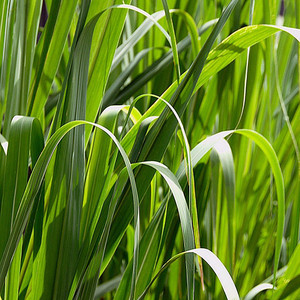
Remarks: The information provided on this website is for educational purposes only and may not be entirely accurate or complete. It is not intended to diagnose, treat, cure, or prevent any disease. Please note that the photos of the plants are intended to represent the typical appearance of each plant, but may vary based on location, growing conditions, and time of year. We recommend consulting with a healthcare professional before using any essential oils if you are pregnant or breastfeeding, or have any underlying health issues.