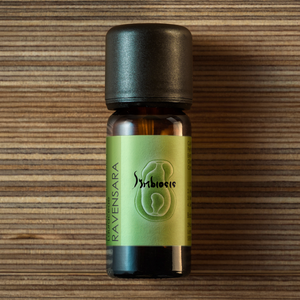



Clary sage | Salvia sclera 10mL
£12.00
Size: 10mL
Country of origin: FRANCE
Botanical family: LAMIACEAE
Extracted from: LEAVES & FLOWERS
Extration method: STEAM DISTILLATION
Note: MIDDLE
Blends well with:
Lavender 50/52: Lifts the musky depth toward something cleaner without dissolving it, the linalyl acetate in both oils creating a bridge that makes the blend feel like one thing rather than two. A bedroom in the hour before sleep. → Restoration
Frankincense: Deepens the resinous base, pulling the animalic dry-down toward something slower and more grounded, a quality of weight that belongs to a room where time has genuinely stopped. → Intimacy
Bergamot FCF: Brightens the muscatel sweetness in the heart, the citrus lifting the blend out of the purely narcotic register into something with more air in it. A bathroom in late afternoon. → Restoration
Cedarwood: Anchors the musky base into the woody-earthy register, the two oils meeting at their shared quality of warm, slow depth. The room this belongs to has no urgency in it. → Intimacy
Geranium: Warms the green opening into something more rosy and complex, the two oils sharing a herbaceous-floral territory that the blend makes richer than either achieves alone. → Kinship
Shelf life: Keep in a cool, dark place in a tightly sealed amber or black bottle. Best used within 2 to 3 years.
Precautions: Dilute before skin application. Avoid during pregnancy and while breastfeeding due to emmenagogue properties. Do not use before driving or operating machinery; the narcotic quality of this oil is well-documented. Not for internal use.
The opening is green and slightly bitter, sage-like but with the camphoraceous sharpness already softened before it arrives. Underneath the herb, a muscatel sweetness builds: nutty, wine-adjacent, closer to dried tobacco leaf or late-harvest grape than to anything culinary. As the heart opens, the linalyl acetate brings a faint lavender proximity, a floral softness that does not stay long before the dry-down pulls it toward the earth. The sclareol base is where clary sage becomes itself: musky, slightly animalic, the smell of warm skin and fermented plant matter rather than clean herb. Common sage shares the green opening but turns medicinal and sharp where clary sage turns inward and heavy. Lavender shares the linalyl acetate bridge but stays linear and resolved where clary sage lets the same chemistry go somewhere stranger.
Clary Sage is the person who is entirely present and in no particular hurry about it. They will follow a tangent to its end, pause mid-sentence to watch light move, return to a topic an hour after you thought it was finished. There is a sensuality to how they move through the world that is not performed: they notice texture, temperature, the specific quality of an afternoon, and they see no reason to treat these observations as less important than whatever was supposed to happen next. Conversation with them meanders in a way that leaves you, afterward, uncertain of the time. You leave feeling either deeply rested or slightly unmoored, depending on how much you needed the structure you arrived with.
Colour:
The colour is dusty sage green deepening toward grey-mauve at the edges, the palette of dried herbs that have spent a summer in the sun and faded past their original intensity. There is a purple-brown in the dry-down register, the colour of muscatel grape skin, warm and slightly fermented. Nothing here is saturated or bright; the light in this palette is the diffuse, heavy light of a hot afternoon behind closed shutters, where colour loses its edge and everything shifts toward the same quiet tone.
Texture:
In the air it has the weighted give of heavy linen that has absorbed heat: not crisp, not smooth, but with a density that registers against the senses as something between fabric and atmosphere. The musky base adds a slight animalic resistance, not unpleasant but present, the texture of something that has been worn and warmed by a body. The green opening has a faint fuzzy quality, the surface of a sage leaf, which disappears as the heart takes over and the air becomes denser.
Architecture:
The walls are thick and load-bearing, stone or rammed earth that holds the morning cool well into the afternoon, the plan compact and inward-facing with small apertures set deep into the wall thickness. Shutters rather than curtains: the light is managed by closing rather than filtering, the room moving between bright and dark at the hinge of the shutter rather than through degrees of transparency. Ceiling height is low, the volume contained, the air inside kept separate from the heat beyond the wall. The body enters from the brightness outside, pauses while the eyes adjust, moves toward the bed or the chair in the corner. Clary sage settles as a slow warm current in the lower volume of this room, a musky band the plan holds below shoulder height where the cool air pools and the scent accumulates.
Interior:
The bed frame is iron, the linen unbleached and slightly rough from line-drying in the sun, the surface carrying the warmth of an afternoon spent absorbing heat through the window crack. Bare plaster walls at a pale wash, the surface showing the irregularity of hand application, the slight texture where the trowel changed direction. A wooden chair holds a folded garment; a ceramic pitcher stands on a low table, the glaze slightly crazed from years of temperature change. There are no unnecessary surfaces, nothing requiring maintenance or attention. The hand reaches for the sheet, pulls it back, settles. The scent gives the room its quality of suspended time, the heavy musky warmth that rises from the linen when the body's weight presses into it.
Sound:
Cicadas at their peak afternoon intensity, the sound so continuous it stops being heard and becomes the texture of the air itself. Not a rhythm, not a melody; a sustained density of sound that makes silence, when it briefly comes, feel remarkable. The acoustic is outdoor and uncontained, but the room is inside it rather than separate from it, the shutters doing nothing to reduce the presence of the sound, only the heat. Where citronella is the ceiling fan holding a boundary, clary sage is the cicadas dissolving one.
Restoration:
Clary sage makes the specific permission available that rest is valid in the middle of the day. The musky sweetness, the quality of blurred edges and slowed time, removes the sense that a room is waiting for something to happen in it. A bedroom or a bathroom with this scent in the air becomes a space where the body's decision to stop is not questioned by the atmosphere. This is not the restoration of addressing difficulty, as German chamomile enables; it is the restoration of simple surrender to what the body has been needing for longer than it has been acknowledged.
Intimacy:
Clary sage in a shared space makes a particular kind of togetherness possible: the kind that does not require performance or alertness. Two people in a room with this scent can be quiet, half-present, unguarded, without the silence needing to be explained or filled. The animalic quality of the dry-down does something to the threshold between people; the room becomes more bodily, less social, the kind of space where proximity is enough and nothing needs to be said.
Remarks: The information provided on this website is for educational purposes only and may not be entirely accurate or complete. It is not intended to diagnose, treat, cure, or prevent any disease. Please note that the photos of the plants are intended to represent the typical appearance of each plant, but may vary based on location, growing conditions, and time of year. We recommend consulting with a healthcare professional before using any essential oils if you are pregnant or breastfeeding, or have any underlying health issues.