
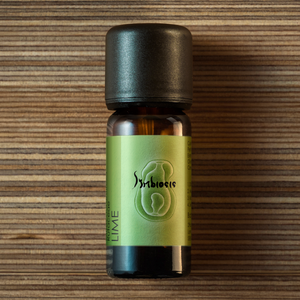

Eucalyptus radiata | Eucalyptus radiata 10mL
£8.50
Size: 10mL
Country of origin: AUSTRALIA
Botanical family: MYRTACEAE
Extracted from: LEAVES
Extration method: STEAM DISTILLATION
Note: TOP
Blends well with:
Peppermint — Amplifies the cooling, clarifying quality into something even more about respiratory relief and mental sharpness. The blend becomes overtly medicinal, purely functional. → Restoration
Lemon — Brightens the clean camphoraceous quality with citrus freshness, making it more uplifting and less clinical. The blend becomes about morning clarity and fresh starts. → Stimulation
Lavender — Softens the medicinal edge with floral calm, making it more about gentle recovery than aggressive clearing. The blend becomes more bedtime-friendly, less intense. → Restoration
Tea Tree — Combines two powerful antiseptic oils into something uncompromising about purification. The blend is not subtle—it's for when you need serious clearing, no apologies. → Restoration
Shelf life: Keep in a cool, dark place in a tightly sealed amber/black bottle. 2-3 years
Precautions: Avoid near faces of young children.
Clean, bright, and unmistakably eucalyptus—but softer and more approachable than the harsh, medicinal intensity of eucalyptus globulus. The opening is fresh and camphoraceous, with a menthol-like coolness that opens the airways immediately, but there's a subtle sweetness underneath that makes it less aggressive, almost citrusy.
As it develops, you notice hints of lemon and mint, a slight floral quality that rounds out the sharp edges, and a woody base that grounds the volatile brightness. It's cleaner than tea tree, gentler than cajeput, more balanced than peppermint—the scent of breathing deeply after congestion clears, of air that's been scrubbed clean. There's a clarity to it, a transparency, like the feeling of cold water on your face or stepping outside into crisp morning air after being in a stuffy room.
It doesn't linger heavily or create atmosphere; it clears space. The scent is functional in the best way—it does exactly what it's supposed to do without apology or embellishment.
Eucalyptus Radiata is the person who shows up calm and capable when everyone else is panicking, who assesses the situation clearly and takes practical action without drama. They're not cold, but they're not particularly emotional either—they're focused on what needs doing rather than how anyone feels about it.
There's a kindness to their efficiency; they genuinely want to help, but they're not interested in processing feelings while the problem is still active. They're the friend who brings tissues, makes tea, opens windows, suggests a walk—concrete actions that actually address discomfort rather than just acknowledging it.
Conversation with them is straightforward and often short; they say what needs saying and then get on with things. You leave their company feeling clearer, like someone just helped you see what was obvious but you'd been too overwhelmed to notice.
Color: Pale silver-blue with bright white edges—the color of cold clarity, like frost on glass or winter sky just after dawn. Clean, transparent, no warmth.
Texture: Cool and smooth like chilled metal or the first shock of cold water. Penetrating but not harsh—more like a breeze that moves through rather than against you. Crystalline, clear, slightly sharp.
Architecture & Interiors: Early 20th-century tuberculosis sanatoriums and fresh-air schools (1900s-1940s)—medical facilities designed around the belief that clean air, sunlight, and proximity to healing atmosphere were themselves therapeutic. Think Waverly Hills Sanatorium (Kentucky, 1910s), Swiss Alpine sanatoriums, or California's outdoor schools.
Architecture: Buildings designed to maximize air circulation—large screened porches or sleeping balconies, floor-to-ceiling windows that open completely, minimal interior walls to allow air flow, rooms that can essentially become outdoor spaces. White-painted wood or stucco exteriors reflecting heat and light, corrugated iron roofs, eucalyptus trees planted deliberately for their supposed antiseptic properties.
Interiors: Hospital beds on wheels that could be rolled outside, minimal fabric to prevent dust accumulation, tile or linoleum floors for easy cleaning, simple metal or painted wood furniture, skylights for natural light, air vents positioned for cross-breeze. Spaces where architecture itself was considered medicine—where the quality of air mattered more than comfort, where exposure to elements was prescribed rather than avoided, where healing meant maximum ventilation rather than insulation.
Sound: A sharp inhale, the clarity of a single bell tone, ice cracking cleanly. High, clear, uncomplicated—sounds that cut through rather than resonate.
Eucalyptus Radiata makes a space feel breathable and clear—literally and metaphorically. It's the scent of a room when you've finally opened all the windows after being sick, a bathroom during the worst of a cold when you need something that actually helps, a workspace when mental fog needs to lift so you can think clearly.
Some people use it during illness or recovery when congestion makes everything feel difficult, in rooms that feel stale or stuck, in moments when clarity matters more than comfort. It doesn't coddle or comfort; it clears. It strips away what's blocking you—physically, mentally—and leaves you with clean air and the ability to breathe.
For those building a Restoration bond with their home, Eucalyptus Radiata creates the sense that this space will help you recover by removing obstacles rather than simply offering comfort—that healing sometimes requires clearing out what's in the way.
For others, it supports Productivity by making clear-headedness possible when brain fog or physical congestion would otherwise prevent focus—not by stimulating but by removing what's dulling you.
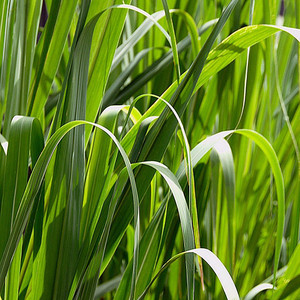
Remarks: The information provided on this website is for educational purposes only and may not be entirely accurate or complete. It is not intended to diagnose, treat, cure, or prevent any disease. Please note that the photos of the plants are intended to represent the typical appearance of each plant, but may vary based on location, growing conditions, and time of year. We recommend consulting with a healthcare professional before using any essential oils if you are pregnant or breastfeeding, or have any underlying health issues.