

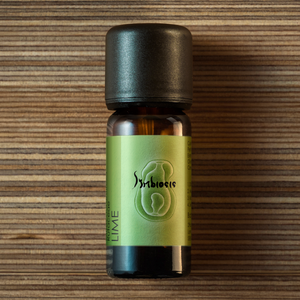

Eucalyptus radiata | Eucalyptus radiata 10mL
£8.50
Size: 10mL
Country of origin: AUSTRALIA
Botanical family: MYRTACEAE
Extracted from: LEAVES
Extration method: STEAM DISTILLATION
Note: TOP
Blends well with:
Peppermint: Amplifies the airway-clearing quality into something more immediately cooling and directive, the menthol adding a sharp cold edge to the camphoraceous brightness. A bathroom or a workspace when the situation is acute. → Restoration
Lavender 50/52: Softens the clinical edge without losing the clarity, the linalyl acetate bridge carrying the blend toward something that can occupy a bedroom as well as a functional space. → Restoration
Lemon: Brightens the citrus quality already present in radiata's heart, the two oils meeting at their shared limonene territory to produce something cleaner and more openly fresh. A kitchen or a workspace in winter. → Productivity
Tea Tree: Deepens the functional-medicinal register, the two oils reinforcing each other's camphoraceous quality while the radiata keeps the blend from becoming too dense. A utility space or a sickroom. → Restoration
Rosemary: Sharpens the bright top into something more directional and focused, the camphoraceous quality of rosemary aligning with radiata's cineole to produce a blend that is about mental clarity as much as physical. A workspace or a study. → Productivity
Shelf life: Keep in a cool, dark place in a tightly sealed amber or black bottle. Best used within 2-3 years
Precautions: Dilute before skin application. Keep away from the face of infants and young children; use with caution around children under ten. Avoid during pregnancy and while breastfeeding. Not for internal use.
The opening is immediate: camphoraceous brightness with a citrus edge that keeps it from landing as purely medicinal. The airways register it before the mind has named it, a reflexive deepening of the breath. As the heart develops, alpha-terpineol softens the sharp edge into something faintly floral, a quality of roundness that globulus never reaches, and a brief mint adjacency enters without taking over. The dry-down is clean and quiet, the brightness resolved into a neutral woody base that simply clears the space it occupied and leaves. Eucalyptus globulus takes the same camphoraceous family and pushes it to its most aggressive expression; radiata holds back from that edge, the limonene sweetness acting as a moderating presence that makes the clearing feel considered rather than imposed. It does not linger. That is part of what it offers.
Eucalyptus Radiata is the person who assesses the situation before anyone else has finished reacting to it. Not cold; focused. The kindness is real but it expresses itself in action rather than acknowledgement: a window opened, a practical suggestion, the specific thing that addresses the actual problem rather than the feeling about the problem. There is no drama in how they move through difficulty, which some people experience as reassuring and others experience as insufficient. Conversation with them is short when shortness is what the situation requires. You leave feeling clearer about what the next thing is, which is, depending on what you needed, either exactly right or not quite enough.
Colour:
The colour is pale silver-blue at the opening, brightening toward white at the edges: the colour of winter sky just after dawn, before the light has accumulated any warmth. There is a transparency to it, the quality of colour in very cold, very clear air, where saturation drops and what remains is light rather than pigment. The citrus heart introduces a brief white-yellow, clean and cool, before the dry-down resolves everything back to a neutral that is closer to the absence of colour than to any particular one.
Texture:
In the air it has the quality of chilled metal under the hand: smooth, slightly shocking, the temperature differential registering before the surface texture does. The camphoraceous quality adds a slight penetrating sharpness, not unpleasant, the sensation of air moving through rather than resting against. There is no weight, no density; the texture is about clarity and passage rather than presence and accumulation. As the heart softens, the texture becomes more like cold running water: still cool, still moving, but with less edge.
Architecture:
The plan is maximally open: floor-to-ceiling glazing that folds or slides to dissolve the wall between inside and outside, the aperture strategy about removing barriers to air movement rather than managing what comes through. The structure is as lean as the structural requirement allows, the frame receding so that what is present is light and air rather than enclosure. White-rendered or pale-painted surfaces reflect rather than absorb, keeping the interior bright without warmth. The body enters, feels the air move, does not pause at any threshold because the threshold has been eliminated by design. Eucalyptus radiata runs as a cool bright current through the full cross-section of this space, the line a designer draws through the aperture plane where outside air and inside air are briefly the same thing.
Interior:
The surfaces are white-painted timber or pale tile, the kind that shows dirt and is cleaned regularly rather than the kind that accumulates a patina of use. Furniture is minimal and moveable: a metal-framed chair, a simple table, nothing upholstered, nothing that traps air or accumulates dust in its folds. The floor is smooth and wipeable underfoot. A window is open; the curtain, if there is one, is thin cotton, moving in the air rather than hanging still. The hand sets nothing down here that does not need to be set down. The scent gives the room its quality of functional clarity, the cool bright charge along the aperture line that makes the act of breathing in this space feel like the point of being in it.
Sound:
A single bell tone struck cleanly and allowed to decay without interference: not a resonant bell, not a deep one, but a high, clear strike that travels the full length of its decay before the room absorbs it. The acoustic is live rather than soft, hard surfaces rather than fabric, the sound moving quickly and clearly rather than being caught and held. Where cypress is wind through needles marking a boundary, eucalyptus radiata is the bell that marks a moment: brief, precise, already gone.
Restoration:
Eucalyptus radiata's restoration is the specific kind that requires removing something rather than adding it. A bathroom during illness, a bedroom with the window open after days of congestion, a room that has been closed too long: in these spaces the scent does the work of the open window before the window is open, creating the felt quality of air that is moving and clean. This is not comfort-restoration; it is clearance-restoration, the felt sense that the obstacle between the body and its own recovery has been addressed.
Productivity:
Eucalyptus radiata in a workspace does not stimulate; it removes the specific impediment of congestion, staleness, or the low-grade mental fog that accumulates in rooms where the air has not moved. The result is not energy but access: the return to the baseline clarity that was always available but had been blocked. A desk near an open window, a home office in winter when the air inside has thickened: these are the spaces where this scent does its most specific work.
Remarks: The information provided on this website is for educational purposes only and may not be entirely accurate or complete. It is not intended to diagnose, treat, cure, or prevent any disease. Please note that the photos of the plants are intended to represent the typical appearance of each plant, but may vary based on location, growing conditions, and time of year. We recommend consulting with a healthcare professional before using any essential oils if you are pregnant or breastfeeding, or have any underlying health issues.