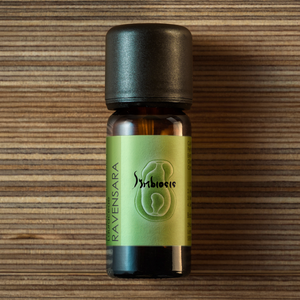


Frankincense | Boswellia serrata 10mL
£15.00
Size: 10mL
Country of origin: INDIA
Botanical family: BURSERACEAE
Extracted from: OLEOGUM RESIN
Extration method: STEAM DISTILLATION
Note: BASE
Blends well with:
Myrrh — Deepens the resinous quality into something even more contemplative and grounding. The blend becomes darker, more about sitting with difficulty than about elevation. → Restoration
Bergamot — Lifts the heavy resin with citrus brightness, making it more accessible and less intense. The blend becomes lighter while keeping its contemplative quality. → Restoration
Sandalwood — Adds creamy wood that softens the bright resin into something more meditative and enveloping. The blend becomes warmer, more about inward quiet than upward focus. → Intimacy
Lavender — Softens the sharp brightness with floral calm, making sacred space feel gentler. The blend becomes more about peaceful rest than active contemplation. → Restoration
Shelf life: Keep in a cool, dark place in a tightly sealed amber/black bottle. 4-6 years
Precautions: Dilute for sensitive skin.
Resinous, bright, and unmistakably sacred—like the smell of incense in old churches, but more complex and alive than smoke alone. The opening is fresh and slightly citrusy, with hints of lemon and pine that give it an unexpected brightness, almost sharp before it warms. There's a balsamic sweetness underneath, woody and amber-like, with subtle spicy notes of pepper and cinnamon that emerge as it develops.
The scent has layers: at first it's clean and uplifting, then it deepens into something warmer and more meditative, with a powdery, slightly smoky quality that lingers. It smells ancient and timeless, like tree sap that's been dried and concentrated over centuries, like stone walls that have absorbed decades of ritual burning. There's a clarity to it despite the complexity—it doesn't muddy or confuse, it elevates.
The scent feels vertical, ascending, like the smoke itself rising upward, carrying attention with it. It's serious without being heavy, contemplative without being somber, spiritual in a way that transcends any particular tradition.
Frankincense is the person who's comfortable with silence, who doesn't need to fill every pause with words or activity, who creates space for reflection simply by being still themselves. They're not performing wisdom or spirituality; they simply have a depth that comes from spending time in their own interior.
There's a quietness to them, but it's not shyness—it's intentionality. They speak when they have something to say, and when they do, people listen because the words feel considered. They're the friend who asks questions that make you think about what you actually believe rather than what you've been told, who can sit with difficult truths without needing to resolve them immediately.
Conversation with them moves slowly, with space between statements, and you find yourself thinking more carefully about what you're saying. You leave their company feeling more centered, more aware of your own thoughts, like someone just reminded you that you have an interior life worth attending to.
Color: Pale amber and gold with hints of soft grey-blue, like honey backlit by candlelight or the warm glow of aged resin. Translucent, luminous, with depth that suggests layers rather than opacity.
Texture: Smooth like polished stone warmed by hands, slightly sticky like resin before it hardens completely. Enveloping without heaviness—more like being held by warm air than by weight.
Architecture & Interiors: Romanesque monastery chapels and early Christian basilicas (800s-1200s)—stone spaces designed for contemplation and ritual, where architecture amplifies rather than distracts from interior focus. Think Abbey of Sénanque (Provence, 12th century), Cistercian monastery chapels, or early Romanesque churches in rural Italy and Spain.
Architecture: Thick stone walls that create acoustic resonance and hold warmth, small windows that filter rather than flood light, barrel or groin vaults that lift the eye upward, minimal ornament so attention rests on proportion and light rather than decoration. Simple wooden or stone altars, floors of worn stone or terracotta, rough-plastered walls whitewashed or left bare, the patina of centuries visible in smoke-darkened ceilings and oil-stained floors.
Interiors: Spaces where silence feels active rather than empty, where the quality of light changes throughout the day and marks time, where the smell of incense has permeated stone so deeply that it's always faintly present. Rooms designed to remove distraction—not through sterility but through simplicity that allows full attention to interior experience, where the architecture itself teaches you to be still.
Sound: The resonance of a singing bowl after the strike fades, footsteps echoing in stone corridors, the crackle of resin heating on coals. Silence that has weight and presence, broken occasionally by a single bell or the rustle of fabric.
Frankincense makes a space feel consecrated—not in a religious sense necessarily, but in the sense that this space has been set aside for something that matters, for attention that goes deeper than daily concerns. It's the scent of a meditation corner where practice actually happens, a room where difficult decisions are made with care, a space where you sit with questions that don't have easy answers.
Some people use it during transitions or thresholds—beginnings and endings that deserve acknowledgment, moments when you need to mark that something significant is happening. It doesn't comfort or energize; it clarifies and elevates. It creates an atmosphere where superficial concerns fall away and you're left with what's actually important, what actually needs your attention.
For those building a Restoration bond with their home, Frankincense creates the sense that healing can be sacred—that recovery isn't just about returning to function but about reconnecting with something deeper, that some wounds heal better when you attend to them with reverence.
For others, it supports Intimacy by making it possible to be vulnerable in ways that feel protected—not hidden, but held within something larger than yourself, where honesty feels possible because the space itself takes things seriously.
Remarks: The information provided on this website is for educational purposes only and may not be entirely accurate or complete. It is not intended to diagnose, treat, cure, or prevent any disease. Please note that the photos of the plants are intended to represent the typical appearance of each plant, but may vary based on location, growing conditions, and time of year. We recommend consulting with a healthcare professional before using any essential oils if you are pregnant or breastfeeding, or have any underlying health issues.