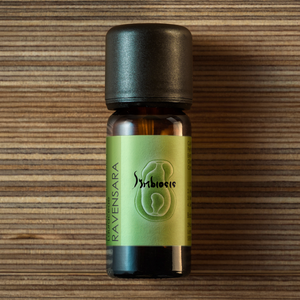


Frankincense | Boswellia serrata 10mL
£15.00
Size: 10mL
Country of origin: INDIA
Botanical family: BURSERACEAE
Extracted from: OLEOGUM RESIN
Extration method: STEAM DISTILLATION
Note: BASE
Blends well with:
Cypress: Deepens the resinous vertical quality, the two oils meeting at their shared alpha-pinene territory to produce something that feels genuinely ancient and unhurried. A study or a meditation corner. → Restoration
Cedarwood: Warms the dry cedar base of the frankincense dry-down, the two woods meeting in the same register and extending the blend's presence well past the frankincense top. A library or a reading room in winter. → Storage
Lavender 50/52: Softens the spare quality into something with slightly more domestic warmth, the linalyl acetate bridge carrying the blend toward a bedroom while the frankincense holds the structural proportion. → Restoration
Black Pepper: Sharpens the cool top into something more directional and focused, the pepper's dry heat aligning with the frankincense's pinene to produce a blend suited to a workspace where clarity is required. → Productivity
Vetiver: Anchors the dry base into the earth, extending the powdery quality into something with more material weight; the room this belongs to has no urgency in it and does not pretend otherwise. → Intimacy
Shelf life: Keep in a cool, dark place in a tightly sealed amber or black bottle. Best used within 2-3 years.
Precautions: Dilute before skin application. Avoid during pregnancy and while breastfeeding. Not for internal use.
The opening is sharp before it is resinous: pine-cool with a lemon thread that clarifies rather than sweetens. As it settles, the sharpness gives way to a dry balsamic quality, wood and paper rather than smoke or honey, the heart staying cool where other frankincenses turn toward warmth. The dry-down carries a fine powder of cedar and old wood that releases slowly, taking hours to leave the surfaces it has settled on. Sharper at the top than carterii, cooler in the heart than sacra, and drier than either at every stage. Where myrrh takes the resinous family into darker, warmer, more medicinal territory, serrata keeps moving in the opposite direction: toward the spare, the dry, the undersaturated.
Frankincense India is the person who walks into a room and the room finds its centre. They do not fill silence; they sit with it, attend to it, make it feel like it has content rather than absence. The quiet about them is not shyness but a deliberate kind of attention: they have been somewhere quieter than most people go and have come back with their attention intact. When they speak the sentences are short and the words exact. They ask questions that make you think about what you actually believe rather than what you have been told, and they can hold a difficult conversation slowly without rushing it to a conclusion. The kind of presence that makes other people stop checking their phones.
Colour:
Pale stone, the colour of weathered limestone with a slate-grey undertone. Bone, vellum, the dusty oyster of paper that has held light for a long time. A single thread of pale terracotta running through, cool rather than warm, closer to the dust on old amber than to its honey-orange. The palette is undersaturated throughout; each colour absorbs light rather than reflecting it back. Where sacra frankincense might offer a warmer ivory, serrata stays in the cooler register of chalk and worked paper.
Texture:
Vellum stretched until it cools to the touch, the fingertip catching a faint grain, like very fine paper that has been worked many times. Cool to the hand and slow to warm, in the way of raw stone in shade. Beneath, the powdery dryness of chalk that has been pressed and lifted. No give, no nap, no creases. A surface that holds its shape against pressure and offers nothing back.
Architecture:
Romanesque proportion: load-bearing stone walls with round arches at the apertures, narrow windows placed to filter rather than flood light. Lime-rendered plaster over stone, the kind of wall that absorbs sound and holds temperature as separate states rather than exchanging them. A barrel-vaulted ceiling, taller than the room is wide, the volume compressed at the sides and released upward. Floors of stone flag or worn terracotta. Walls thick enough that inside and outside are clearly different climates; no indoor-outdoor blurring, no view to the garden. The body enters through a narrow door, stands for a moment while the temperature change registers, sits rather than moves. The proportions ask for stillness. Frankincense serrata runs as a dry powdery seam through the full height of this room, a current the stone walls hold and release slowly, indistinguishable after a time from the quality of the air itself.
Interior:
A long timber bench, waxed but unstained, the surface carrying the smoothness of years of use without any applied finish beyond the original wax. A rough wool flatweave on the stone floor between the bench and the window. A clay water pitcher and a stoneware bowl on an open shelf, both unglazed. Iron rather than brass at the door pulls and the candle holders. Three or four objects on each shelf, not twelve. No cushions on the bench, no curtains at the window. The hand rests on the bench surface, feels the wax and the grain of the timber beneath it. Nothing in the room requires decision. The scent gives the corner its quality of deliberate sparseness, the dry powdery charge along the shelf line and the bench surface that makes sitting still in this room feel like the room's specific offer.
Sound:
A single bell rung once in a high stone room, the sound rising and then taking a long time to fade, the silence after it more present than the silence before. Or the lower register: footsteps on flagstones in an empty corridor, evenly spaced, neither hurried nor slow. The acoustic is alive, the kind a vaulted room provides, but never crowded. Between sounds the silence has weight. Where clove bud is the sound of a drawer defining a boundary, frankincense serrata is the sound of the bell that has already rung and is still, technically, ringing.
Productivity:
Used at a desk first thing in the morning, before the screen is opened, frankincense serrata clears the room of yesterday. The space stops being where work was left the night before and becomes where it starts today. The same scent works in the evening, when a decision has to be made and the room is asked to hold steady while it is being thought through. The dryness of the scent, its refusal to warm or sweeten, is what makes this possible: it does not create atmosphere so much as remove the residue of the previous one.
Restoration:
The restoration frankincense serrata enables is solitary and quiet. A chair set apart in a corner of the bedroom or a spare room, a desk used for sitting still rather than working: these are the spaces where the scent does its most specific restorative work, by making undirected attention feel adequate. This is not the restoration of recovery from illness, as German chamomile enables, or the restoration of simple surrender, as clary sage offers. It is the restoration of the person who needs the room to ask nothing of them for a defined period of time, and to mean it.
Remarks: The information provided on this website is for educational purposes only and may not be entirely accurate or complete. It is not intended to diagnose, treat, cure, or prevent any disease. Please note that the photos of the plants are intended to represent the typical appearance of each plant, but may vary based on location, growing conditions, and time of year. We recommend consulting with a healthcare professional before using any essential oils if you are pregnant or breastfeeding, or have any underlying health issues.