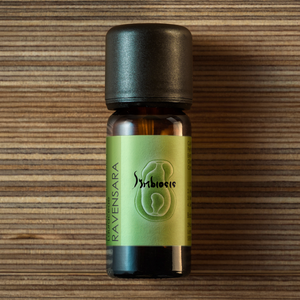


Geranium | Pelargonium graveolens 10mL
£11.00
Size: 10mL
Country of origin: EGYPT
Botanical family: GERANIACEAE
Extracted from: LEAVES & FLOWERS
Extration method: STEAM DISTILLATION
Note: MIDDLE
Blends well with:
Bergamot — Brightens the rosy-green with citrus sparkle, making the blend more uplifting and social. The scent becomes more about cheerful care than quiet maintenance. → Kinship
Lavender — Softens the green sharpness with floral calm, creating a classic herbal combination. The blend becomes more about restful tending, evening routines, winding down. → Restoration
Rose Otto — Deepens the floral quality into something more luxurious and intentional. The blend becomes more about self-care as ritual rather than as routine. → Intimacy
Clary Sage — Adds earthy-sweet depth that makes the blend more grounding and less bright. The scent becomes more about deep rest than active care. → Restoration
Shelf life: Keep in a cool, dark place in a tightly sealed amber/black bottle. 2-3 years
Precautions: Dilute for sensitive skin.
Green, rosy, and surprisingly complex—like the smell of geranium leaves crushed between your fingers, releasing a scent that's both floral and herbaceous in a way that's hard to pin down. The opening is fresh and slightly sharp, with a green, almost minty brightness that's more leaf than flower.
As it develops, you notice the rose-like sweetness, but it's not true rose—it's softer, more approachable, with a hint of citrus (lemon or lime peel) and a subtle earthy undertone that keeps it grounded. There's a balance to it that's unusual: it's sweet but not cloying, floral but not perfumey, fresh but not harsh.
The scent has a garden quality—not a manicured garden but one that's been tended with care, where things grow abundantly and the air smells green and alive. It's the smell of hands after gardening, of petals and stems and soil all together, of spaces where cultivation and wildness coexist. There's a practicality to its beauty, a sense that this plant serves multiple purposes—ornamental and functional, pretty and useful at once.
Geranium is the person who makes taking care of things look natural and unforced, who tends to their life—relationships, space, work—with steady attention rather than dramatic intervention. They're reliable without being rigid, nurturing without being overbearing.
There's a groundedness to them that comes from regular practice rather than natural talent; they show up consistently, they do the small things that accumulate into care over time. They're the friend who waters your plants while you're away and actually remembers to do it, who checks in without needing a crisis, who makes space in their life for maintenance and tending.
Conversation with them is balanced—they listen well and speak thoughtfully, neither dominating nor disappearing. You leave their company feeling neither depleted nor overstimulated, just steadier, like someone just reminded you that most things worth having require regular attention rather than occasional heroics.
Color: Rose-pink with green undertones, like geranium petals with their fresh stems still attached. Soft coral, pale mint green, the dusty rose-grey of leaves. Not vivid or bright, but saturated in a gentle way.
Texture: The slight fuzziness of geranium leaves, soft but with substance. Cool and slightly damp like morning air in a garden, smooth like skin after applying lotion. Balanced—neither heavy nor ethereal.
Architecture & Interiors: English cottage gardens and French potager kitchens (1700s-1900s)—domestic spaces where beauty and utility are intertwined, where flowers and herbs grow together for pleasure and purpose. Think Gertrude Jekyll cottage gardens, walled kitchen gardens in English country estates, or French farmhouse courtyards with herbs in terracotta pots.
Architecture: Low stone or brick walls creating sheltered microclimates, gravel or brick paths wide enough for wheelbarrows, cold frames and cloches for extending seasons, wooden potting benches worn smooth from use, doorways wide enough to carry harvest baskets through.
Interiors adjacent to gardens: Mudrooms with hooks for aprons and baskets for cut flowers, kitchens with windowsills crowded with rooting cuttings and potted herbs, sinks deep enough for washing vegetables, open shelving displaying preserves made from garden abundance. Spaces designed around the rhythm of seasonal tending—where cultivation happens daily in small increments, where the boundary between ornamental and edible is pleasantly blurred, where taking care of growing things is woven into domestic routine rather than separated as hobby or chore.
Sound: The snip of pruning shears, water from a watering can hitting soil, the rustle of leaves being brushed by clothing as you move through planted beds. The hum of bees, birdsong in the morning, the scrape of a trowel against terracotta. Quiet industry—sounds of tending rather than arriving or leaving.
Geranium makes a space feel tended and cared for—not perfect or pristine, but attended to regularly with genuine affection. It's the scent of a home where maintenance is part of the rhythm, where small acts of care accumulate into atmosphere, where things are kept up not out of obligation but because the space deserves attention.
Some people use it in rooms that need regular tending—kitchens where cooking happens daily, bathrooms where self-care is practiced consistently, entryways that transition you from outside chaos to inside order through small rituals. It doesn't transform dramatically; it sustains. It creates the sense that this space responds to regular care, that small consistent efforts matter more than occasional grand gestures.
For those building a Kinship bond with their home, Geranium creates the sense that caring for your space and caring for the people in it are part of the same practice—that hospitality grows from the soil of regular maintenance, that welcoming others is easier when your own space feels tended.
For others, it supports Restoration not through dramatic intervention but through the kind of healing that comes from routine self-care—washing your face, making your bed, watering plants—acts that restore through their regularity and attention.
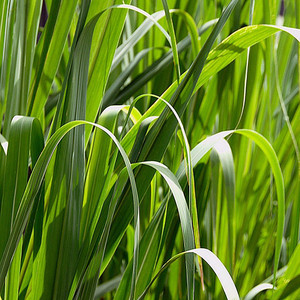
Remarks: The information provided on this website is for educational purposes only and may not be entirely accurate or complete. It is not intended to diagnose, treat, cure, or prevent any disease. Please note that the photos of the plants are intended to represent the typical appearance of each plant, but may vary based on location, growing conditions, and time of year. We recommend consulting with a healthcare professional before using any essential oils if you are pregnant or breastfeeding, or have any underlying health issues.