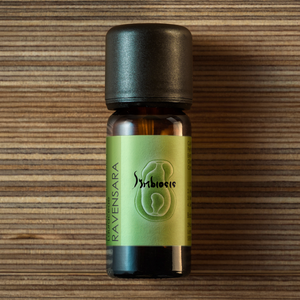



Geranium | Pelargonium graveolens 10mL
£11.00
Size: 10mL
Country of origin: EGYPT
Botanical family: GERANIACEAE
Extracted from: LEAVES & FLOWERS
Extration method: STEAM DISTILLATION
Note: MIDDLE
Blends well with:
Lavender 50/52: Softens the green edge into something quieter and more domestic, the linalyl acetate bridge carrying the blend toward a bedroom while the geranium holds the clarity. An end-of-day room. → Restoration
Bergamot FCF: Brightens the citrus thread already running through geranium's heart, the two oils meeting at their shared quality of clear, fresh brightness. A kitchen or an entrance hall in the morning. → Kinship
Rose Otto: Deepens the rosy heart into something richer and more honeyed, the geranium's green edge keeping the blend from becoming too sweet. A bedroom or a dressing room. → Intimacy
Frankincense: Grounds the rosy-green quality into something slower and more considered, the resinous dry quality of the frankincense giving the blend a structural weight that geranium alone does not carry. → Restoration
Clary Sage: Warms the herbaceous register into something more complex and musky, the two oils meeting at their shared green-floral territory and taking it somewhere denser. An evening room where the pace has already slowed. → Intimacy
Shelf life: Keep in a cool, dark place in a tightly sealed amber or black bottle. Best used within 2-3 years.
Precautions: Dilute before skin application. Avoid during pregnancy and while breastfeeding. Not for internal use.
Green and rosy together, neither one ahead of the other. The opening is sharp and herbaceous, the isomenthone edge present immediately, like a leaf crushed between fingers beside an open window on a dry morning. As it settles, a fuller rosy heart comes through, the citronellol and geraniol softening the initial sharpness without tipping into sweetness. A quiet citrus thread runs underneath throughout, keeping everything clear, preventing the rose from accumulating sentiment. Less honeyed than rose otto, greener and drier than palmarosa: geranium occupies the space between them where the floral and the herbaceous hold each other in check without either winning.
Geranium is the friend who opens the windows the moment they arrive and tells you the truth before you have asked for it. Their care has an edge to it: not unkind, just honest. They clear surfaces, let the air move, and leave a room feeling more itself rather than dressed for show. Conversation with them is direct and undemanding; they are not interested in performance and do not mistake arrangement for substance. There is a sharpness to the way they pay attention, a freshness that cuts through anything stale or staged. The kind of character who leaves a space cleaner and more honest than they found it, without ever fussing over it.
Colour:
Pale celadon green meeting dusty rose, the way two washes of watercolour bleed at the edge where they touch.The saturation is quiet throughout, never vivid: a clear, slightly yellowed green at the sharper moments, softening into the creamy pink of plaster carrying late light. Nothing here is saturated or insistent. The palette belongs to a time of day rather than to a mood: the particular quality of morning light in a room that faces east and has not yet been lived in for the day.
Texture:
Raw silk stroked against the grain: smooth one way, resistant the other. Cool to the hand, not cold. The weight is light but the surface holds its shape. Underneath, the faint suggestion of dry chalk on a fingertip, almost nothing, but enough to notice. The green opening has the slight resistance of the herbaceous edge; the rosy heart smooths it without removing it entirely.
Architecture:
Arts and Crafts proportion with garden-wall materiality: tall sash windows placed for the light at the hours the room is actually used, set in walls of stone or lime render that hold light rather than bouncing it back. The sills are deep enough to sit on. The indoor-outdoor line runs through a wide, well-used threshold rather than a grand gesture; the plan does not dramatise the connection between inside and outside but makes it simply available. The body moves to the window, sits on the sill, looks out without leaning. The ceiling is at a domestic height, the volume proportioned for daily use rather than occasion. Geranium runs as a clear rosy-green thread along the window line of this room, the scent the designer holds at sill height where the air from outside and the air from inside briefly occupy the same plane.
Interior:
Scrubbed oak floors and warm-white plaster, the floor carrying the slight grain-rise of timber that has been washed many times, the plaster at hand height showing the faint marks of daily contact. A small hand-thrown jug and a plain bowl on an open shelf, the jug heavy at the base, the bowl unglazed inside where the hand catches the rim. Unlacquered brass at the taps and door pulls, dulled to a soft sheen where daily use meets them. Raw linen left to hold its own creases, on a window or over the back of a chair. Shelves worn smooth by daily reach rather than styled for display. The hand lifts the jug, pours, sets it back in the same place. The scent gives the room its quality of tended ordinariness, the green-rosy charge along the shelf line and the window sill that makes the space feel aired rather than arranged.
Sound:
A string quartet playing in a bright rehearsal room, windows open to a garden: the notes crisp and unhurried, the acoustics livelier and more ordinary than a concert hall, with a slight rosin-on-string sharpness before the sound fully warms. Between phrases: water running steadily into a stone sink, then stopping; a window latch turning. The acoustic is present rather than ambient, the sound of a room in use rather than a room held in reserve. Where frankincense is the bell that has already rung and is still ringing, geranium is the quartet between movements, reorganising itself for what comes next.
Kinship:
Geranium in a kitchen or hallway before people arrive clears the atmosphere without adding decoration. The space feels ready to receive without having been prepared for performance. This is the Kinship of houses where small consistent care matters more than occasional grand gestures: the room has been aired, the surfaces have been cleared, the scent signals that someone has been attending to the space because the people who use it are worth attending to. The welcome it creates is implicit rather than staged.
Restoration:
Used in a bedroom or bathroom at the end of the day, geranium marks the change from the world's pace to your own. A room scented with it feels as though it has just been aired: something stale moved out, the air ready to be used again. This is not the restoration of illness or difficulty; it is the daily version, the ordinary return to the self that the day's requirements had set aside. Tending the space and welcoming the person in it feel, with this scent, like the same practice rather than two different jobs.
Remarks: The information provided on this website is for educational purposes only and may not be entirely accurate or complete. It is not intended to diagnose, treat, cure, or prevent any disease. Please note that the photos of the plants are intended to represent the typical appearance of each plant, but may vary based on location, growing conditions, and time of year. We recommend consulting with a healthcare professional before using any essential oils if you are pregnant or breastfeeding, or have any underlying health issues.