

Mandarin | Citrus nobilis
£6.50
Write a Review
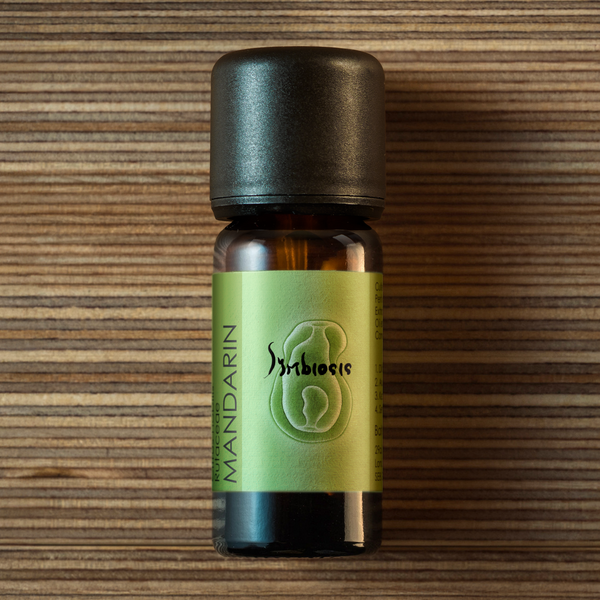
Mandarin | Citrus nobilis
Size: 10mL
Country of origin: ITALY
Botanical family: RUTACEAE
Extracted from: FRUIT PEEL
Extration method: COLD PRESSED
Note: TOP
Blends well with:
Cinnamon Leaf — Adds warm spice that makes the sweetness more festive and celebratory. The blend becomes more holiday-appropriate, more about gathering than everyday cheerfulness. → Kinship
Vanilla — Deepens the natural sweetness into something even more comforting and cozy. The blend becomes about pure comfort—edible, embracing, uncomplicated. → Kinship
Bergamot — Combines two citrus oils into something more sophisticated while keeping the sweetness. The blend becomes more elegant, more adult while staying gentle. → Kinship
Lavender — Softens the citrus with floral calm, making it perfect for children's bedtime routines. The blend becomes more about gentle rest than about cheerfulness. → Restoration
Shelf life: Keep in a cool, dark place in a tightly sealed amber/black bottle. 1 year
Precautions: Store properly; oxidizes quickly.
Sweet, soft, and gently citrus—like peeling a mandarin orange and releasing that delicate, almost honeyed scent that's much gentler than lemon or lime, less sharp than grapefruit. The opening is bright but not aggressive, with a candy-like sweetness that's natural rather than artificial, hints of floral notes and a subtle green freshness from the peel. There's very little bitterness or tartness; instead, it's predominantly sweet and round, with a warmth that feels comforting rather than stimulating.
As it develops, you notice subtle vanilla-like undertones and a soft, powdery quality that makes it feel almost edible, approachable in a way that sharper citrus oils aren't. The scent is cheerful without being demanding—it brightens gently rather than jolts, lifts mood without pushing. It smells like childhood and holidays, like fruit in a stocking, like the kind of sweetness that's allowed to be simple and uncomplicated. There's an innocence to it, a lack of edge or complexity that makes it universally likeable.
Mandarin is the person who's genuinely sweet without any hidden agenda, who brings lightness and cheer to situations without needing to be the center of attention. They're easy to be around because they don't create complications or demand intensity—they're simply pleasant company.
There's a childlike quality to their optimism that isn't naivety but rather a choice to focus on what's good rather than dwelling on what's difficult. They're the friend who remembers to celebrate small things, who brings treats to share, who makes ordinary moments feel a little more special through small gestures.
Conversation with them is easy and often playful; they laugh readily, they find joy in simple things, and they have a gift for making people feel lighter. You leave their company feeling more hopeful, like someone just reminded you that not everything has to be complicated or serious.
Color: Soft orange with golden undertones, like mandarin segments backlit by warm light. Pale peachy-coral, sunset colors that are warm without being intense—gentle, glowing, sweet.
Texture: The slight give of a ripe mandarin under gentle pressure, the fine mist of citrus spray, the softness of segments that separate easily. Smooth, yielding, no resistance—texture that invites rather than challenges.
Architecture & Interiors: Victorian and Edwardian children's nurseries and family breakfast rooms (1880s-1920s)—spaces designed for gentle morning light, family gathering, and the kind of comfort that doesn't require formality. Think English country house breakfast rooms with morning sun, nurseries with toy cupboards, or American Victorian family parlors used for casual meals.
Architecture: East or southeast-facing rooms to catch morning light, bay windows with cushioned window seats, painted woodwork in soft colors (cream, pale yellow, soft white), wallpaper with gentle patterns (florals, stripes, birds), carpeted floors to muffle sound and create warmth.
Interiors: Round or oval tables that encourage conversation without hierarchy, simple wooden chairs with cushions, sideboards displaying everyday china (often with citrus or floral patterns), children's drawings or watercolors framed simply on walls, fresh fruit in bowls as centerpieces.
Spaces where family meals happen without ceremony, where children are welcomed, where the goal is nourishment and connection rather than display—rooms that feel loved through use rather than preserved through restriction.
Sound: The gentle peel of citrus skin separating from fruit, children's laughter in the background, tea being poured into ceramic cups. The rustle of newspaper, the clink of spoons on bowls, conversation that's easy and unhurried.
Mandarin makes a space feel welcoming and gently cheerful—not demanding happiness but simply creating an atmosphere where lightness comes more easily. It's the scent of a breakfast nook where mornings feel hopeful rather than rushed, a living room where family gathers without needing special occasions, a child's room where play and rest both feel natural.
Some people use it when they want to create warmth without intensity, when they need something that lifts mood without pushing or stimulating, when the goal is simple contentment rather than transformation. It softens and sweetens. It creates an atmosphere where people naturally relax into being together, where small moments feel worth savoring, where joy doesn't need to be earned or justified.
For those building a Kinship bond with their home, Mandarin creates the sense that this space welcomes connection without requiring effort—that people can show up as they are, that gathering doesn't need to be formal or perfect, that the simple pleasure of being together in a pleasant space is enough.
For others, it supports Restoration in a gentle way: not through addressing what's wrong but through offering sweetness and light that make rest feel natural rather than necessary, like healing that happens simply because you're being held gently.
Remarks: The information provided on this website is for educational purposes only and may not be entirely accurate or complete. It is not intended to diagnose, treat, cure, or prevent any disease. Please note that the photos of the plants are intended to represent the typical appearance of each plant, but may vary based on location, growing conditions, and time of year. We recommend consulting with a healthcare professional before using any essential oils if you are pregnant or breastfeeding, or have any underlying health issues.
Related Products
-

-
-
Lemon | Citrus limonum
£8.00 -