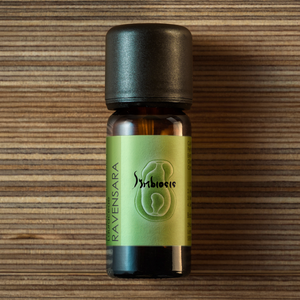



Myrrh | Commiphora myrrh 10mL
£18.00
Size: 10mL
Country of origin: SOMALIA
Botanical family: BURSERACEAE
Extracted from: RESIN
Extration method: STEAM DISTILLATION
Note: BASE
Blends well with:
Frankincense — Lifts heavy earthiness with bright resin, creating the classic sacred pairing. The blend reaches upward while staying serious, suggesting grief that includes hope without denying loss. → Restoration
Rose Otto — Softens bitter resin with precious floral depth, making grief feel less austere. The blend honors loss with tenderness. → Intimacy
Sandalwood — Grounds dark resin with creamy wood warmth, adding meditative quality without losing weight. The blend becomes more contemplative, suitable for the long work of carrying loss. → Intimacy
Patchouli — Deepens earthiness into something about roots, soil, decay as transformation. The blend becomes more about cycles of death and renewal. → Storage
Shelf life: Keep in a cool, dark place in a tightly sealed amber/black bottle. 4-6 years
Precautions: Avoid during pregnancy.
Deep, resinous, and ancient—myrrh smells as if tree sap, stone, and incense have been pressed together for centuries. The opening is warm and balsamic, with a medicinal edge that hints at both protection and foreboding. Smoky incense notes unfold alongside a mustiness reminiscent of air in sealed sanctuaries—suggesting preservation, not neglect.
Beneath the depth lies a trace of sweetness—vanilla and honey whispers, barely perceptible under myrrh’s characteristic dusty bitterness, like dark chocolate that leans audaciously toward cacao.
As the scent lingers, black pepper, clove, and dark woods add somber weight—deeper, more shadowed than frankincense’s bright resin. A leathery impression surfaces, evoking old books and animal-bound manuscripts. You smell ancient churches and rituals—the scent of anointing, healing, and preparing for endings.
Myrrh carries weight, as if compressed by time into its essence. Myrrh grounds and witnesses. Some may find solace—continuity and a thread to the distant past; others confront the honest trace of mortality, something that asks you to be present for what is difficult.
Myrrh is the person who's genuinely comfortable with difficult truths—death, loss, endings that most people reflexively avoid. They're not morbid; they're just honest that darkness is part of being alive, that some things can't be fixed, that witnessing is sometimes more valuable than problem-solving. They've sat with their own shadows long enough to stop fearing them. They're the friend who holds space for grief without trying to fix it, who doesn't fill silences with platitudes, who treats endings with the seriousness they deserve.
When someone experiences profound loss, they don't say "everything happens for a reason"—instead they say "this is terrible and I'm here" and then actually stay. They bring food you don't have to eat, sit without needing conversation, remember the anniversary when everyone else has moved on.
In conversation, they go to depths others avoid, and there's profound relief in that permission. You leave feeling more honest about the weight of things, less alone in carrying it.
Color: Deep amber-brown bleeding into burgundy and black, like ancient wood darkened by centuries of smoke. Flashes of old gold like Byzantine icons catching candlelight, but always muted, always seen through layers of shadow.
Texture: Sticky like resin before it hardens, the way tree sap catches on fingers. Dense like compressed earth, like sediment become stone. Heavy, grounding, almost tactile—substance that refuses to be light.
Architecture & Interiors: Coptic churches and Ethiopian Orthodox sanctuaries (4th century onwards)—ancient stone spaces where incense has been burned so continuously that walls have absorbed centuries of smoke and resin. Think Lalibela's rock-hewn churches, Coptic monasteries in Egypt's desert, Armenian churches in Jerusalem's Old City.
Architecture: Churches carved from bedrock or massive stone blocks, small deeply-recessed windows creating perpetual dimness, walls thick enough to hold centuries of scent, low doorways requiring bowed heads, floors worn smooth by countless feet, stone surfaces blackened by candle smoke.
Interiors: Icons darkened by smoke until faces are barely visible but somehow more present, hanging censers on chains, stone altars stained by generations of oil and wax, ancient textiles permanently scented with resin smoke, manuscripts in dead languages, reliquaries containing fragments of saints.
Spaces where time accumulates visibly, where the boundary between past and present feels permeable, where the stones themselves know how to hold grief.
Sound: The clink of censer chains, the crackle of resin on hot coals, chanting echoing in stone chambers. Deep, resonant tones you feel in your chest as much as hear. The shuffle of feet on ancient stone, the whisper of robes.
Myrrh makes a space feel like it can hold difficulty without transforming it into something easier. It's the scent of rooms where grief has its full weight, where endings aren't rushed toward new beginnings, where the past is honored rather than dismissed.
Some use it during profound loss or transition—after death, during difficult diagnoses, when life as you knew it has ended. It doesn't lighten; it witnesses.
For those building a Storage bond with their home, Myrrh creates the sense that this space holds what's precious precisely because it's been lost—that memory and grief coexist with daily life.
For others, it supports Restoration not by healing wounds but by helping you carry them with dignity—recovery that doesn't mean returning to who you were before, but becoming someone who has survived something that changed them.
Remarks: The information provided on this website is for educational purposes only and may not be entirely accurate or complete. It is not intended to diagnose, treat, cure, or prevent any disease. Please note that the photos of the plants are intended to represent the typical appearance of each plant, but may vary based on location, growing conditions, and time of year. We recommend consulting with a healthcare professional before using any essential oils if you are pregnant or breastfeeding, or have any underlying health issues.