


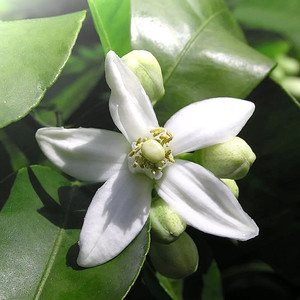

Petitgrain | Citrus aurantium
£11.50
Write a Review

Petitgrain | Citrus aurantium
Size: 10mL
Country of origin: ITALY
Botanical family: RUTACEAE
Extracted from: LEAVES & TWIGS
Extration method: STEAM DISTILLATION
Note: TOP/MIDDLE
Blends well with:
Lavender — Softens the green brightness into something more about restful clarity. The blend becomes less about freshness and more about gentle calm that doesn't put you to sleep. → Restoration
Sweet Orange — Amplifies the citrus while the petitgrain keeps it from being too sweet or simple. The blend becomes brighter, more explicitly cheerful and welcoming. → Stimulation
Cedarwood — Adds woody structure that grounds the leafy lightness. The blend becomes more substantial, less fleeting—good for defining spaces rather than just adding scent. → Storage
Geranium — Enriches the floral undertones while the petitgrain keeps it fresh rather than heavy. The blend becomes more about balanced harmony than pure cleanliness. → Kinship
Shelf life: Keep in a cool, dark place in a tightly sealed amber/black bottle. 2-3 years
Precautions: Dilute for sensitive skin. More Safety Information
Green and bright, like crushing orange leaves between your fingers—citrus without the fruit, just the sharp, slightly bitter freshness of the tree itself. There's a floral sweetness running through it, softer than neroli but more substantial than just leaf smell, with a faint woody-herbal base that keeps it from being purely light and insubstantial. The scent has a clean, almost soapy quality without actually smelling like soap—more like the smell of a well-scrubbed room where the windows have been open all day and fresh air has replaced stale.
Slightly tangy, pleasantly bitter, with enough sweetness to keep it from being astringent or harsh. It smells both energizing and calming at once, like morning air in a citrus grove before the heat settles in, when everything is still damp with dew and full of possibility.
Some find it the perfect balance of fresh and grounded, clean without being clinical. Others find it too middle-ground, neither interesting enough to be memorable nor simple enough to disappear—pleasant but forgettable.
Petitgrain is the person who makes things work smoothly without needing recognition for it. They're the one who tidies as they go, who remembers to open windows, who knows which drawer things belong in and actually returns them there.
There's a quiet competence to them—they're not flashy or attention-seeking, but everything runs better when they're around. They're equally comfortable hosting a casual gathering or working alone, adapting easily without losing themselves in either mode. They have good taste without being precious about it; they appreciate quality but aren't snobs about provenance or labels.
There's warmth there, but it's expressed through creating pleasant environments rather than emotional displays or declarations. They're the friend whose home always feels fresh and welcoming, not because they fuss or perform hospitality but because they pay attention to small things—light, air, the right amount of space between objects. You leave feeling like you've spent time somewhere intentional but unstudied, where care is present but not performed.
Color: Soft green with hints of pale yellow and beige—the color of unripe citrus or new leaves in spring light. Celadon, pistachio, the green-grey of sage, with touches of cream and butter-yellow. Colors that suggest freshness without brightness, vitality without aggression.
Texture: Linen that's been washed and line-dried, still slightly crisp but softened by sun and air. The smooth coolness of whitewashed walls or polished plaster. Fresh leaves that are neither waxy nor fuzzy, just clean plant matter. The feeling of a room after it's been cleaned but before anyone's lived in it again—everything reset, neutral, ready.
Architecture & Interiors: Mediterranean courtyard houses and Italian limonaia (lemon houses, 17th-18th century)—simple, functional structures designed around citrus cultivation and daily living. Think Italian agriturismos, Spanish cortijos, southern French bastides—architecture refined through generations of use rather than designed for impression.
Architecture: Whitewashed stucco walls reflecting heat and light, terracotta tile roofs and floors staying cool, arched doorways creating shade and breeze paths, interior courtyards with potted citrus trees, shuttered windows allowing cross-ventilation while blocking harsh sun, stone or tile floors easily swept clean.
Interiors: Minimal furniture in natural wood, ceramic vessels for storage, wrought iron simple and utilitarian, natural light softened by gauze curtains, herbs drying in bunches from ceiling beams, copper pots hanging within reach. Everything serves a purpose; beauty comes from proportion and cleanliness rather than decoration. Spaces that value practicality, airiness, the integration of productive gardens with living spaces—places designed for actual daily life in warm climates.
Sound: The rustle of leaves in a light breeze, shutters opening in the morning, ceramic tiles being swept clean. The quiet efficiency of domestic tasks done well—water running into a basin, a door closing softly, footsteps on stone. Sounds that suggest activity without urgency, care without fuss.
Petitgrain makes a space feel tended and ready without making a performance of it. Some people use it in rooms that serve multiple purposes—living areas that shift from work to socializing, kitchens that transition from cooking to gathering, entryways that set the tone for the rest of the home. It clears without being aggressive, freshens without being perfumed or artificial.
For those building a Kinship bond with their home, Petitgrain creates the sense that this space is prepared for others without being precious about it—that hospitality here means comfort and ease rather than impression or performance.
For others, it supports Productivity by making a space feel clean and organized enough to think clearly, fresh enough to start new tasks without the weight of what came before lingering in the air.
Remarks: The information provided on this website is for educational purposes only and may not be entirely accurate or complete. It is not intended to diagnose, treat, cure, or prevent any disease. Please note that the photos of the plants are intended to represent the typical appearance of each plant, but may vary based on location, growing conditions, and time of year. We recommend consulting with a healthcare professional before using any essential oils if you are pregnant or breastfeeding, or have any underlying health issues.
Related Products
-

-
-
-
Lemon | Citrus limonum
£8.00


