

Rosemary | Rosmarinus officinalis 10mL
£10.00
Size: 10mL
Country of origin: TUNISIA
Botanical family: LAMIACEAE
Extracted from: HERBS
Extration method: STEAM DISTILLATION
Note: MIDDLE
Blends well with:
Lemon — Brightens the herbal sharpness with citrus lift, making it more about energizing clarity than penetrating focus. The blend becomes lighter, more morning than afternoon. → Productivity
Black Pepper — Adds warm spice that deepens the herbal into something more stimulating and circulatory. The blend becomes more about physical energy than mental clarity. → Stimulation
Frankincense — Softens the sharpness with resinous calm, balancing herbal edges with grounded serenity. The blend becomes more about sustained focus than sharp alertness. → Restoration
Cedarwood — Grounds the bright herb with woody depth, making it less about immediate clarity and more about steady, reliable structure. The blend becomes more anchoring. → Storage
Shelf life: Keep in a cool, dark place in a tightly sealed amber/black bottle. 2-3 years
Precautions: Rosemary (CT Cineole): Avoid if epileptic or hypertensive.
Sharp, herbaceous, and immediately recognizable—the smell of crushing fresh rosemary between your fingers, but concentrated and intensified. There's a piercing camphoraceous quality, almost medicinal, that clears the head instantly and without asking permission. Underneath the initial sharpness, there's a warm, slightly woody sweetness and a faint bitterness, like the smell of dried herbs in a Mediterranean hillside kitchen where they've been hanging for months. Fresh and green, but also dusty and ancient at once.
The scent has edges—it's not soft or rounded, but crisp and defined, like the needle-like leaves themselves. It smells both culinary and wild, familiar from cooking but also suggesting sun-baked stone, scrubby coastal vegetation, and the particular clarity of air in places where rosemary grows as a weed rather than a cultivated garden herb.
Some find it invigorating and clarifying, the scent of alertness itself. Others find it too sharp, too insistent, too reminiscent of being told to pay attention when you'd rather drift.
Rosemary is the person who keeps their head clear when everyone else is getting foggy. They're sharp without being unkind, direct without being blunt. There's a practical intelligence to them—they cut through confusion by asking the right question, remember what matters, stay focused when distractions multiply.
They're not particularly warm or empathetic, but they're reliable in ways that matter more: they remember commitments, follow through, notice when things aren't working and say so plainly. They have strong opinions about doing things properly—not perfectionism exactly, but a belief that if something's worth doing, it's worth doing with attention and care.
They're the friend who helps you study for exams, who proofreads your resume with honest feedback, who tells you when your plan has an obvious flaw everyone else is too polite to mention. They can be a bit intense, a bit uncompromising, but when your own thinking has gone soft or sentimental, they help you remember what you actually know. You leave feeling more alert, like someone turned up the brightness on a screen you'd gotten used to being dim.
Color: Deep green verging on grey-green, like rosemary leaves themselves—silvery-green, sage-green, with flashes of brighter emerald where new growth appears. Dusty Mediterranean colors: terracotta, pale stone, the blue-grey of distant hills under strong sun.
Texture: The slight prickliness of rosemary needles, rough and textured against skin. Sun-warmed stone, dry earth, the feeling of herbs crushed between fingers releasing oil. Linen that's been starched and pressed—structured, with a slight resistance before it yields.
Architecture & Interiors: Mediterranean hill villages and coastal farmhouses—ancient stone buildings adapted over centuries for cooking and practical living. Think Greek island houses, Italian masseria, Spanish cortijos—architecture where rosemary grows outside the kitchen door because of course it does.
Architecture: Thick stone walls for thermal mass keeping interiors cool, small windows to limit heat, terracotta tile roofs, outdoor cooking areas with built-in grills, herb gardens growing in rocky soil with minimal water, stone paths worn smooth by use.
Interiors: Whitewashed plaster walls reflecting light and heat, exposed wooden beams darkened by cooking smoke over decades, stone floors worn smooth by generations, open shelving displaying everyday dishes, bunches of herbs drying from rafters, copper pots hanging near hearths, wooden cutting boards scarred from use. Everything functional, nothing decorative that doesn't serve daily life. Spaces where rosemary's scent mixes with bread baking and olive oil heating, where the kitchen is the center of the house because feeding people is serious work.
Sound: The sharp chop of a knife on a cutting board, the sizzle of herbs hitting hot oil, clay pots clicking against stone counters. The sound of focused work—rhythmic, purposeful, no wasted motion.
Rosemary makes a space feel alert and purposeful. Some people use it in rooms where mental clarity is essential: kitchens where cooking requires attention to timing and technique, studies where focused work needs to happen despite fatigue, bathrooms during morning routines when waking up is non-negotiable. It doesn't comfort or inspire; it sharpens.
For those building a Productivity bond with their home, Rosemary creates the sense that this space supports clear thinking—that confusion doesn't live here, that mental fog can be dispelled through scent and intention, that focus is available when needed rather than constantly elusive.
For others, it supports Storage in a particular way: by making spaces feel organized not through physical tidying but through mental clarity about what belongs and what doesn't, what matters and what's clutter.
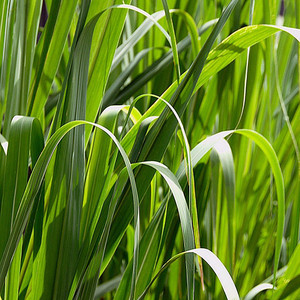
Remarks: The information provided on this website is for educational purposes only and may not be entirely accurate or complete. It is not intended to diagnose, treat, cure, or prevent any disease. Please note that the photos of the plants are intended to represent the typical appearance of each plant, but may vary based on location, growing conditions, and time of year. We recommend consulting with a healthcare professional before using any essential oils if you are pregnant or breastfeeding, or have any underlying health issues.