

Rosemary | Rosmarinus officinalis 10mL
£10.00
Size: 10mL
Country of origin: TUNISIA
Botanical family: LAMIACEAE
Extracted from: HERBS
Extration method: STEAM DISTILLATION
Note: MIDDLE
Blends well with:
Peppermint: Amplifies the mental clarity into something colder and more immediately physiologically active, the menthol adding a cold edge to the camphor's warm sharpness. A workspace where the situation is acute. → Productivity
Lemon: Brightens the sharp top with a citrus freshness, the citral of lemon meeting rosemary's cineole to produce a blend that is both clarifying and lighter than rosemary alone. A kitchen in the morning. → Productivity
Frankincense: Grounds the sharp camphoraceous top into something slower and more deliberate, the resinous dry quality of the frankincense giving the blend a structural base and a quality of considered stillness alongside the rosemary's alertness. → Productivity
Eucalyptus radiata: Deepens the cineole quality, the two oils reinforcing each other's airway-clearing brightness while the eucalyptus's limonene moderates the camphor's warmth into something more open and less insistent. → Restoration
Lavender 50/52: Softens the sharp camphoraceous edge into something with more domestic warmth, the linalyl acetate bridge carrying the blend toward a workspace that can hold both clarity and ease. → Productivity
Shelf life: Keep in a cool, dark place in a tightly sealed amber or black bottle. Best used within 2 to 3 years.
Precautions: Dilute before skin application. Avoid with epilepsy or seizure disorders. Keep away from the face of infants and young children. Not for internal use.
The opening is sharp and camphoraceous: the cineole and camphor arriving simultaneously, the head clearing before the identification is complete. There is a green brightness underneath from the alpha-pinene, the freshness of the needle rather than the distilled spice. As the heart develops, a warm woody sweetness emerges, the character of dried herbs hanging in a kitchen for months rather than fresh leaves crushed at the moment of use. The dry-down is warm and slightly dusty, the sharpness resolved into something quieter but not absent, the bitterness of the plant persistent as an undertone. Lavender 50/52 shares the camphoraceous family but its floral heart moderates the sharpness into something more domestic; rosemary keeps the edge throughout, maintaining the quality of alertness even as the top fades. Eucalyptus radiata takes the cineole and softens it with citrus; rosemary takes the same chemistry and leaves the camphor to do its work unmodified.
Rosemary is the person who keeps their head clear when everyone else's has gone soft. The directness is not unkind; it is simply the quality of someone who has strong opinions about doing things properly and has found that imprecision creates more problems than the momentary discomfort of accuracy. They cut through confusion by asking the right question rather than offering the comfortable answer. They remember commitments, notice when things are not working, and say so plainly. They are the friend who proofreads your reasoning rather than your document, who points out the obvious flaw everyone else is too polite to name. You leave feeling more alert, the specific alertness of having been reminded what you actually know rather than what you had been telling yourself.
Colour:
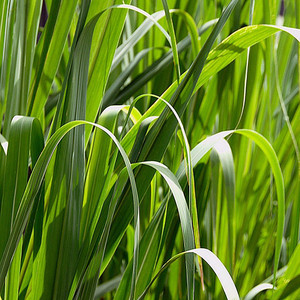
The colour is deep silvery-green, the colour of rosemary leaves in strong Mediterranean sun: not the soft celadon of geranium or the bright yellow-green of lemongrass, but a grey-green with a dusty quality, the colour of a plant that has adapted to dry heat and reflects light from its leaf surfaces as a survival mechanism. There is a flash of brighter emerald where new growth appears, brief and soon resolved into the same dusty grey-green as the rest. The palette is warm in tone despite its coolness in saturation: terracotta and pale stone in the background, the blue-grey of distant hills, the particular bleached-out quality of strong Mediterranean light.
Texture:
In the air it has the slight prickliness of rosemary needles held in the palm: not painful, but with edges, a texture that makes itself known rather than simply being present. The camphoraceous quality adds a dry roughness, the sensation of linen that has been starched and pressed, structured and with resistance before it yields. As the heart warms, the texture shifts toward sun-warmed stone: still dry, still defined, but with a warmth absorbed from prolonged exposure to something consistent and reliable.
Architecture:
The plan is thick-walled and outdoor-adjacent: stone construction with an outdoor cooking area integrated into the building's mass, the hearth or grill built into the exterior wall so that cooking happens in the transition between inside and outside. The walls are terracotta-tiled above, stone-floored below, the materials continuous from interior to exterior without a material change at the threshold. Small windows limit heat; the interior is always cooler than the outdoor air and the contrast is the point. Herb gardens grow in rocky soil near the kitchen door, within arm's reach of whoever is working. The body moves from the kitchen to the outdoor cooking area without a threshold event, the architecture treating the two spaces as continuous. Rosemary runs as a sharp herbaceous current through the warm air of this transition zone, the scent the stone walls hold in the heat of the day and release in the cooler evening, a quality of the building's specific climate rather than of anything added to it.
Interior:
Whitewashed plaster walls at a pale warmth, the surface slightly irregular from hand application, the texture visible at an angle to the light. Exposed wooden beams darkened by decades of cooking smoke, the timber carrying the colour of accumulated heat rather than of stain or varnish. Open shelving displaying everyday dishes without arrangement, the position of each object the result of regular use rather than of composition. Bunches of dried herbs hanging from a rafter hook, their fragrance released when the air warms in the afternoon. A wooden cutting board on the worktop, its surface deeply scarred from use, the cuts visible as a record of every preparation session. The hand reaches for the rosemary bundle, crushes a sprig briefly, replaces it. The patina here is entirely of work and of the warmth that work in a Mediterranean kitchen generates: the plaster at hand height carrying the mark of leaned forearms, the stone floor darker in the centre of the most-used path. The scent gives the room its quality of purposeful alertness, the sharp camphoraceous current along the worktop and the dried herb bundles that makes cooking in this space feel like work worth taking seriously.
Sound:
The sharp chop of a knife on a wooden board, rhythmic and purposeful: not the single clean strike of lemon's knife cut but a series of them, each one landing with the same intention, the rhythm of someone who knows what they are doing and is doing it with full attention. Underneath, the sizzle of herbs hitting hot oil, the clay pot set down on the stone counter. The acoustic is hard and functional, stone and tile, the sounds of a kitchen that is working. Where fennel sweet is the irregular simmer of a pot being maintained, rosemary is the knife moving through the preparation with a clarity that does not waste time on anything that is not the work.
Productivity:
Rosemary in a study, a kitchen where timing and technique matter, or a workspace where focus has been elusive creates the quality of a room that does not accommodate mental softness. The camphor sharpens; the cineole clarifies; the combination removes the particular fog of having been in the same mental state for too long and needing something to change the register. This is Productivity as the return of the capacity for sharp thought rather than as the generation of energy: the room does not provide motivation, it removes the specific impediment to the focus that was always available.
Storage:
Rosemary's Storage register is the mental version: the clarity about what belongs and what does not, what is worth keeping and what has been retained through inertia rather than genuine value. In a study or a room where decisions are made about what to keep, the sharpness of the camphoraceous top makes the comfortable compromise feel less comfortable, the obvious answer more obvious. This is not the sentimental storage of myrrh or the fortified storage of clove; it is the unsentimental assessment of what actually deserves its place.
Remarks: The information provided on this website is for educational purposes only and may not be entirely accurate or complete. It is not intended to diagnose, treat, cure, or prevent any disease. Please note that the photos of the plants are intended to represent the typical appearance of each plant, but may vary based on location, growing conditions, and time of year. We recommend consulting with a healthcare professional before using any essential oils if you are pregnant or breastfeeding, or have any underlying health issues.