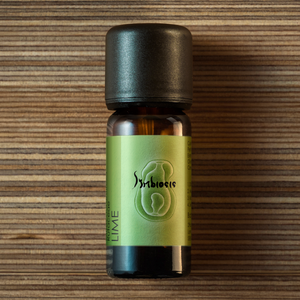



Citronella | Cymbopogon nardus 10mL
£9.00
Size: 10mL
Country of origin: INDONESIA
Botanical family: POACEAE
Extracted from: LEAVES
Extration method: STEAM DISTILLATION
Note: TOP
Blends well with:
Lemongrass: Sharpens the citrus register into something cleaner and more refined, the citral of lemongrass lifting citronella's rougher edges toward a brighter, less medicinal top. An outdoor room or a kitchen in summer. → Stimulation
Geranium: Warms the rosy-green quality already present in citronella's heart, the two oils meeting at their shared geraniol territory to produce something less utilitarian and more considered. → Kinship
Eucalyptus: Amplifies the camphoraceous quality, pushing the blend firmly into the functional-medicinal register. A utility space or a room that needs clearing rather than decorating. → Storage
Peppermint: Cools the citrus sharpness into something more directional and precise, the menthol adding a clean edge that makes the blend feel active rather than simply fresh. A workspace in warm weather. → Productivity
Cedarwood: Grounds the volatile top into something with more structural weight, the woody base extending the blend's presence well past citronella's natural dry-down. An outdoor space at the transition from afternoon to evening. → Storage
Shelf life: Keep in a cool, dark place in a tightly sealed amber or black bottle. Best used within 2 to 3 years.
Precautions: Dilute before skin application. Avoid during pregnancy and while breastfeeding. Avoid use near the eyes or mucous membranes. Not for internal use.
The opening does not ask permission: lemon peel crushed with the bitter white pith still attached, cut grass, a camphoraceous brightness underneath that signals function rather than decoration. This is not the refined citrus of a perfumer's brief; it is the smell of something doing a job. As it moves into its heart, geraniol softens the edge, a faint rosy-green quality entering without sweetening it, the sharpness pulling back into something more herbaceous. The dry-down is quiet and woody, the aggressive opening long gone, a functional base that holds without insisting. Lemongrass shares the citrus-green family but stays refined and culinary where citronella turns medicinal and blunt; the camphoraceous quality is what marks the boundary between them.
Citronella is the person who tells you what the situation actually is. Not unkindly, but without the softening that would make the truth easier to receive and slightly less accurate. They are direct in the way that useful things are direct: a tool designed for a specific purpose does not apologise for its shape. There is no performance of warmth, no effort to be found charming, and a genuine indifference to whether the room finds them pleasant. What they offer instead is competence and the particular reliability of someone who does not overclaim. You leave their company either grateful or slightly abraded, depending on what you came looking for.
Colour:
The colour is sharp citrine yellow-green, the colour of lemon zest before the oil has been expressed from it, bright and slightly waxy at the surface. There is a pale grey-green underneath, the colour of crushed grass releasing moisture, cooler and less saturated than the citrine above it. The palette has no warmth in it; these are colours that belong to daylight and function, not to lamplight or ease.
Texture:
In the air it has the slight sting of citrus oil on a small cut: not painful, but registering, making the boundary between air and skin briefly legible. The camphoraceous quality adds a coolness, a sensation of the air thinning slightly around the edges of the scent. There is a waxy resistance in the opening, the texture of thick citrus peel before it yields, and then the heart softens into something smoother without losing the lean quality entirely.
Architecture:
The plan is open and cross-ventilated: a deep covered veranda running the full width of the building, the roof overhang calculated for shade rather than enclosure, the structure elevated slightly from the ground for airflow. The walls are louvred or screened rather than solid, the aperture strategy about managing what comes through rather than keeping the outside out entirely. Daylight is bright and indirect, filtered through the overhang, the interior in permanent half-shadow while the garden beyond is fully lit. The body moves to the threshold, pauses at the screen door, pushes through into the veranda where the air moves. Citronella runs as a sharp green perimeter along the outer edge of this space, the line the designer draws between human occupation and everything beyond it.
Interior:
The furniture is rattan or painted wood, the surfaces showing no patina of accumulation, only the clean wear of things regularly wiped down and dried. Fabric is minimal: a thin cotton cushion, a mosquito net folded back against the wall, a cloth draped over a chair back for the cool of the evening. The floor is terracotta tile, easy to sweep, holding the coolness of the shade. The hand sets a glass down on the arm of the chair, lifts it again; nothing here invites lingering in the way of plush materials and warm light. The scent gives the space its quality of defended ease, the sharp green charge along the screen edge that makes sitting outside after dark feel claimed rather than exposed.
Sound:
The oscillating hum of a ceiling fan at its middle setting: not fast enough to create noise, slow enough that the rhythm is audible, a sound that measures the heat of the room without addressing it. Underneath, the distant sound of insects beyond the screen, present but at a remove. Where cinnamon leaf is the sound of a radiator in a room full of people, citronella is the fan in a room that has been made habitable by intention and is being held that way.
Stimulation:
Citronella's stimulation is environmental rather than social. The sharp citrus-green opening raises alertness by making the boundary between inside and outside perceptible: the air sharpens, the room's edges become clearer, the sense of being in a specific place rather than simply somewhere increases. In a home workspace near an open window, or in a transitional space between garden and interior, it creates the quality of being usefully awake, present to the actual conditions of the space rather than habituated to them.
Storage:
Storage in the Self-Place Bond framework is the home's capacity to protect and maintain what it holds. Citronella in a utility room, a mudroom, or a garden-adjacent space gives those areas a quality of defended readiness: the scent signals that this space has been prepared, that its boundaries have been considered, that it is maintained rather than merely used. It is not sentimental about its function. It simply makes the room feel like it is doing its job.
Remarks: The information provided on this website is for educational purposes only and may not be entirely accurate or complete. It is not intended to diagnose, treat, cure, or prevent any disease. Please note that the photos of the plants are intended to represent the typical appearance of each plant, but may vary based on location, growing conditions, and time of year. We recommend consulting with a healthcare professional before using any essential oils if you are pregnant or breastfeeding, or have any underlying health issues.