

Lemongrass | Cymbopogon citratus 10mL
£8.00
Size: 10mL
Country of origin: INDIA
Botanical family: POACEAE
Extracted from: LEAVES
Extration method: STEAM DISTILLATION
Note: TOP
Blends well with:
Ginger — Combines two sharp, warming aromatics into something even more stimulating. The blend is overtly energizing—not for people seeking subtlety. → Stimulation
Eucalyptus — Adds camphoraceous brightness that makes the citrus-green even more clarifying. The blend becomes more medicinal, more about clearing than refreshing. → Restoration
Lime — Amplifies the citrus sharpness into something almost aggressive. The blend is bright to the point of being challenging—pure activation. → Stimulation
Cedarwood — Grounds the sharp green with woody warmth, making it more tolerable indoors. The blend becomes less aggressive while keeping its protective quality. → Storage
Shelf life: Keep in a cool, dark place in a tightly sealed amber/black bottle. 1-2 years
Precautions: Dilute adequately to prevent irritation.
Sharp, bright, and intensely lemony—but greener and more herbaceous than actual lemon, with a grassy, almost cutting quality that's more blade than fruit. The opening is piercing and citrus-forward, with an aggressive freshness that clears the sinuses immediately and demands attention. There's a slight sweetness underneath, but it's quickly overtaken by that green, stalky sharpness—the smell of lemongrass stems crushed or chopped, releasing oils that are both refreshing and almost painfully bright.
As it develops, you notice earthy undertones, hints of ginger and pepper, something slightly soapy or aldehydic that some people find invigorating and others find too harsh. The scent is clean in an uncompromising way, the kind of clean that doesn't accommodate or soften. It smells like Thai and Vietnamese cooking, like outdoor markets in hot climates, like insect repellent that works because it's strong enough to be slightly unpleasant. There's no subtlety to it—it announces itself loudly, stays present, and doesn't fade politely into the background.
Lemongrass is the person who has no patience for ambiguity or half-measures, who believes that if something needs doing it needs doing decisively. They're not unkind, but they're not gentle either—they see clarity as more important than comfort, and they won't soften truths just because hearing them might be difficult.
They're the friend who tells you to stop complaining and make a decision, who has little sympathy for self-created problems, who genuinely believes most issues would resolve if people would just be direct and stop circling around things.
Conversation with them moves quickly and can feel abrupt; they don't do subtle hints or reading between lines, they say what they mean and expect you to do the same. You leave their company feeling either energized by their clarity or slightly bruised by their refusal to cushion anything.
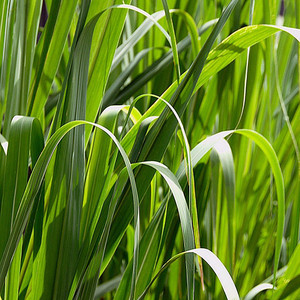
Color: Bright yellow-green like fresh lemongrass stalks in harsh sunlight. Sharp, almost neon in its intensity—no softness or fading, just aggressive brightness.
Texture: The sharp edge of grass that can cut if you're not careful, the slight oiliness of plant sap on fingers, the sting of citrus on skin. Penetrating, activating, slightly uncomfortable.
Architecture & Interiors: Southeast Asian open-air kitchens and market food stalls (traditional and contemporary)—working spaces in hot, humid climates where powerful scents are functional (masking, preserving, repelling insects) and where nothing is precious or delicate. Think Thai street food kitchens, Vietnamese market cooking areas, or Indonesian warung.
Architecture: Open on multiple sides for maximum airflow, minimal walls to trap heat or moisture, corrugated metal or tile roofs, raised floors or platforms to avoid flooding and pests, everything designed for easy washing down.
Interiors: Stainless steel or tile surfaces that can handle heat and acids, open flames for cooking, minimal storage (fresh ingredients used same-day), bundles of lemongrass, galangal, and other aromatics piled near prep areas, the smell of fish sauce, chili, and citrus always present and intense. Plastic stools and tables that can be hosed down, exposed wiring and plumbing because aesthetics are secondary to function, fans moving hot air around without actually cooling it.
Spaces where the heat and humidity are intense, where scents are powerful because they have to compete with each other and with the environment, where nothing is designed for comfort or beauty—only for getting food made and served quickly in challenging conditions.
Sound: The rapid chop of a cleaver through lemongrass and aromatics, the sizzle of ingredients hitting hot oil, the clang of metal utensils against woks. Loud, efficient, constant activity—no quiet, no space for contemplation.
Lemongrass makes a space feel activated and defended—not gently protected but aggressively cleared, like drawing a bright line around what's yours and making sure nothing crosses it unchallenged. It's the scent of a kitchen where cooking is vigorous and aromatic, an entryway that establishes boundaries immediately, a workspace where focus is sharpened through intensity rather than through quiet.
Some people use it when gentler scents aren't strong enough, when they need something that will actually cut through mental fog or physical sluggishness rather than politely suggesting you might want to wake up. It doesn't accommodate or comfort; it activates. It creates an atmosphere where complacency feels impossible, where the air itself insists you pay attention and engage.
For those building a Stimulation bond with their home, Lemongrass creates the sense that this space will meet your energy rather than dampen it—that intensity is welcomed here, that you don't have to tone yourself down, that sometimes what's needed is something strong enough to match what you're facing.
For others, it supports Storage in an unexpected way: by establishing such clear boundaries through scent that what's outside stays outside—insects, staleness, the accumulated smell of daily life that needs to be cleared rather than managed.
Remarks: The information provided on this website is for educational purposes only and may not be entirely accurate or complete. It is not intended to diagnose, treat, cure, or prevent any disease. Please note that the photos of the plants are intended to represent the typical appearance of each plant, but may vary based on location, growing conditions, and time of year. We recommend consulting with a healthcare professional before using any essential oils if you are pregnant or breastfeeding, or have any underlying health issues.