

Neroli | Citrus aurantium 5mL
£60.00
Write a Review
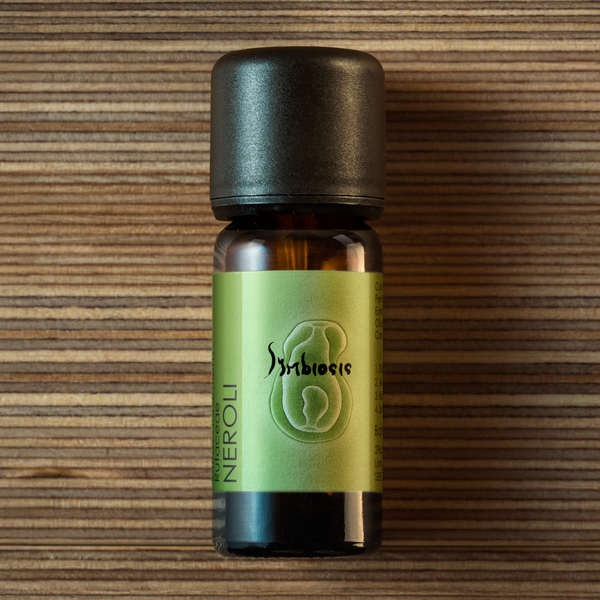
Neroli | Citrus aurantium 5mL
Size: 5mL
Country of origin: EGYPT
Botanical family: RUTACEAE
Extracted from: BLOSSOMS
Extration method: STEAM DISTILLATION
Note: MIDDLE
Blends well with:
Petitgrain — Sharpens the green, citrus-leaf brightness while keeping the floral core. The blend becomes more about clear-headed joy, less about elegance—morning rather than afternoon. → Productivity
Jasmine — Deepens the floral indolic richness into something more sensual and night-blooming. The blend becomes about intimacy that's both refined and physical. → Intimacy
Mandarin — Amplifies the sweet, playful citrus without losing sophistication. The blend becomes lighter, more about joyful connection than cultivated grace. → Kinship
Frankincense — Grounds the brightness with resinous depth, adding ceremony without losing freshness. The blend becomes about rituals that feel sacred but not solemn. → Restoration
Shelf life: Keep in a cool, dark place in a tightly sealed amber/black bottle. 2-3 years
Precautions: Precious and concentrated; dilute and use sparingly.
Bright citrus that immediately softens into something more complex—not just orange peel, but the white flowers hidden inside the tree. There's a sharp, almost metallic green note at first, like biting into an unripe fruit, then it opens into honeyed floral sweetness with a bitter edge that keeps it from becoming cloying.
Underneath, there's a faint indolic richness—the smell of skin warmed by sun, or silk that's absorbed perfume over time. It's simultaneously fresh and aged, innocent and knowing, like a young person who's already lived through something significant. There's a creamy, slightly waxy quality like orange blossom water that's been mixed with oil and separated in the bottle.
The scent hovers between categories—is it citrus or floral? Fresh or mature? Clean or sensual? The answer is somehow all of these at once. It smells like weddings and breakfasts, like expensive lingerie and Sunday mornings, like formal gardens where you're allowed to take off your shoes.
Some find it the perfect balance of brightness and depth, energy and calm. Others find it too polished, too reminiscent of classic perfumery, unable to commit to being either refreshing or romantic.
Neroli is the person who lights up when they see you, but it's not performance—it's genuine delight at connection. They have this rare combination of confidence and vulnerability, secure enough to be fully present without agenda or self-consciousness. There's elegance to them, but it's effortless rather than studied—they're as comfortable in formal settings as they are laughing too loud at dinner with close friends.
They notice things: the shift in your voice when something matters, the moment a conversation becomes real instead of polite, when someone needs the group's energy lifted or when they need quiet acknowledgment. They're not afraid of intensity, but they also know when to be light. They can hold both celebration and sorrow without diminishing either.
Time with them feels both energizing and settling, like you've been reminded that life can be playful and profound at once, that grace and spontaneity aren't opposites. You leave feeling more yourself—not because they fixed anything, but because they made space for all of who you are.
Color: Pale gold verging on champagne, bright lemon-yellow diluted with cream, the particular orange-pink of dawn light on white stucco. Hints of celadon green where citrus meets leaf, and that iridescent quality of silk taffeta shifting between butter-yellow and pale apricot depending on the light.
Texture: Cool silk ribbon sliding between fingers, then warming to body temperature. The waxy smoothness of orange blossom petals before they brown, or the feeling of running your hand along well-made linen still warm from ironing. There's a slight tackiness underneath—like touching skin after applying oil, not quite dry.
Architecture & Interiors: Belle Époque orangeries and glass conservatories (1890s-1910s)—elegant structures where wrought iron painted white frames enormous windows, allowing light to flood marble floors and potted citrus trees. Think Parisian glass pavilions, Victorian palmhouses, Mediterranean winter gardens where wealthy families took breakfast surrounded by blooming orange trees.
Architecture: Curved glass ceilings maximizing natural light, ornate but delicate ironwork painted cream or white, French doors opening to manicured gardens, interior fountains with mosaic tilework, checkerboard marble floors that stay cool.
Interiors: White wicker furniture with silk cushions in pale citrus shades, potted orange and lemon trees in glazed ceramic containers, brass plant misters on marble-topped tables, fresh flowers arranged in crystal vases, white linen curtains filtering morning light. Spaces designed for leisurely mornings, intimate gatherings, the kind of luxury that feels airy rather than heavy—refinement without stuffiness, cultivation without contrivance.
Sound: A string quartet playing baroque music—technically precise but emotionally generous, with bright violins carrying melody over deeper cello warmth. Underneath, the distant sound of fountain water and birds in an enclosed garden, creating cultivated natural beauty.
Neroli elevates a room without making it formal—it adds grace without demanding reverence. Some people use it in spaces where they want to feel both energized and at ease: a dressing room where getting ready becomes ritual rather than chore, a dining area where meals matter enough to set the table properly, a workspace where creativity needs both structure and freedom. It doesn't sedate or push; it clarifies.
For those building a Kinship bond with their home, Neroli creates the sense that this space is ready for others—not performing hospitality, but genuinely glad to be shared. It makes a home feel welcoming without anxiety, prepared without stiffness.
For others, it supports Productivity by making focused work feel less like discipline and more like being in your element, where effort and ease somehow coexist, where you can be both serious about your work and light in your approach to it.
Remarks: The information provided on this website is for educational purposes only and may not be entirely accurate or complete. It is not intended to diagnose, treat, cure, or prevent any disease. Please note that the photos of the plants are intended to represent the typical appearance of each plant, but may vary based on location, growing conditions, and time of year. We recommend consulting with a healthcare professional before using any essential oils if you are pregnant or breastfeeding, or have any underlying health issues.
Related Products
-

-
-
Myrrh | Commiphora myrrh 5mL
£18.00 -